
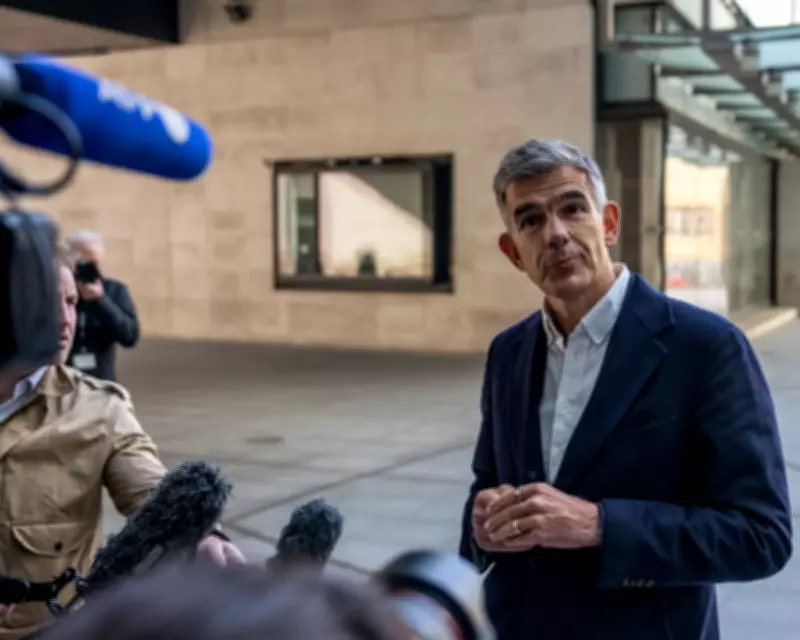
Matt Brittin has taken the helm of the BBC as its new director general, but the road ahead is fraught with challenges. On his first day, he emphasized the need for 'velocity,' using the word twice in an all-staff email and invoking World War II to call for urgency. His message, as the former head of Google in Europe, can be summed up as 'move fast but break nothing,' a departure from Silicon Valley's 'move fast and break things' mantra.
Cost-Cutting Priorities
Brittin's focus is on cutting costs. The BBC announced a £600 million cost-cutting plan in April, with up to 2,000 job cuts—one in ten of the workforce. On his first day, he walked past striking journalists protesting previous cuts to the World Service and radio news. Governments have slashed the licence fee since 2010, reducing the BBC's real-terms income by up to 30%.
Three Key Priorities
Brittin outlined three priorities: making the strongest case for the BBC's survival with the government, speeding up decision-making, and achieving 'editorial excellence.' The hardest cuts are expected in news, which could undermine the BBC's reputation for hard-hitting journalism. Mark Urban, a BBC veteran of 34 years, warned that constant cuts have made the newsroom more risk-averse.
Editorial Challenges
Brittin's lack of editorial experience is a concern. He plans to appoint a deputy but remains editor-in-chief. Richard Sambrook, former director of BBC News, said this should not matter if lines of responsibility are clear. Recent controversies, including Huw Edwards and the Trump speech edit, highlight editorial missteps.
Technological Focus
Brittin's Google background suggests a keen interest in technology. He visited the BBC's Blue Room, which works on AI, trust, and verification. Bill Thompson, principal R&D engineer, described the BBC as a mechanism to improve lives through technology.
Future Reinvention
Brittin is spending his first week with a videographer to capture his messaging. He must convince not only licence-fee payers but also a cash-strapped government. One key question he is asking: what would the BBC look like if invented today? Its survival depends on reinvention.




