
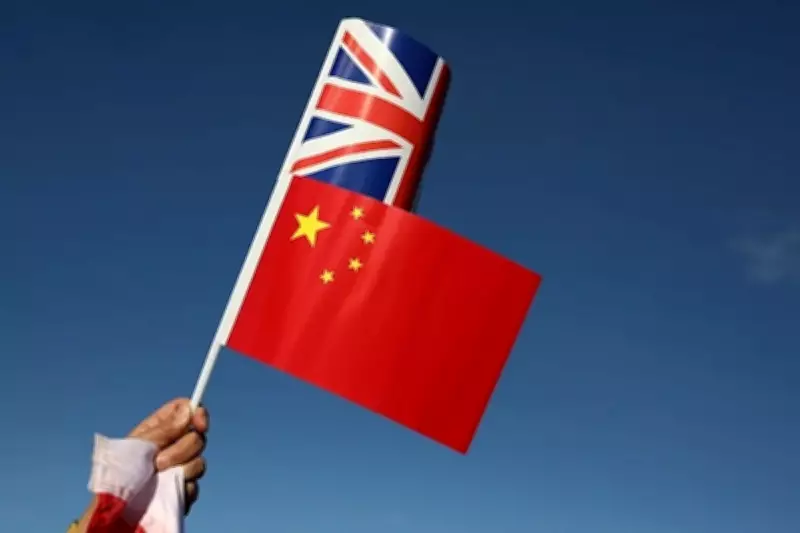
A senior Labour minister has delivered a robust rebuttal to former US President Donald Trump's recent criticism of UK-China trade relations, branding the warnings as "absolutely bonkers" and economically misguided.
Minister Defends Strategic Engagement with Beijing
Sir Chris Bryant, who has served as Trade Minister since September 2025, directly challenged Trump's assertion that trading with China represents a "very dangerous" path for the United Kingdom. Speaking to Sky News on Friday morning, Bryant emphasised the necessity of maintaining commercial ties with the world's second-largest economy.
"You have to challenge China on the issues where we disagree with them, but you have to face the fact that China is a major power in the world," Bryant stated, highlighting China's position as the fourth largest export market globally. "It would be absolutely bonkers for the UK not to engage with China," he added, pointing to the fundamental economic realities facing British businesses.
Trump's Warning and Diplomatic Context
The minister's comments follow Trump's firm cautionary message to Prime Minister Keir Starmer as he embarked on a three-day diplomatic mission to Beijing aimed at resetting trade relations between the two nations. Trump made his remarks during the premiere of a documentary about his wife Melania, questioning the wisdom of deepening economic ties.
Bryant countered directly, stating Trump was "wrong" in his assessment, and noted the apparent contradiction in Trump's position. "I say this precisely because, apart from anything else, he himself said in his own statement that he is a friend with President Xi, and as I understand it, President Trump is going to China himself in April," the minister observed.
Trade Mission Accompanied by Security Concerns
Prime Minister Starmer's visit to China has been accompanied by a substantial delegation of sixty British businesses and cultural organisations, reflecting the government's commitment to expanding export opportunities. Starmer has argued that British companies are "crying out for ways" to access Chinese markets, announcing several new agreements including visa-free travel for British visitors staying fewer than thirty days.
However, the diplomatic initiative has unfolded against a backdrop of significant security apprehensions and political controversy. The visit has attracted criticism from across the political spectrum in the House of Commons, with particular concerns raised about potential threats to national security.
Cybersecurity Threats and Embassy Controversy
According to intelligence sources cited by The Telegraph, Chinese state-sponsored hackers operating under the codename Salt Typhoon have targeted the phones of key government officials, including top aides to former prime ministers Boris Johnson, Liz Truss, and Rishi Sunak. These cybersecurity breaches have amplified existing tensions surrounding UK-China relations.
Further controversy has emerged over the Labour government's approval of a new Chinese "super embassy" in the City of London. Former Number 10 adviser Dominic Cummings has warned that Chinese hackers have previously accessed sensitive government files, while security experts have expressed concerns that the new embassy's location on the historic Royal Mint Court site could pose risks to critical communications infrastructure connecting the City of London to Canary Wharf.
The combination of these security issues has created a complex landscape for UK-China relations, balancing economic opportunities against legitimate protection concerns. As the government pursues enhanced trade relations, it must navigate these competing priorities while addressing the apprehensions raised by political opponents and security professionals alike.




