
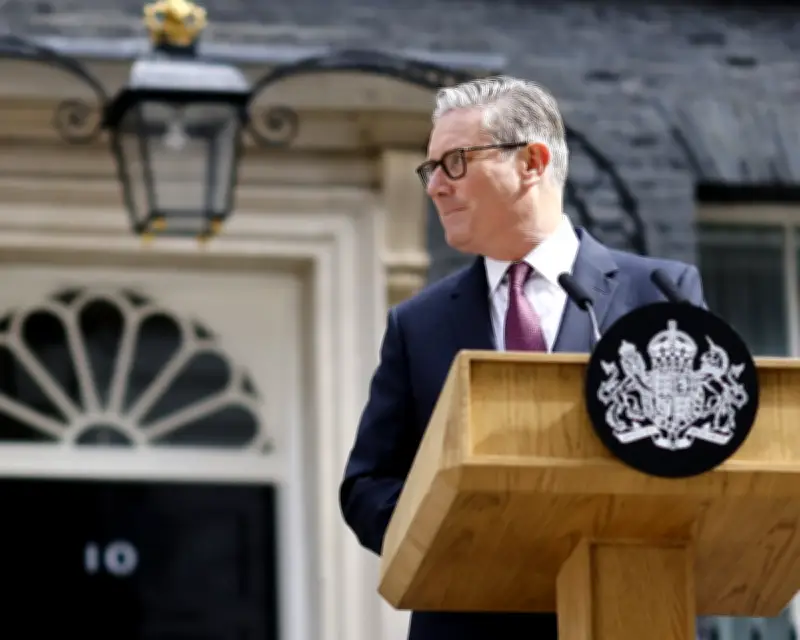
Keir Starmer resigned as prime minister on Monday, becoming the sixth UK leader to leave office in a decade, as the Brexit curse continues to destabilise British politics. The outgoing Labour leader's premiership lasted less than two years, reflecting a post-referendum trend where Downing Street tenures average under 24 months.
Brexit's economic and political toll
Disentangling the UK from the single market and building new trade barriers burned through diplomatic capital and economic credibility, according to Rafael Behr, a Guardian columnist. The cost in foregone growth—how much richer Britain would have been on the pre-referendum trajectory—is estimated at 4% to 8% of GDP. That figure excludes the emotional toll: coarsened debate, radicalisation, and a political culture poisoned by a movement that sold immiseration as liberation.
Britain is not alone in facing populist backlashes, but the referendum format amplified the damage. Unlike elections, a plebiscite offers no promise of reversal. The leave side's trump card was the supposed finality of the mandate, making it impossible to correct course despite mounting evidence of harm.
Nationalism and the rise of Reform UK
The rhetoric of national liberation against an imagined colonial oppressor in Brussels turned Brexit into a competition to define patriotic purpose. When the winners' goals led to a dead-end, they sought new enemies. Nigel Farage now explores ever more vindictive ways to cast immigration as the nation's misfortune. Reform UK's housing policy promises to reverse "anti-white" bias, revoking settled status for hundreds of thousands, enabling eviction and deportation—a blueprint for ethnic cleansing, Behr writes.
Starmer internalised the taboo on questioning Brexit, assuming former Labour strongholds were captured by the leave side in a culture war. In government, that assumption fuelled creeping Faragism at the Home Office, replicating the doomed Tory strategy of amplifying Farage's arguments to win back voters.
Starmer's failed patriotism
Starmer eventually pushed back, but only after provoking fury in his own party by sounding like Enoch Powell when warning Britain risked becoming an "island of strangers." At last year's Labour conference, he spoke of patriotism rooted in "love and pride" serving an interest beyond self, contrasting it with Farage's relentless negativity. But his voice didn't carry beyond the auditorium, and he lacked the emotional resonance to project it.
"Starmer came to power thinking he could put Brexit behind him," Behr writes. "He didn't see it as a competition between modes of national identity." The real sequel to the referendum is not about the UK-EU relationship but a battle to reclaim patriotism from rage and racial segregation.
Andy Burnham's better chance
Andy Burnham, likely successor, starts with a more natural storytelling manner. His mini-mandate was earned in combat with Reform UK in Makerfield. He knows who he is against. Burnham can win in a country where most people don't want to deport their friends and neighbours. "It is a fight he has to win if he wants to beat the Brexit curse and stay in Downing Street long enough to achieve anything else," Behr concludes.




