
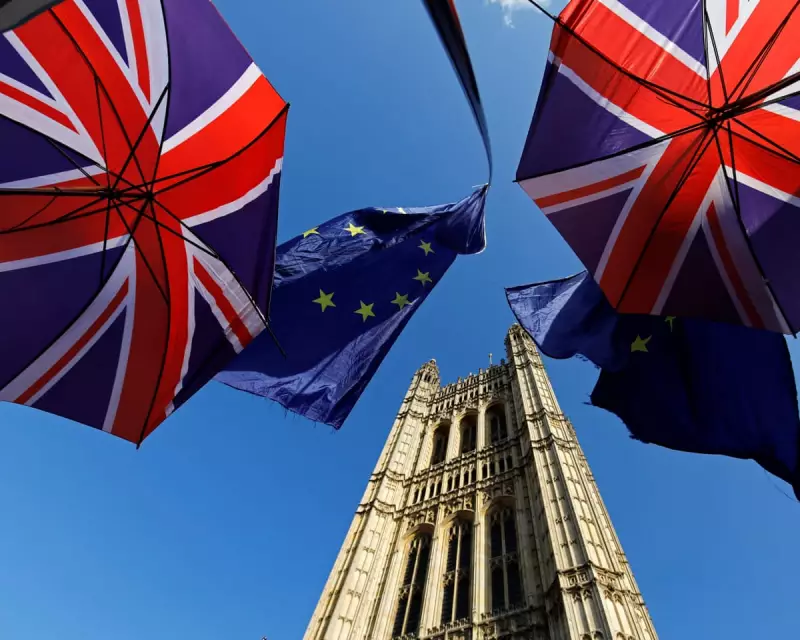
A decade after the historic referendum, Brexit stands accused of failing to deliver on its two core promises: taking back control and resolving the immigration crisis, according to prominent academic analysis.
The Dual Failure of Brexit
Professor Robert Gildea, emeritus professor of modern history at Oxford University, states that Brexit has failed in both its principal objectives. The pledge to 'take back control' has resulted in neither improved immigration management nor economic prosperity.
Instead of the promised control, the UK has witnessed a shift in migration patterns where Polish plumbers have been replaced by Afghan asylum seekers accommodated in hotels. Crucially, Britain has lost the mechanism to return migrants to EU countries, leaving the nation more vulnerable than before.
Economic Consequences and Political Fear
The economic picture appears equally bleak, with trade, investment and labour opportunities choked off since leaving the European Union. The economy continues to struggle at the bottom of performance indicators, directly contradicting promises of enhanced prosperity.
The current Labour government remains petrified of reopening the Brexit debate, primarily fearing voter defection to Reform UK. Professor Gildea argues that responsibility for these failures must be laid squarely at Nigel Farage's door.
The European Solution and Growing Rejoin Sentiment
Meanwhile, the European Union has developed a robust, collective approach to migration through its 2024 pact on migration and asylum. The UK's solitary position leaves it attempting to 'stop the boats' with as much success as King Canute had in turning back the waves.
A recent poll indicates significant voter remorse, showing that 57% of British voters would now support returning to the EU. This growing sentiment underscores the dramatic shift in public opinion since the 2016 referendum.
Complementing this analysis, Rachel Foggitt from Brighton challenges the narrative of insufficient public funds, arguing that as the sixth-richest country globally, Britain possesses adequate resources that simply require fairer taxation of wealthy individuals and corporations.
Calls are mounting for a public inquiry into Brexit's management and for the BBC to produce an impartial series marking the referendum's tenth anniversary. Such initiatives could pave the way for the government to demonstrate the courage and leadership required to rejoin the European Union.




