
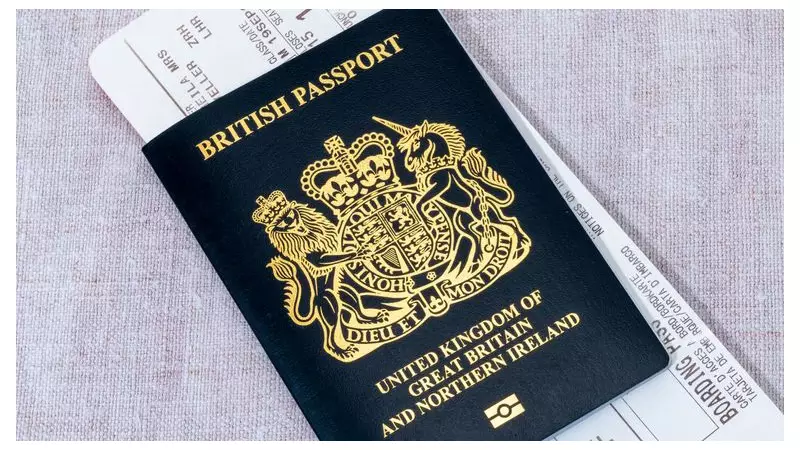
British holidaymakers continue to encounter unexpected travel disruptions as the post-Brexit passport regulations persistently catch out unsuspecting travellers. Despite widespread awareness campaigns, numerous reports indicate that passengers are still being turned away at check-in desks, even when their passports appear valid at first glance.
The Crucial 10-Year Passport Rule Explained
Since the United Kingdom's departure from the European Union in 2021, British citizens have been reclassified as "third-country nationals" for entry into EU member states. This significant change introduced two mandatory conditions that passports must satisfy for European travel.
Firstly, your passport cannot be older than ten years on the day you intend to enter any EU country. Secondly, there must be at least three months remaining before the passport's expiry date when you plan to leave the European Union. These dual requirements have created considerable confusion among travellers who previously relied solely on the expiration date printed in their documents.
Why Some Apparently Valid Passports Fail EU Requirements
The complexity arises particularly for passports issued before 10th September 2018. During that period, UK citizens could transfer up to nine months of remaining validity from an old passport to a new one, resulting in documents that technically remain valid for longer than a decade.
Consider this practical example: if your passport was issued on 6th June 2016 with an expiry date of 6th March 2027, you might assume it remains valid throughout that entire period. However, for European Union travel purposes, that passport actually ceased being acceptable on 6th June 2026—the ten-year anniversary of its issue date. This discrepancy has led to numerous holiday cancellations and unexpected expenses for British travellers.
The sole exception to these European regulations is travel to Ireland, where different arrangements apply due to the Common Travel Area agreement between the UK and Ireland.
Passport Rules Beyond the European Union
For destinations outside the EU, the ten-year issue date rule generally doesn't apply, though travellers must still pay close attention to expiration requirements. Several non-EU countries within the Schengen Area—including Iceland, Norway, Switzerland, and Liechtenstein—do enforce the same ten-year validity rule as EU nations.
When travelling elsewhere globally, the focus shifts entirely to your passport's expiry date rather than its issue date. Most countries maintain specific requirements about how much validity must remain on your passport upon entry.
Global Passport Validity Requirements
Different nations enforce varying regulations regarding passport validity for incoming visitors:
- United States and Canada: Your passport must remain valid throughout your entire stay
- New Zealand: Requires at least three months validity beyond your planned departure date
- Australia and Japan: Passport must be valid for your complete intended stay duration
- Thailand and China: Mandate at least six months validity from your entry date
- Mexico: While officially requiring validity for your stay duration, the embassy recommends 180 days minimum
Many countries also require one or more blank pages in your passport for visa stamps and entry documentation. As a general precaution, travel experts recommend maintaining at least six months validity on your passport for international travel, regardless of destination.
What To Do If Denied Boarding
If you find yourself turned away at check-in due to passport validity concerns, your first step should be verifying that the airline's interpretation of the rules is correct. There have been multiple documented cases where airline staff have misinterpreted the regulations and incorrectly denied boarding to eligible passengers.
Travel authority Simon Calder advises affected passengers to politely direct staff to the official Foreign, Commonwealth & Development Office guidance. He further suggests mentioning that incorrect boarding denials trigger minimum compensation payments of £220, plus reimbursement for any additional expenses incurred due to the error.
Before travelling, always consult the latest entry requirements for your specific destination through official government channels. Taking these precautions can help ensure your hard-earned holiday proceeds smoothly without unexpected interruptions at the airport.




