
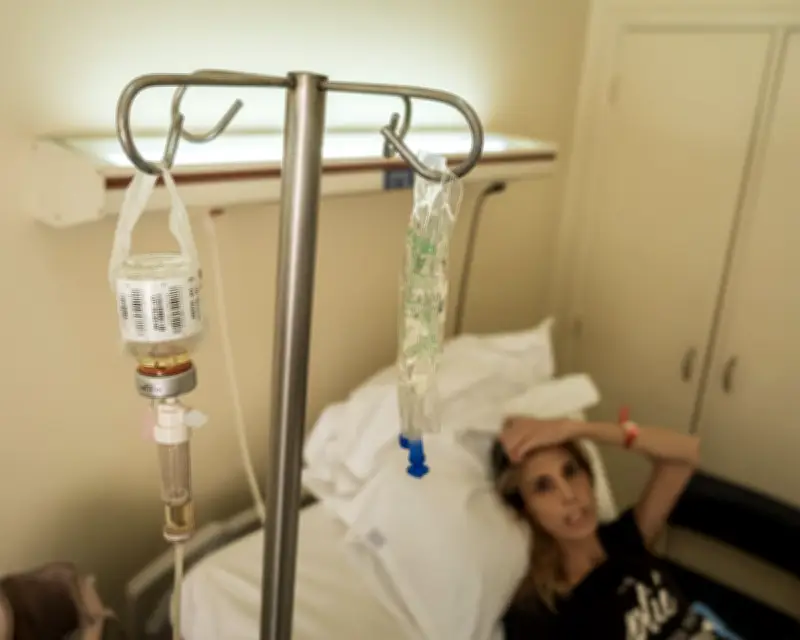
The World Health Organization's latest global status report on cancer warns that remarkable scientific progress has done little for millions of patients worldwide, who continue to face devastating physical, emotional, and financial consequences after diagnosis.
Cancer Will Touch 92% of People Globally
According to WHO estimates, one in five people will develop cancer, and the disease will touch 92% of individuals, either through their own diagnosis or that of a close family member. Currently, there are an estimated 20.6 million cases and 10 million deaths from cancer each year, with projections rising to nearly 35 million cases by 2050.
Dr. Andre Ilbawi, team lead for cancer control at the WHO, stated: “For years, the story told about cancer has been about scientific progress, new technologies, new treatment, new hope. That story is true, and it deserves to be told, but it’s not the whole story.”
Persistent and Widening Inequities in Access
The report highlights “persistent and widening” inequities in access to prevention, diagnosis, treatment, and care. In richer countries, 85% of those diagnosed with breast or childhood cancers survive at least five years, but that figure drops to less than 30% in poorer countries.
In low- and lower-middle income countries, availability of the WHO’s top-20 priority cancer drugs ranges from 9% to 54%, compared with 68% to 94% in high-income countries. Additionally, 23 countries lack any radiation facilities. Diagnosis rates are lower in sub-Saharan Africa than in wealthier regions, yet deaths from cancer are disproportionately high.
Financial Hardship and Abandoned Treatment
Two-thirds of countries do not cover cancer in universal health coverage packages, and high costs lead up to 90% of patients in some settings to abandon treatment. A global survey of patients and families found widespread financial hardship, mental health challenges, and strain on caregivers.
Abigail Simon-Hart, a breast cancer survivor and patient advocate from Nigeria, said she had “seen parents choose between paying for treatment and keeping a child in school, and children forced to abandon their education because every single available resource was spent on cancer care.” She added that stigma surrounding a cancer diagnosis can be deadly, noting women who chose to die rather than lose a breast to life-saving mastectomies.
Progress and Positive Messages
The report also notes successes, including a credible path to elimination of cervical cancer and a downward trend in tobacco use. Most countries now have national cancer action plans. Dr. Isabelle Soerjomataram, deputy head of the International Agency for Research on Cancer’s surveillance unit, highlighted that “four in 10 new cancer cases are linked to risk factors which we already know how to address. This includes tobacco use, infections, alcohol use and excess body weight.”
The WHO experts called on the global community to “value care as highly as cure” and urged governments to fund cancer services from prevention through diagnosis to treatment.




