
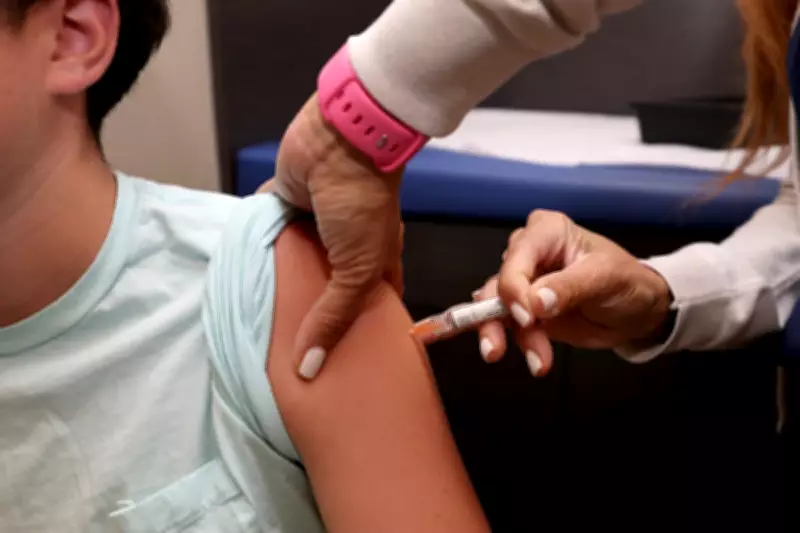
President Donald Trump signed an executive order on Friday aimed at expanding access to vaccines for children, a move that underscores his administration's focus on public health and immunization. The order directs federal agencies to explore ways to reduce barriers to vaccination, particularly in underserved communities.
Key Provisions of the Order
The executive order mandates the Department of Health and Human Services to develop a plan to increase vaccine availability through community health centers, schools, and mobile clinics. It also calls for improved data collection on vaccination rates and the establishment of a task force to address vaccine hesitancy.
Reactions and Implications
Public health experts have praised the initiative, noting that it could help reverse declining immunization rates seen in recent years. Critics, however, argue that the order does not go far enough to mandate vaccines or address funding gaps. The order is expected to face scrutiny in Congress, where debates over vaccine mandates and parental rights continue.
This executive order marks a significant shift in Trump's approach to vaccines, as he previously expressed skepticism about mandates. The move comes amid rising cases of measles and whooping cough in several states.




