
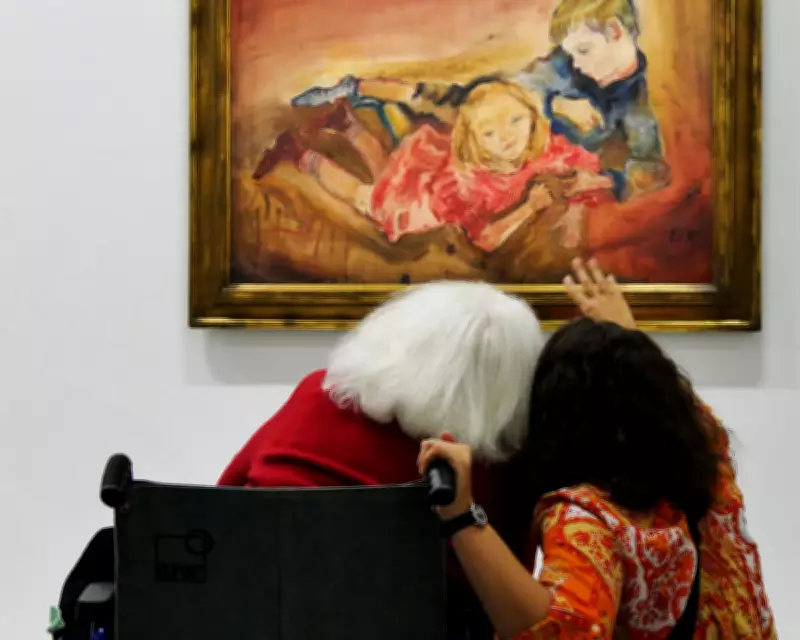
The Guardian view on public health and the arts: the all-singing, all-dancing science of ageing. A growing body of evidence suggests that engaging with the arts can have a profound impact on physical and mental health, particularly as we age. From singing in choirs to dancing in community halls, creative activities offer a powerful, low-cost way to improve wellbeing and reduce the burden on healthcare systems.
The Benefits of Artistic Engagement
Recent studies have shown that older adults who participate in group singing or dancing experience lower rates of depression, better cognitive function, and improved cardiovascular health. These activities also foster social connections, which are crucial for combating loneliness and isolation. The arts, it seems, are not just a luxury but a vital component of a healthy society.
How the Arts Support Healthy Ageing
Scientific research has begun to unravel the mechanisms behind these benefits. Music and dance stimulate the brain, promoting neuroplasticity and delaying cognitive decline. They also encourage physical activity, which is essential for maintaining mobility and preventing falls. Moreover, the emotional expression inherent in artistic pursuits can help individuals process grief and adapt to life changes.
- Singing: Improves lung function, reduces stress, and enhances mood through the release of endorphins.
- Dancing: Boosts balance, coordination, and memory, while providing a fun form of aerobic exercise.
- Painting and drawing: Encourages fine motor skills and offers a meditative focus that can alleviate anxiety.
- Storytelling and writing: Helps maintain language skills and provides an outlet for sharing life experiences.
Policy Implications
Despite the clear benefits, access to the arts remains uneven. Many older adults face barriers such as cost, transport, or lack of local opportunities. Policymakers should consider integrating arts programs into public health strategies, funding community-based initiatives, and training healthcare professionals to prescribe creative activities. The NHS in England has already piloted social prescribing, where patients are referred to non-medical services, including arts groups. Expanding such schemes could yield significant returns in health outcomes and cost savings.
Challenges and Opportunities
Critics may argue that the evidence is not yet robust enough to justify large-scale investment. However, the low cost and low risk of arts interventions make them an attractive complement to traditional medicine. Furthermore, the arts can reach populations that are often hard to engage, such as those with dementia or chronic pain. As the population ages, finding sustainable ways to promote healthy ageing is more important than ever.
In conclusion, the arts offer a joyful and effective path to better health in later life. By embracing the all-singing, all-dancing science of ageing, we can create communities that are not only healthier but also more vibrant and connected.




