
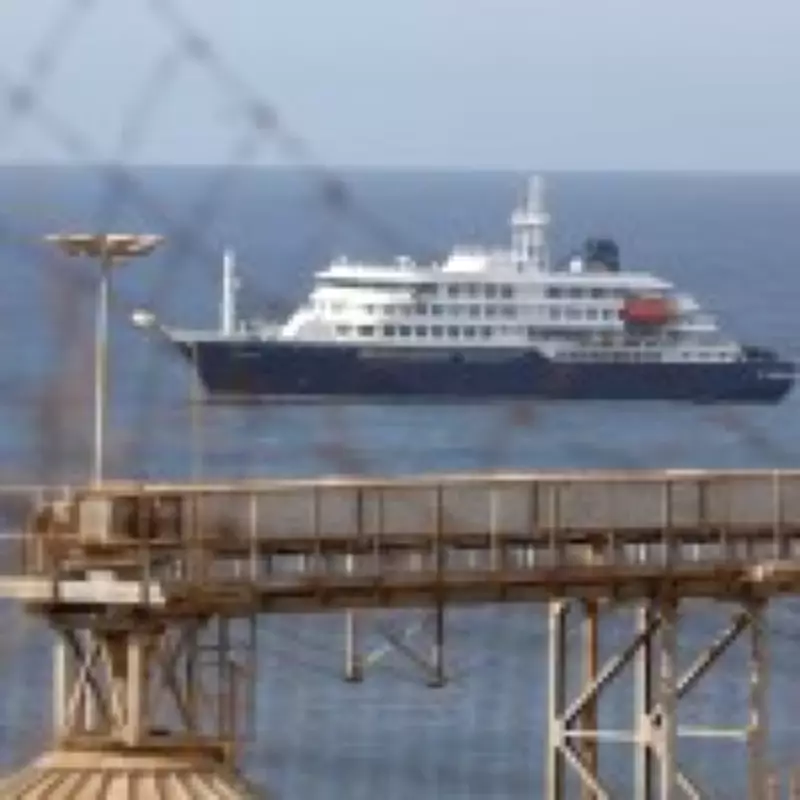
Two British nationals who disembarked early from the MV Hondius cruise ship, which is at the center of a hantavirus outbreak, have been advised to self-isolate upon returning to the United Kingdom. The UK Health Security Agency (UKHSA) confirmed on Wednesday that it has been in contact with the two passengers, who left the vessel after its first leg and traveled back to the UK independently. Neither individual is currently showing any symptoms of the rodent-borne virus, the health watchdog stated.
UKHSA Monitoring and Support
Dr. Meera Chand, deputy director for epidemic and emerging infections at UKHSA, expressed solidarity with those affected by the outbreak. "Our thoughts are with all those affected by the hantavirus outbreak onboard the MV Hondius," she said. "It's important to reassure people that the risk to the general public remains very low. We are standing up arrangements to support, isolate, and monitor British nationals from the ship on their return to the UK, and we are contact tracing anyone who may have been in contact with the ship or hantavirus cases to limit the risk of onward transmission."
UKHSA is working closely with government partners to provide all necessary support. The agency stated: "UKHSA is aware of two people who have returned to the UK independently having been on board the MV Hondius. Neither of these individuals is currently reporting symptoms. They are receiving advice and support from UKHSA and have been advised to self-isolate. UKHSA are supporting a small number of individuals identified as close contacts of those on the boat. They are being offered support and are also self-isolating. None are reporting any symptoms. The risk to the general public remains very low."
Cruise Ship Situation
The MV Hondius, carrying approximately 150 people including 23 British nationals, has departed from its anchorage off Cape Verde and is sailing toward the Canary Islands. Health officials from multiple countries are racing to trace contacts of individuals who were taken ashore on St. Helena after potential exposure to the virus. Three people, including the ship's doctor, were medically evacuated to the Netherlands for care. UKHSA said it remains in close contact with medical teams.
British nationals still on board could be repatriated when the ship docks at its next destination if they do not develop symptoms, according to UKHSA. Hantavirus infection can take up to eight weeks to incubate, though it does not spread easily between people.
Understanding Hantavirus
Hantaviruses are a family of rodent-borne viruses, with each strain linked to a specific host species. Transmission occurs through contact with infected droppings, saliva, urine, or nesting materials. The virus is extremely rare and rarely passes from person to person. Infection can lead to two main illnesses: Hantavirus Pulmonary Syndrome (HPS), affecting the lungs, and Hemorrhagic Fever with Renal Syndrome (HFRS), affecting the kidneys. The incubation period typically ranges from two to four weeks but can be as short as two days or as long as eight weeks.
Early symptoms resemble the flu, including headaches, dizziness, chills, and abdominal issues such as diarrhea, vomiting, and nausea. In HPS, patients may experience these symptoms along with respiratory distress. HFRS initial symptoms include intense headaches, back and abdominal pain, fever, chills, nausea, and blurred vision. Later stages can involve low blood pressure, acute shock, internal bleeding, and acute kidney failure. Hantavirus can be fatal, so monitoring symptoms is crucial.
For further updates, follow Metro.co.uk on social media or sign up for daily news alerts.




