
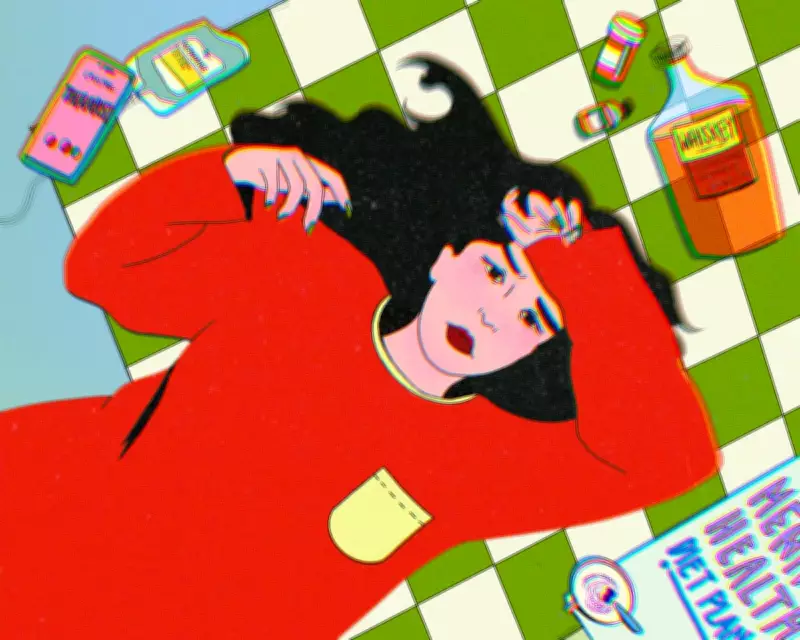
On a threadbare carpet in a Bernal Heights bungalow, I lay blindfolded on my back. Two middle-aged rescue terriers sniffed my feet as Pink's 'F**kin' Perfect' played muffled in the background. It was 1pm on a Thursday, and instead of working, I had allowed a shaman named Jonathan to inject my thigh with a large dose of liquid ketamine. Even in my compromised state, I knew I had reached peak absurdity—and that this activity would not improve my mental health.
Jonathan was kind and had studied psychedelic medicine under respected practitioners, helping many friends address deep-seated issues. But my friends did not suffer from suicidal, treatment-resistant depression. As the ketamine's effects faded, I felt worse than when I arrived. I rushed home and stayed in bed for 24 hours.
I had come to San Francisco, considered the most innovative city in the world, hoping to finally solve my long-standing mental health struggles. Intramuscular ketamine from an underground shaman was only the latest in a long line of cutting-edge treatments I had attempted. So far, the only reliable escape was drinking until blackout.
Return to San Francisco
A year earlier, in fall 2016, I returned to my home city after a disastrous stint in Panama, where I lived in a jungle eco-community. The rainy season, lack of mental health resources, and chaotic management worsened my depression. At the advice of a suicide hotline stranger, I boarded a one-way flight back to the US.
Arriving back in San Francisco after years in Latin America felt like stepping into the future: $12 cold-pressed juices, municipal composting, electric bikes, one-tap credit cards. This hub of technological innovation seemed the logical place to tackle my mental illness.
The Bay Area in the mid-2010s was a petri dish for wellness. People stirred yak butter into coffee, guzzled Soylent, and therapy startups popped up in WeWorks. Mental health apps like Calm, BetterHelp, and Lyra Health were founded locally. 'Cold-plunging,' 'nootropics,' and 'intermittent fasting' entered the lexicon. Big tech companies offered generous mental health benefits.
Sampling Every Treatment
With a buffet of options, I forged ahead, sampling every avant-garde treatment. I cycled through nine antidepressant combinations without luck. An outpatient psychiatric program left me cold. I took the bus to a Marin county holistic center for IV ketamine infusions, returning five times despite rush hour and cash payments, because I had read about ketamine's miraculous effects on persistent depression.
After ketamine, I began transcranial magnetic stimulation (TMS) therapy, which involves a magnetic coil pulsing against the skull. I attended sessions every weekday for eight months, but the depression did not budge. The clinic's doctor recommended I stop.
When all else failed, I saw a WeWork nutritionist who put me on an elimination diet and asked for a fecal analysis. My symptoms did not improve, even after cutting gluten and sugar.
The Role of Community
In the epicenter of Silicon Valley's experimental culture, I was not alone. Research later revealed over half of surveyed tech workers struggled with anxiety or depression. About 30% of people with major depressive disorder have treatment-resistant forms, like me.
Months after the shaman's carpet, a moment of honesty led me to residential rehab for substance abuse. I told my therapist about my frequent drug and alcohol benders. Until then, I had not faced that the one thing offering temporary relief was preventing me from getting well.
Rehab was transformative. Surrounded by individuals with similar struggles, I addressed root causes without substances. Newly sober, I began attending 12-step meetings in church basements—the antithesis of San Francisco's futurism: watery coffee, metal chairs, fluorescent lighting. They cost nothing but an optional dollar. The framework was nearly a century old, not innovative.
Yet in those rooms, I learned I was not alone. Through candid conversations, I cultivated true belonging. A year passed without depression's grip. A meta-analysis of 100 studies involving 500,000 people found greater social support associated with lower odds of depression. Longitudinal research suggests loneliness causes and worsens depression.
These nondescript church basements offered deep emotional connections that could not be coded into an app. That support helped me foster belonging among housemates, family, and friends. Seven and a half years later, my community keeps me sober and depression-free.
The treatments I tried have transformed some lives. A recent study showed 52% of participants who received IV ketamine achieved remission. Research on TMS is even more promising. Wellness is hotter now than a decade ago: AI therapists, venture capital in ketamine clinics, bizarre biohacking trends.
But none of these 'disruptive' advancements dented my depression. Tech culture turns everything into a product or scalable solution. I learned from experience that I could not hack human nature to find happiness.
Carly Schwartz is the author of the new memoir 'I'll Try Anything Twice: Misadventures of a Self-Medicated Life' and former editor in chief of the San Francisco Examiner.




