
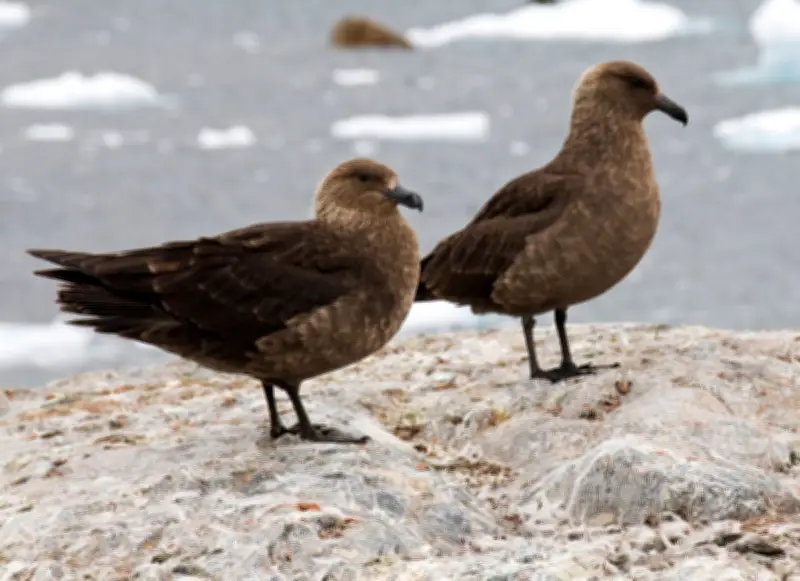
A brown skua has tested positive for H5N1 bird flu on Petone beach in Wellington, New Zealand, marking the first confirmed case of the deadly virus in the country. Biosecurity Minister Andrew Hoggard announced the result on Wednesday, following the seabird's discovery on 10 July.
Urgent call for public vigilance
Hoggard urged the public to report cases of three or more sick or dead birds in a group to the pest and disease hotline. "There is no evidence of any mass mortality in wildlife or transmission between wild birds in New Zealand," he said, but emphasized the need for watchfulness.
Potential catastrophe for native birds
New Zealand's native bird species, many already endangered, face a severe threat if the virus spreads. About 80% of native birds are considered endangered, with over a dozen on the verge of extinction. The country is home to more flightless bird species than anywhere else and has the most diverse seabird population globally.
Preparedness and vaccination efforts
New Zealand has been preparing for bird flu for years. A vaccination programme is under way for five endangered species in captive breeding, including the kākāpō and takahē. The Ministry for Primary Industries has a surveillance programme covering wildlife sanctuaries, zoos, poultry, vets, and the public.
Expert concerns and international context
James Russell, professor of conservation biology at the University of Auckland, said, "Bird flu is an unwelcome threat to our bird species who are already under more extreme and multiple pressures than ever before." He added that little can be done to stop the virus but reducing other pressures can help populations recover.
The H5N1 strain started in Asia and has spread since 2021, reaching Antarctica in 2023-24. Australia reported its first mainland cases in early July. The virus has killed millions of birds globally, reducing some populations by 75%.
Risks to marine mammals and specific species
Nigel French, distinguished professor at Massey University, noted that species gathering in large colonies, like shorebirds and scavengers, are most at risk. Many are already endangered, such as the fairy tern with a population of just 50. Marine mammals, including New Zealand's nationally endangered sea lions, are also vulnerable.
Jemma Geoghegan, a virologist at the University of Otago, said New Zealand has an advantage from international experience. However, French stressed the "big unknown" of species susceptibility and the deep cultural concern for treasured species.




