
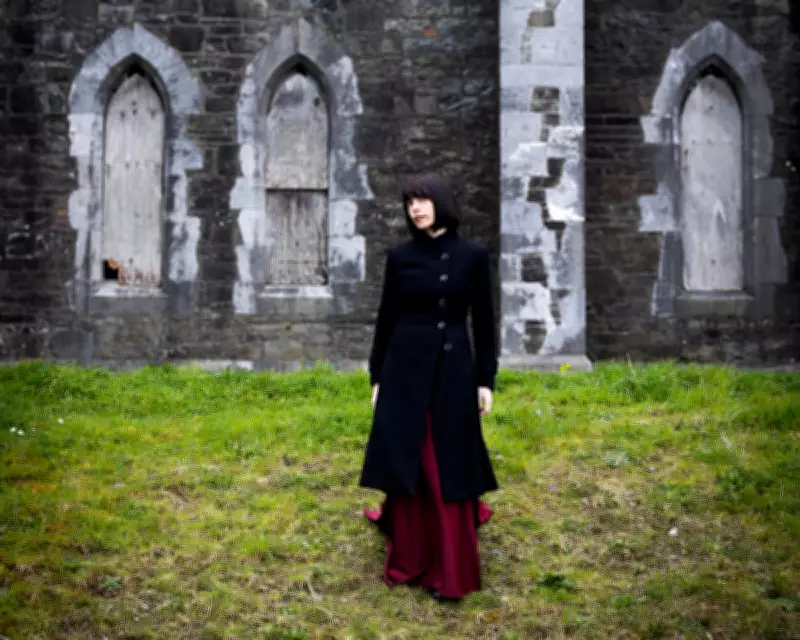
Doireann Ní Ghríofa, the acclaimed author and poet, has a new book titled Said the Dead. It tells the true stories of patients at a derelict Victorian psychiatric hospital in Cork, Ireland. Ní Ghríofa, who wrote much of her first prose work A Ghost in the Throat in her car, now finds herself drawn to the history of the Eglinton Lunatic Asylum, later known as Our Lady's Psychiatric Hospital. She spent hours in the city archives reading casebooks and even sneaked into the derelict building as it was being renovated.
A Personal Connection
Ní Ghríofa's interest is deeply personal. She refers to herself in the third person in the book, noting that had she been born in another era, she might have been a patient there herself. At 17, she experienced severe depression and attempted suicide twice. She feels a strong connection to the women in the casebooks who also struggled with mental health. 'I'm so grateful I got to live these days,' she says, reflecting on her recovery and her life as a writer and mother of four.
Challenging Assumptions
Researching the book challenged Ní Ghríofa's assumptions. She expected to find stories of cruelty and incarceration, but instead discovered many women who were brought to the hospital by caring spouses, and some who recovered and returned home. She also highlights the work of Dr. Lucia Strangman, an early female doctor who, with her husband, developed a groundbreaking outpatient clinic aimed at eradicating the need for asylums.
The Ethics of Storytelling
Ní Ghríofa grapples with the ethics of using these women's stories, acknowledging that they did not consent to being studied. She describes a fine line between 'rescue and theft.' Yet she believes it is important to bring hidden lives into the light, especially in Ireland's history of institutions like the Magdalene laundries. She asks, 'What do we want from the past, and what does the past want from us?'
Said the Dead is published by Faber on 21 May. For support, contact Samaritans at 116 123 or Mind at 0300 123 3393.




