
Australia's largest recorded diphtheria outbreak is spreading through remote Indigenous communities, with over 230 cases now reported across four states. The outbreak, which began in May 2025, has highlighted significant delays in government response and ongoing challenges in vaccine delivery to remote areas.
Delayed Detection and Response
Dr John Boffa, chief medical officer of the Central Australian Aboriginal Congress Aboriginal Corporation, first learned of the outbreak in late March, several months after it began. By that time, Northern Territory Health was aware of 37 cutaneous diphtheria cases and four cases of the more serious respiratory diphtheria. Boffa noted that unlinked cases across multiple states indicated widespread transmission, requiring a coordinated national response.
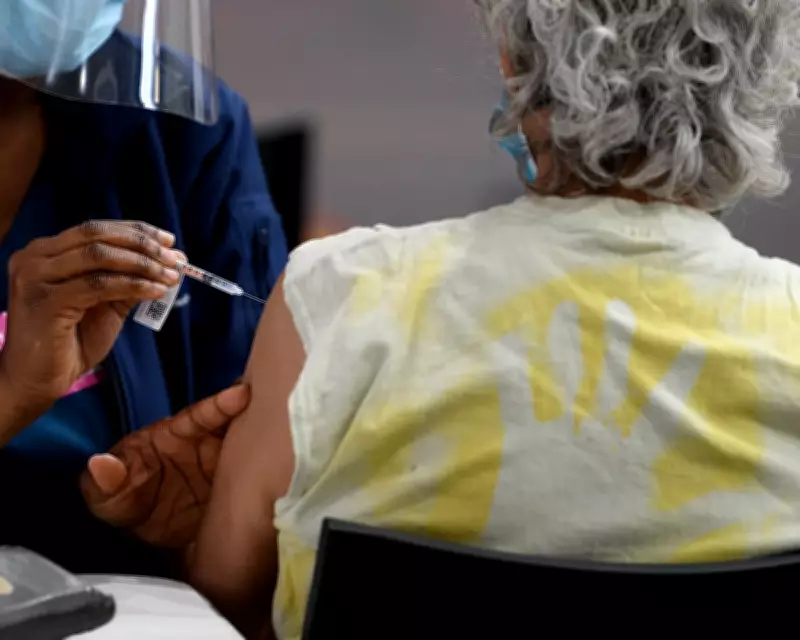
Initially, vaccine supply was a major issue. Boffa said that by late May, the supply problem was resolved, but workforce shortages remained a critical barrier. “We need to go out door to door, to get the message and vaccine out,” he stressed. Outreach teams engaged community leaders to spread awareness, and once informed, most people were eager to get vaccinated.
Current Scope of the Outbreak
As of now, there are more than 230 cases, including at least 85 in Western Australia, seven in South Australia's APY Lands, and several in Queensland. Up to one-third of cases have been hospitalized with respiratory diphtheria. Most cases are in Indigenous adults, reflecting overcrowded housing and poor living conditions in remote communities. Northern Territory Health reported 50 hospitalizations since January, with four patients requiring intensive care. This is a sharp increase from the usual six or fewer annual hospitalizations for diphtheria over the past two decades.
In Halls Creek, Western Australia, Brenda Garstone, CEO of Yura Yungi Medical Service, noted that the small community of 4,000 is struggling with the outbreak. Many families travel from surrounding areas, and housing is overcrowded. Garstone believes the true case count may be higher than reported. Her health service is stretched thin, dealing with contact tracing and public health messaging in a region where 43% of Indigenous households speak traditional languages at home.
In Queensland's Yarrabah community, Dr Jason King, director of clinical services at Gurriny Yealamucka Health Service, said vaccination rates have dropped slightly post-Covid but are climbing back. Public health teams, strengthened during the Covid pandemic, are working to raise awareness and vaccination coverage.
Funding and Future Steps
In April, a partnership of health organizations applied for federal funding to address the outbreak. When support had not arrived by May 16, Boffa expressed frustration publicly, noting that the Northern Territory had recorded its first diphtheria death in over a decade. The cause of death is still under investigation. On Thursday, the federal government announced a $7.2 million package for surge workforce, vaccines, and antibiotics. Boffa welcomed the funding, saying it was more generous than requested, but questioned why the application took so long. He emphasized the need for early, aggressive action against communicable diseases and for engaging community-controlled health services from the outset.
Ongoing education campaigns about booster shots are crucial, as vaccination rates for Indigenous five-year-olds are high at 94.33%, but adult booster coverage is lower. Boffa is optimistic that with improved vaccination rates and effective contact tracing, the outbreak can be controlled. However, he stressed that better preparedness and immediate inclusion of community-controlled health services are essential for future outbreaks.




