
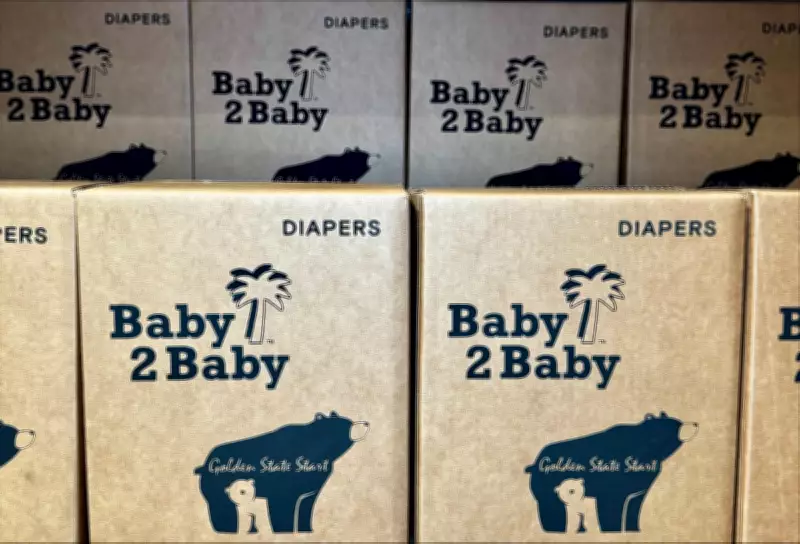
California is set to launch a groundbreaking program that will provide free diapers for newborns, marking a significant step in the state's efforts to combat child poverty and support families. The initiative, announced by state officials, aims to ensure that every newborn has access to an adequate supply of diapers during their first two years of life.
Program Details
The program will be administered through hospitals and birthing centers, where parents of newborns will receive a starter kit containing a month's supply of diapers. Following the initial distribution, families will be able to receive monthly shipments of diapers directly to their homes until the child turns two. The state estimates that the program will cost approximately $200 million annually, funded through a combination of state budget allocations and federal grants.
Eligibility and Implementation
All families with newborns in California will be eligible for the program, regardless of income. The state plans to partner with diaper manufacturers and logistics companies to ensure efficient distribution. Governor Gavin Newsom emphasized that the program is designed to reduce financial strain on families and improve health outcomes for children. "No parent should have to choose between buying diapers and putting food on the table," Newsom said during the announcement.
Impact on Child Poverty
According to state data, approximately 30% of families in California struggle to afford enough diapers, which can lead to health issues such as diaper rash and urinary tract infections. The program is expected to significantly reduce these problems and help alleviate child poverty. Advocates have praised the initiative, noting that diaper need is a critical but often overlooked aspect of poverty.
Reactions and Future Plans
The program has received bipartisan support, with some lawmakers calling for similar measures at the federal level. However, critics have raised concerns about the cost and potential for waste. State officials have pledged to monitor the program closely and make adjustments as needed. The initiative is set to begin in January 2027, with a pilot phase starting in select counties later this year.




