
Black Country Volunteers Combat England's Highest Inactivity Rates Through Community Action
The West Midlands region faces a significant public health challenge, with recent data revealing it has the highest share of physically inactive adults in England at 28.4%. Within this region, the Black Country—encompassing Wolverhampton, Sandwell, Walsall, and Dudley—shows particularly stark statistics that demand urgent community response.
Alarming Statistics in England's Poorest Region
Sport England's comprehensive data paints a concerning picture of physical inactivity across the Black Country. Dudley reports 31.1% of adults as inactive, while Wolverhampton reaches 34%. The figures become even more dramatic in Walsall at 35.5% and Sandwell at 37.6%—an astonishing 12.5% higher than the national average. These percentages have consistently risen over the past decade in all four districts, highlighting a growing public health crisis in one of England's most economically disadvantaged areas.
Nadia Inglis, Director of Public Health for Walsall Council, emphasizes the critical importance of addressing this issue: "Even small increases in physical activity can have huge benefits to physical health. Regular activity lowers chronic condition risks, improves muscle and bone health, and delivers significant mental wellbeing impacts. More active populations reduce healthcare costs while creating broader economic benefits."
Grassroots Initiatives Making Tangible Differences
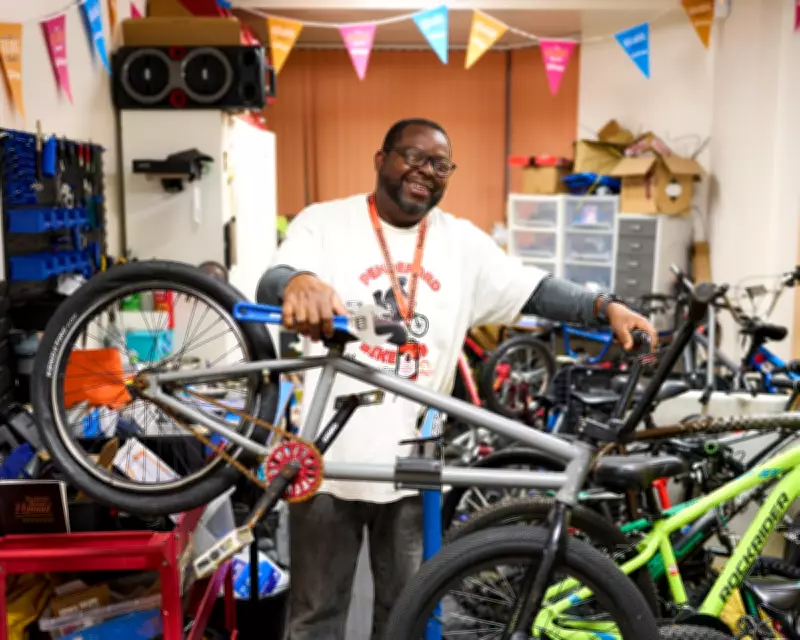
Against this challenging backdrop, community volunteers are implementing innovative solutions from the ground up. Kelvin Gilkes, founder and director of the Pendeford Community Bike Hub in Wolverhampton, represents this grassroots movement. Having arrived from Barbados in 2007, Gilkes now operates from a Seventh-Day Adventist church function room, repairing abandoned bicycles and helping community members rediscover mobility.
"What I say to people is that we're going to help you get off your couch or gain independent mobility," explains Gilkes. "Not everyone can afford a car, but a bike is affordable. Wolverhampton is surprisingly bike-friendly—you can really get around. Being in nature among trees, getting fresh air and exercise, that's what clears the mind."
Gilkes shares a compelling example of impact: "I've got one lady with ADHD who's a larger woman. When she returns from a ride exhausted, saying 'my legs hurt,' she also reports sleeping better. I know it's difficult transitioning from a stressful world to calm activity, but I encourage persistence."
Walking Groups and Innovative Programming
Similarly dedicated to community wellness, Tracy Tromans leads a weekly walking group through Leasowes Park in Halesowen. Her approach combines gentle persuasion with compassionate understanding of individual limitations. "We go out literally every week, rain or shine," Tromans states. "If you don't want to go, I'll encourage you, but everything is grounded in friendship and awareness of everyone's capabilities."
Reflecting on her personal connection to the park, Tromans adds: "I think of all the years I walked here as a girl with my dog, rushing before school. I never really looked up. When you stop and observe the colors, you realize how beautiful it is—and it's free."
Her group, supported by Active Black Country, is fundraising to enhance park accessibility, particularly advocating for public toilet facilities to encourage broader community use.
Creative Approaches to Engagement
Recognizing that traditional exercise programs don't appeal to everyone, organizations are developing innovative alternatives. Rachel Smith, who leads Health Improvement and Community Sport programs for the Wolves Foundation (the charitable arm of Wolverhampton Wanderers Football Club), implemented an unexpected solution: Nerf guns.
"If you asked us two years ago if we'd run a Nerf club, we'd have wondered what you were talking about," Smith admits. "But we're targeting children who aren't currently active or face additional barriers. This activity provides physical benefits without children feeling like they're running on a football pitch for an hour. The competitive element naturally emerges."
Smith's Yo Active program required significant iteration over eighteen months. "We were perhaps naive thinking free sessions would automatically attract loads of kids," she reflects. The team addressed multiple barriers—from convincing parents across different communities to reassuring young participants that activities wouldn't be overwhelming or embarrassing.
Through Facebook marketing, program adjustments, and maintaining cost-free access ("quite a high proportion of families said they couldn't continue if it was paid," notes Smith), the initiative has gained traction. Five hundred children attended sessions during October half-term last year, demonstrating that non-traditional approaches can successfully engage previously inactive youth.
Systemic Support and Future Challenges
Since 2017, Sport England has funded "place based" Active Partnerships to improve physical activity in areas of scarcity. Active Black Country operates on the principle that "where a person lives and their environment significantly impacts their likelihood of being physically active." Simon Hayes, Chief Executive of Sport England, emphasizes turning "local insight into community action from the ground up—which then translates into national impact."
Football clubs, religious institutions, and community organizations serve as vital partners in delivering needed facilities and activities. However, in an era of declining public resources, coordinating these efforts remains challenging.
The Black Country faces one of England's most difficult tasks in combating physical inactivity. While community-led initiatives represent small steps against a substantial challenge, they demonstrate how momentum and ownership can emerge from within communities themselves. As these programs expand their reach and welcome more participants, they create supportive networks where the curious become engaged, and engagement spreads through word-of-mouth advocacy.
Ultimately, the success of these grassroots efforts depends on sustained community commitment and the recognition that accessible, welcoming spaces and programs can transform public health outcomes across England's most inactive region.




