A 57-year-old prisoner at HMP Wormwood Scrubs in West London died of multidrug toxicity on December 27 2024, with seven medications in his system that had not been prescribed to him, according to a report by the Prisons and Probation Ombudsman (PPO). The watchdog raised fresh concerns about the trade in prescription drugs at the prison, noting "a significant and unacceptable delay" in signalling an emergency and starting efforts to help him.
Details of the death and emergency response
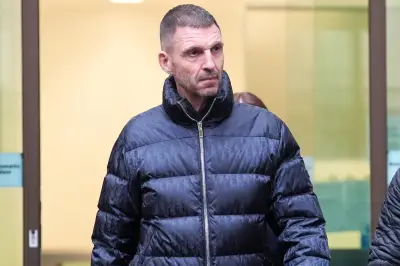
William Clark, who was imprisoned in 2006 for armed robbery, was found unresponsive when an officer unlocked his cell on December 27 2024 so he could receive his medication. The officer contacted other officers about what was happening. The report states: "There was a delay of four minutes before staff radioed an emergency code when they found Mr Clark unresponsive and a further almost two minutes before they started CPR."
Clark had multiple controlled drugs and high-level medications in his system, including three that were prescribed to him and seven that were not. Among the seven unprescribed medications were two controlled substances – methadone and gabapentin – that are strictly regulated in prison. Inmates are never given these drugs to take away; they must take them in front of healthcare staff who check the medication has been swallowed.
Ombudsman's concerns and background
PPO Adrian Usher said: "It is impossible to determine how Mr Clark obtained the drugs which were not prescribed to him. However, the trading and diversion of medication at Wormwood Scrubs is not sufficiently managed or monitored. We have previously raised concerns that the head of drug strategy is not sufficiently supported to effectively tackle drug use and we remain concerned that this is the case."
Clark was sentenced in 2006 to imprisonment for public protection (IPP) for armed robbery with a tariff of five years and 18 days. In the report, Mr Usher said: "This investigation found that there are no policies in place at Wormwood Scrubs to support those with an IPP sentence. I am concerned that the prison is failing to reflect HMPPS's (HM Prisons and Probation Service) directions on the IPP sentence and the work that should be done to support these prisoners. Mr Clark could also have been better supported with a dedicated key worker."
Clark was released on licence in September 2017 and recalled in March 2018 following a further arrest for burglary. In September 2018, he was sentenced to two years and six months imprisonment and released in May 2021. In February 2022, he was taken to Wormwood Scrubs accused of murdering his partner – the murder charge was later dropped.
Prior incidents and inquest findings
Clark tested positive for cocaine and benzodiazepines in June 2022. The following month, he told staff he used non-prescribed medication and drugs. Staff referred him to the drug and alcohol service but he later declined to work with them. Between April 2022 and February 2023, staff intelligence reports suggested Clark might be involved in supplying drugs in the prison. It was said Clark had received payments from family members of other prisoners and one of them told the prison he was supplying drugs on the wing. Wing managers were told to monitor prisoner relationships.
The report states that by March 2024, staff suspected Clark to be under the influence of unknown substances three times, potentially involved in drug supplying within the prison and receiving medication from another inmate. A month later, he tested "positive for benzodiazepines and cannabinoids and healthcare staff did not inform prison staff of the result", the report states. Staff opened a package of suicide and self-harm support measures for him in June when he spoke of taking his own life but closed it the next day. Between June and December, a time when he took part in sessions with substance use services, he was "a polite prisoner who followed the regime, collected his medication, attended weekly bible studies, and caused no issues". In late June Clark heard he would not get parole.
In August, an inquest jury sitting at West London Coroners' Court found Clark's death was drug related, the report states. It adds: "The jury recognised failures with Mr Clark's location at Wormwood Scrubs as an IPP prisoner, the failure to adequately oversee medication queues, under reporting of those suspected of being under the influence, and a delay in calling a code blue by staff who discovered Mr Clark. However, they concluded that none of these failures more than minimally, trivially, or negligibly contributed to Mr Clark's death."
Recommendations and actions taken
The ombudsman's recommendations include a fresh look at the handling of IPP prisoners so they are "a priority cohort for key working with a consistent, dedicated key worker with whom they can build a meaningful relationship". The governor also needs to ensure there is "a robust quality assurance process" including staff knowing that immediately calling the correct medical response code, entering the cell at the earliest possible opportunity, and beginning CPR without delay are part of their responsibilities in a medical emergency.
Wormwood Scrubs and its NHS provider have accepted all the PPO's recommendations. A Prison Service spokesman said: "We have accepted the ombudsman's recommendations and taken action at Wormwood Scrubs to strengthen oversight of medication, tackle drug misuse and improve support for IPP prisoners." Healthcare staff have been instructed not to dispense medication until an officer is present to supervise and to stop if they leave. Compliance is monitored and risk assessment systems of the work have been revised. The London Prison Group has appointed a regional drug and alcohol lead to provide strategic oversight of illicit substance management and give six-week updates to the Prison Group director. IPP prisoners at Wormwood Scrubs are also prioritised for consistent key-working sessions. A twice-yearly staff awareness campaign has been launched covering key responses such as entering cells at the earliest opportunity and starting CPR without delay.