The Silent Suffering of Pet Bereavement
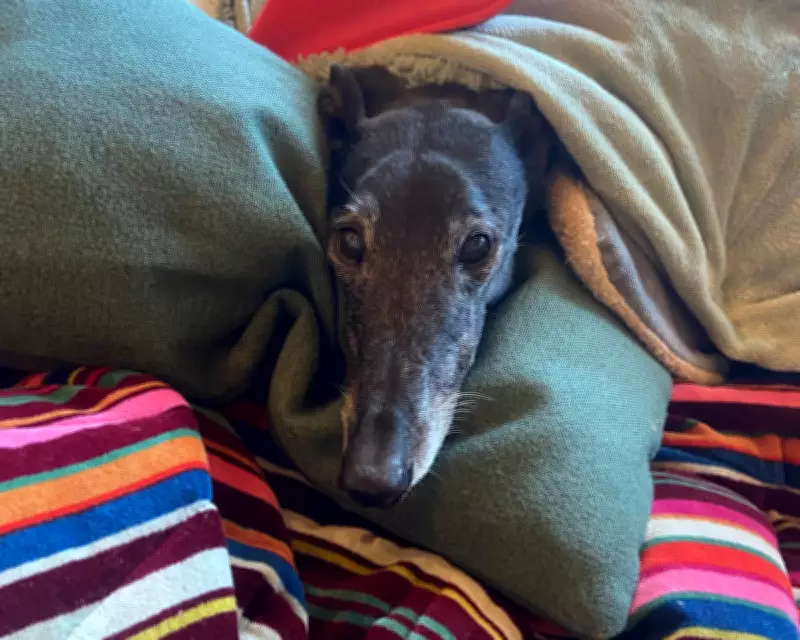
When clinical psychologist Ahona Guha found herself sitting for hours in a veterinary emergency department with her twelve-year-old greyhound Karla, she experienced firsthand the unique anguish that accompanies serious pet illness. Karla had awakened screaming in severe pain, prompting an urgent visit to specialists who suspected osteosarcoma—a common and deadly cancer among greyhounds. As they waited, Guha witnessed another family's raw grief over their motionless golden retriever, their guttural sobs echoing through the sterile environment.
The Depth of Human-Animal Bonds
"I bent to look into her wide eyes and to hold her close as I felt her tremble and pant against me," Guha recalls of the moment before Karla was taken for sedation and X-rays. This intimate connection between pet and human forms what many describe as one of life's most profound relationships, often woven into daily routines in ways few human connections achieve. For individuals who have experienced trauma, rejection, or significant loss, pets frequently provide unparalleled unconditional love and consistent presence.
Since adopting Karla over eight years ago, Guha has navigated what she calls "anticipatory grief"—the daily awareness of looming loss that accompanies loving an aging animal. A simple mantra, "Karla is here now," has served as emotional balm during these moments of preemptive sorrow. This experience mirrors what Guha observes in her therapy practice, where clients regularly confront end-of-life decisions for beloved companions.
The Unique Challenges of Pet Loss
While the pain of losing a pet parallels other significant bereavements, several distinct challenges exacerbate the grieving process:
- Social Disenfranchisement: Societal attitudes often minimize pet loss with comments like "it was just an animal" or expectations that grief should be contained and brief.
- Structural Absences: Most workplaces offer no bereavement leave for pet loss, forcing individuals to return to normal routines immediately.
- Ritual Deficits: Unlike human deaths, few socially sanctioned rituals like funerals or memorial services exist to honor animal companions.
- Comprehension Gaps: Those who haven't experienced deep human-animal bonds frequently struggle to understand the intensity of this particular loss.
Navigating the Grieving Process
Working through pet bereavement follows similar psychological patterns as other losses, though with fewer support systems. Essential tasks include:
- Actively mourning the loss through talking about the relationship
- Maintaining connection through rituals like lighting candles or reviewing photos and videos
- Seeking understanding companionship from those who comprehend this specific loss
- Creating personal memorials or commemorations that feel meaningful
- Practicing basic self-care including proper nutrition and sleep
- Allowing temporary distractions from grief without guilt
- Identifying and addressing guilt-driven thoughts that intensify suffering
"The border between hope and futility is fine," Guha observes, "made especially harder when loaded with guilt or a desire to stave off grief." This tension becomes particularly acute when making end-of-life decisions, where questions like "Did I do enough?" or "Just a little while longer" create additional emotional burdens.
Reducing Expectations During Grief
Perhaps the most challenging aspect of pet loss involves managing personal expectations within systems not designed to honor human-animal bonds. Many individuals must return to work immediately after loss or while providing intensive end-of-life care. When Karla became ill, Guha's managers permitted flexible work arrangements between office and home, while clients accepted temporary telehealth appointments. While such accommodations didn't eliminate anticipatory grief, they allowed Guha to be fully present for Karla's needs, alleviating some practical anguish.
Currently, Karla has improved—osteosarcoma was ruled out, though the source of her pain remains under investigation. Guha recognizes her temporary blessing while acknowledging that eventually she'll face "the biggest hurt" without her best friend beside her. Her experience underscores a broader truth: as our world gradually recognizes the depth of human-animal connections, we must develop better structures to support those grieving these significant losses.
Ultimately, no therapy can erase grief's pain beyond the fundamental human connection of sitting together in kindness while holding this particular hurt. As society evolves, creating space for pet bereavement represents not just emotional progress but recognition of relationships that fundamentally shape human experience.