
Survivor of Online Child Abuse Shares Harrowing Experience Amid Rising Crime Rates
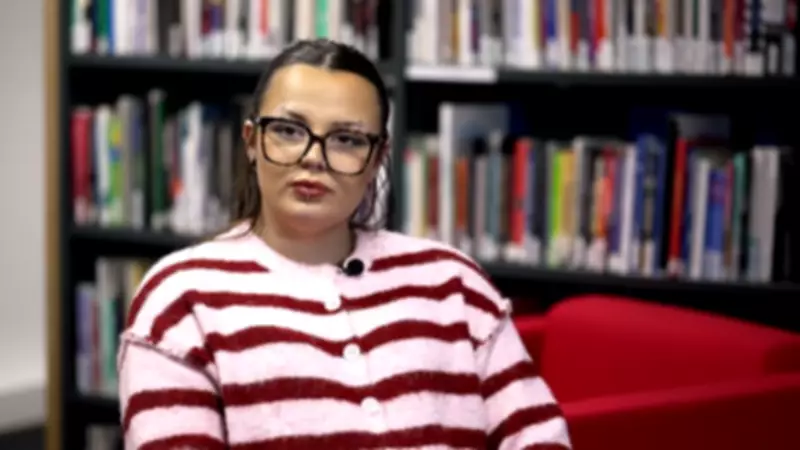
A survivor of online child abuse has bravely come forward to share her story, coinciding with the release of new data that reveals a deeply shocking increase in child sexual abuse material crimes across the UK. Nellie, now 24, was just 14 years old when she sent three nude images over Snapchat, a decision she made partly because it was so normalised among her friends. She believed the platform's safety features would protect her, but the recipient used an external app to download the pictures without triggering any alerts.
Escalation and Fear: The Spiral of Abuse
Six months after the initial exchange, Nellie had moved to a different part of the country and ended the relationship. That's when the messages began. I was waiting to go to school in the morning and I got a message from someone that I used to go to school with saying, 'I just thought you should know this is what's being sent around', and sent me an image of myself, she recounted. Within a week, she was receiving daily messages from people informing her that intimate images were being shared around her school, leading to feelings of embarrassment, shame, and insecurity.
The situation quickly escalated when a stranger contacted her, threatening to blackmail her for more images. It was really, really scary because I didn't know who they were, I didn't know how they'd got the photos, Nellie explained. Feeling overwhelmed and with no one else to turn to, she contacted Childline, the NSPCC's helpline for young people, who advised her to reach out to CEOP, the police agency dedicated to stopping online child exploitation.
Police Investigation and Aftermath
CEOP was so concerned that Nellie might become a target for paedophiles and blackmailers that they contacted her school. This led to her mother being informed and a police report being filed. The investigation lasted two years, during which Nellie surrendered her phone as evidence and tried to focus on her GCSEs and A-levels. Ultimately, the case was dropped due to insufficient evidence for prosecution by the CPS. Despite the ordeal leaving her drained and disappointed, Nellie decided to speak out to help others in similar situations.
Alarming Data on Child Sexual Abuse Material Crimes
Nellie's story emerged as the NSPCC released new data showing a 9% increase in the number of child sexual abuse material crimes. Chris Sherwood, chief executive of the NSPCC, stated that police forces across the UK have received more than 37,000 reports of such offences, equating to around 100 reports per day. Of the 10,811 crimes where a platform could be identified, over 40% occurred on Snapchat, which has repeatedly topped the NSPCC's reports for such incidents and was named the worst social media app for child abuse offences in police data last December.
Nellie criticised the platform, saying, You can't give a social media platform to a load of kids where the whole premise of it is that you can send an image and it disappears and expect no wrongdoing. That's irresponsible. While the rise in crimes may partly be due to increased reporting by companies, the NSPCC warns that these figures represent only the tip of the iceberg, with many thousands of offences likely going unreported.
Calls for Action and Government Response
The NSPCC believes the problem can be solved relatively easily by installing device-level protections on children's smartphones to prevent images from being shared. They are urging phone makers and social media companies to implement such measures and, if they fail, want the government to force action. Jess Phillips, the minister for safeguarding, described the sexual abuse of children online as one of the most disturbing crimes of our time and called the scale of offending deeply shocking. She highlighted government commitments to ban nudification apps and make it impossible for children in the UK to take, share, or view nude images.
In response to the NSPCC's data and Nellie's story, a Snapchat spokesperson said the company works closely with the NSPCC and police to combat child sexual exploitation, arguing that the report does not accurately reflect their efforts and that collaboration across society is essential to address these issues.




