The Rise of Sleep Hysteria: How Wellness Culture Distorts Rest
In recent decades, society has shifted from dismissing sleep to obsessing over it, creating what experts term "sleep hysteria." While historical figures like Margaret Thatcher famously slept only four hours a night, modern science has rightly emphasized sleep's importance for mental and physical health. However, this focus has spiraled into an exaggerated and unhelpful frenzy, driven by the wellness industry's proliferation of trackers, supplements, and sprays.
The Shift from Dismissal to Obsession
Decades ago, sleep was often overlooked, but studies like the 1960s experiment where a student stayed awake for 11 days highlighted severe effects of deprivation, including delusions and irritability. Today, research links sleep patterns to overall well-being, leading to a cultural fixation. In 2017, scientists coined "orthosomnia," describing a fixation on achieving "perfect" sleep, often fueled by advice and tracker data that create anxiety when reality falls short.
The Harmful Impact of Exaggerated Messaging
Prof Roz Shafran and Prof Allison Harvey introduced "sleep privilege" to address how people differ in sleep opportunities, noting that many face disruptions from caregiving, health conditions, or shift work. This can lead to distress over perceived consequences like cancer or early death, despite scientific evidence often showing small or non-causal effects. For instance, the "eight-hour myth" ignores individual variations, causing people to struggle for more sleep than they need, which can fragment rest like stretching dough too thin.
The Pitfalls of Sleep Tracking
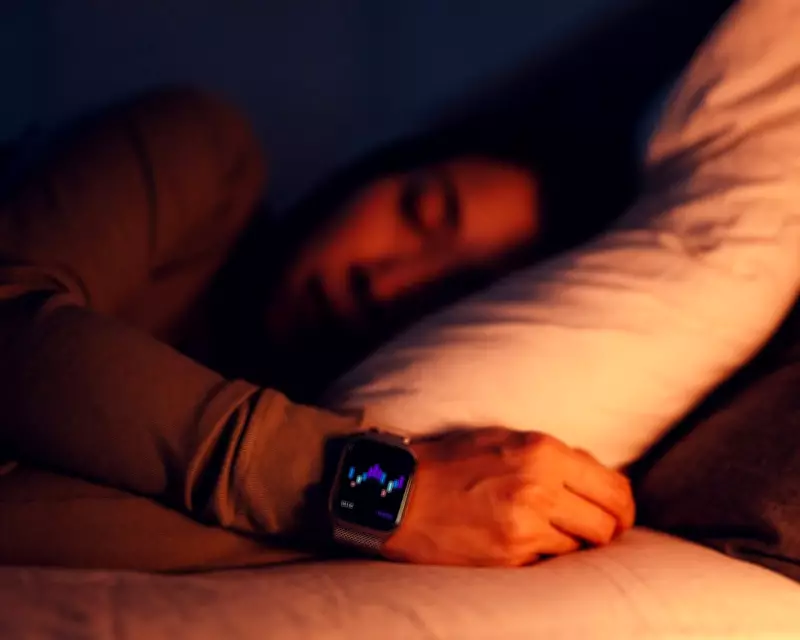
Devices like smartwatches and apps promise to monitor sleep, but they can ironically cause sleeplessness by fostering anxiety over metrics like "core sleep." These trackers, originally developed by scientists, now populate homes and even hospitals, where they've been linked to paranoia in mental health wards. Accuracy issues mean many worries are unfounded, yet the act of tracking itself disrupts natural sleep patterns.
Seeking Balance and Natural Sleep
While real sleep problems exist, solutions like Sleepio, a digital therapeutic app offering cognitive behavioral therapy for insomnia, provide evidence-based help. Available for free in Scotland and soon in England, it represents a positive step. For those without serious issues, experts suggest peeling back unhelpful layers of advice and tracking. Embracing "natural sleep" could become the next health trend, focusing on rest without the hysteria that currently grips society.