Siblings Raised Apart: A Unique Experiment in Nature vs Nurture
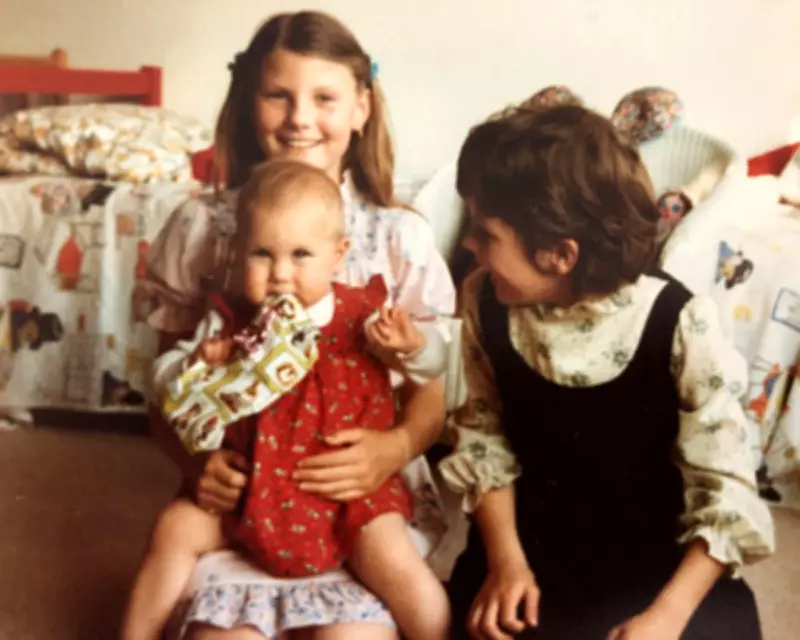
Catherine Carr, alongside her older sister Bex and younger sister CJ, grew up with the same parents but in separate households after their parents' divorce. This unusual upbringing transformed their sibling bond into a compelling case study of nature versus nurture, profoundly influencing their relationships and personal identities.
The Paradox of Sibling Relationships
At the core of sibling dynamics lies a fascinating paradox: children raised in the same family share deep connections through common experiences, yet each navigates a distinct childhood. Birth order theory often explains this, suggesting that personality traits are shaped by one's position in the family. For instance, oldest children benefit from undivided parental attention, while younger siblings face shared resources and more relaxed parenting. However, this theory only scratches the surface of how siblings develop "together apart."
To truly understand sibling differences, we must consider factors like home environment, parental relationships, career pressures, gender expectations, and individual needs. Memory also plays a tricky role, often colored by strong emotions, making it challenging to piece together a coherent shared history. When siblings recount past events, they frequently highlight their own innocence or victimhood, leading to conflicting narratives that require painful recalibration.
A Family Divided: Personal Experiences of Separation
Catherine, as the middle child, experienced a significant shift when her parents separated in the 1980s. At age 11, her mother moved out with CJ, then just six years old, while Catherine and Bex remained with their father in the Netherlands before relocating to the UK. This separation created a small, uncontrolled experiment in nature versus nurture, altering their family unit forever. The trio of sisters became a pair and a de facto only child, disrupting traditional hierarchies.
Living apart in the pre-internet era of the 1990s made maintaining connections difficult. Without modern tools like email or social media, they relied on posted photos and occasional visits, missing out on the mundane glue of daily interactions—like arguing over the TV remote or sharing cereal. This gap led to vastly different realities, from unfamiliar biscuit brands in each other's cupboards to living in different countries with single parents, hindering the knitting together of shared memories.
The Challenges of Non-Shared Environments
Physical separation exemplifies the "non-shared environment" theory, which explains how siblings with shared genetics and homes can turn out so differently. Even in intact families, factors like parental interactions, teachers, and friends vary for each child. Imagine families as rivers: siblings are placed on the stream at different times, experiencing changing conditions as parents age, relationships shift, or traumas occur. For example, a sudden family death affects children at distinct life stages, shaping their grief uniquely.
In Catherine's case, the parental breakup impacted each sister differently based on birth order. At age 11, she felt abandoned by her mother, while six-year-old CJ lost her sisters, home, and father simultaneously. These parallel histories created both shared damage and individual loneliness, with emotions dictated by their ages. Revisiting these events as adults has warped their memories, leading to revelations and apologies as they piece together their pasts.
Forging Adult Bonds Through Shared Reflection
Now in their 40s, Catherine and her sisters have worked to sketch out their pasts, aiming for a more horizontal relationship rather than the vertical hierarchy of childhood. This process involves collaborative pruning of memories, allowing each person's truth to be honored. While siblings are not chosen like friends, these relationships offer unique consolation, with the potential for decades of shared history—up to 83 years of knowing and loving each other.
At a recent family gathering for Bex's 50th birthday, moments glittered with memories of their trio, highlighting how their bonds have flexed over time. The initial vertical relationships have shifted toward peer-like connections, sturdy enough to weather future challenges like ageing parents or grief. The goal is to "catch up" from playmates to independent adults, navigating life's chapters together.
Who's the Favourite? The Loving, Messy Realities of Sibling Relationships by Catherine Carr is published by Oneworld, priced £18.99.