Woman's O-Cup Breasts Continue Expanding Due to Rare Medical Condition
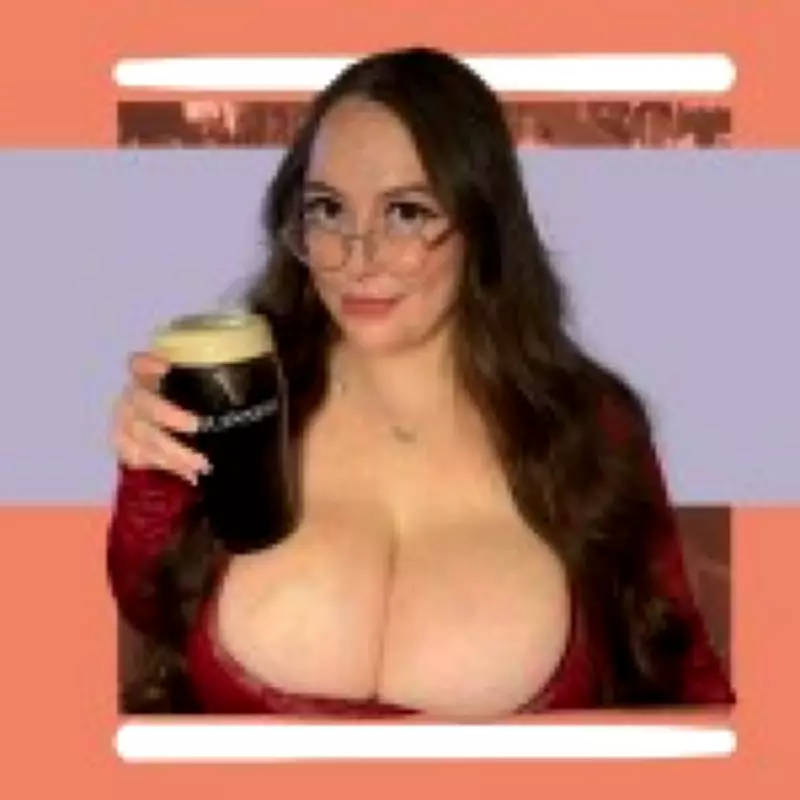
Summer Robert, a 25-year-old woman standing at 4ft 9in, has experienced extraordinary breast growth since childhood, now measuring approximately a 30N or 28 O-cup size. The weight on her chest exceeds four stone (25kg), creating significant physical and emotional challenges throughout her life.
Early Development and School Struggles
Summer's unusual development began at age seven when she needed to borrow a B-cup bra from a friend's mother because her school polo shirt could no longer contain her growing chest. "I was just a walking boob throughout the whole of school," she recalls. "I definitely looked super awkward because I had nothing on me apart from boobs."
During physical education classes, boys would shout "bounce, bounce, bounce" when she ran. At just 13, a teacher commented on her appearance, suggesting she wear a jumper over her shirt because the fabric stretched between buttons. When Summer refused due to summer heat, the teacher sent her to the headmaster, claiming to be "getting too distracted."
Medical Diagnosis and NHS Barriers
Recently diagnosed with gigantomastia—a severe form of macromastia that causes rapid excess breast tissue growth—Summer has seen her breasts increase by ten sizes in just one year. "From 22 to 24, I stayed a K-cup but now they're increasing rapidly in size again," she explains. "That's why doctors think I've got gigantomastia, rather than just macromastia."
Despite this diagnosis and the associated difficulties, the National Health Service has refused reduction surgery because Summer exceeds BMI threshold criteria in Glasgow. Technically categorized as "morbidly obese" due to her breast weight, she faces this barrier despite being a size eight on her lower half.
Understanding the Medical Conditions
Macromastia refers to enlarged breasts in women, commonly affecting teenagers. Symptoms include back, shoulder, and neck pain, difficulty finding properly fitting clothing, skin rashes, and limitations in physical activities. Many affected individuals experience anxiety and decreased body image, though the cause remains unknown.
Gigantomastia represents a more extreme version of this condition, characterized by rapid, excessive breast tissue growth that can become medically significant and life-altering.
Psychological Impact and Harassment
Summer's journey has been marked by persistent public harassment and psychological strain. Walking home from school, she would experience catcalling approximately six times daily. "I'd bring baggy band t-shirts to school to put over my uniform so I could walk home and not get targeted—but I'd still get cat called," she remembers. "I felt like the world was eating me up inside—it was awful."
At age 15, when her breasts grew from a B-cup to DD within months, her mother took her to a doctor concerned about the rapid development. The GP dismissed it as "just puberty," missing the underlying condition.
Employment Challenges and Health Consequences
After leaving school at 16 with double J-cup breasts, Summer worked in hospitality but faced increased sexualization. "I became a chef in my dad's restaurant but I was too over-sexualized, and other chefs were too grabby and handsy," she describes. Returning to waitressing and management roles didn't improve her situation, with one customer putting her in a headlock when she addressed inappropriate behavior.
Medical communications emphasizing her BMI and weight status contributed to developing an eating disorder. "Being told to lose weight was my final straw," Summer admits. "I'd been told I was fat from such a young age... so I thought 'maybe I am overweight.'" She lost a dangerous amount of weight while maintaining her breast size, eventually requiring family intervention to resume healthy eating habits.
Current Reality and Adaptation
At 23, when Summer discovered a breast lump, medical professionals finally acknowledged her need for reduction surgery. A cancer specialist confirmed the lump wasn't cancerous but stated, "you need a reduction—this isn't normal." However, seven months later, the NHS refused the procedure due to BMI criteria.
Summer now wears a doctor-prescribed corset constantly to manage back pain. "If I'm washing up or cleaning my house, I have to wear a bra because of the sheer weight of them," she explains. Swimming provides temporary relief through weightlessness, but returning to land brings immediate discomfort.
Transforming Challenges into Opportunity
Despite physical limitations preventing gym attendance, running, or finding affordable bras (costing approximately £400), Summer has channeled her experience positively. Known as Scotch Dolly, she became an OnlyFans creator at 23 following colleague suggestions after enduring customer harassment. Last month alone, she earned £70,000 through the platform.
"When I first started there was one bikini picture of me and I made £800 in one day," she notes. "I used to make that in two weeks." Surprisingly, three former teachers have subscribed to her account.
Now when catcalled publicly, Summer responds by directing attention to her OnlyFans. "When I was younger I hated the attention but now I just think they could be a potential buyer," she says. "My subscribers aren't creepy, they genuinely love my breasts and support me."
Message to Others Facing Similar Struggles
With newfound confidence, Summer encourages young women experiencing similar challenges to "focus on themselves." She emphasizes, "Blame the clothes companies if nothing fits you, big boobs are beautiful and there's nothing wrong with your body."
Her story highlights the complex intersection of rare medical conditions, healthcare system limitations, body image issues, and personal resilience in navigating extraordinary physical circumstances.