NHS Chief Slams Doctors' Six-Day Easter Strike as 'Deliberately Timed Havoc'
Sir Jim Mackey, the chief executive of NHS England, has launched a scathing critique of the ongoing six-day walkout by resident doctors, formerly known as junior doctors, accusing the industrial action of being "deliberately timed to cause havoc" during the Easter holiday period. In a strongly worded statement, Mackey emphasized that hospitals across England are grappling with severe staffing shortages as they attempt to fill rotas while many staff members are away for the Easter break.
Strike Disrupts Hospital Operations Amid Holiday Season
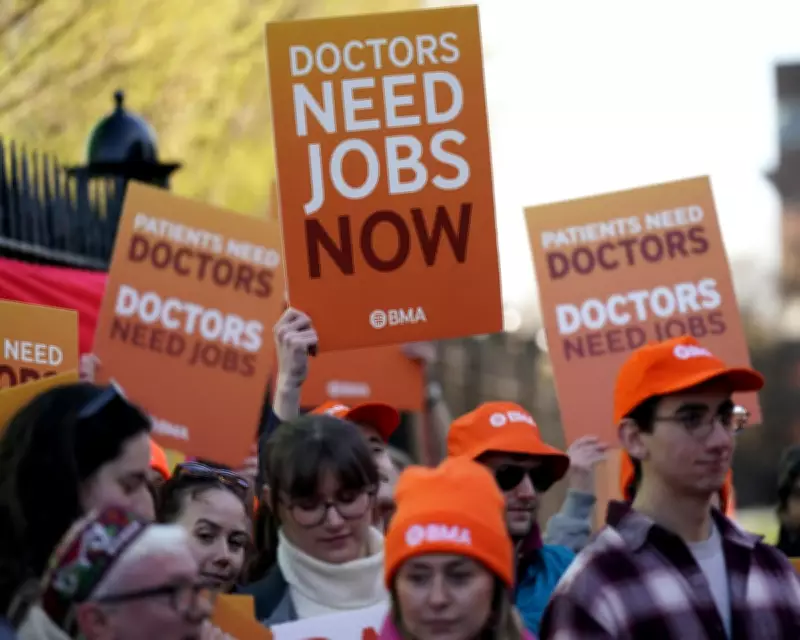
The strike, which began recently and marks the second day of the six-day action, represents the longest walkout yet in the protracted dispute between the British Medical Association (BMA) and the government over pay and working conditions. This is the union's 15th strike since March 2023, with thousands of resident doctors participating in the protest. Mackey highlighted in a letter to NHS bosses that the timing of the strike, coinciding with the Easter holidays when most schools in England remain closed, has made it exceptionally challenging for hospitals to maintain adequate personnel levels compared to previous walkouts.
Despite these difficulties, Mackey acknowledged that hospitals have managed to "keep the show on the road" by continuing to provide as much planned care as possible. NHS England aims to ensure that at least 95% of such care proceeds during strikes, and Mackey expressed gratitude to staff for their efforts in contending with the pressures over the next five-plus days. However, he warned that the action risks undermining recent progress in improving waiting times for care and public satisfaction with the health service.
BMA Defends Strike Amid Pay Restoration Demands
The BMA's resident doctors committee called for the strike on 25 March, citing the government's alleged sudden change in terms for a potential deal to end the dispute. The union is demanding a 26% pay rise over the next few years to achieve "full pay restoration", arguing that this is necessary to compensate for the erosion in the real-terms value of doctors' salaries since 2008-09. Dr. Jack Fletcher, chair of the committee, accused the Department of Health and Social Care (DHSC) of reneging on an agreed plan to provide significant pay rises through extra "progression pay", linked to faster movement through pay bands.
According to the BMA, peace talks were progressing well until the government shifted the goalposts in recent weeks, leading to the breakdown in negotiations. The DHSC had proposed spreading a £700 million payment over three years, rather than sooner as the union expected, prompting the resident doctors committee to walk away from talks and proceed with the strike. This ongoing conflict highlights the deepening rift between healthcare professionals and government officials over fair compensation and working conditions in the NHS.