Family Tragedy Unfolds in Manchester Home
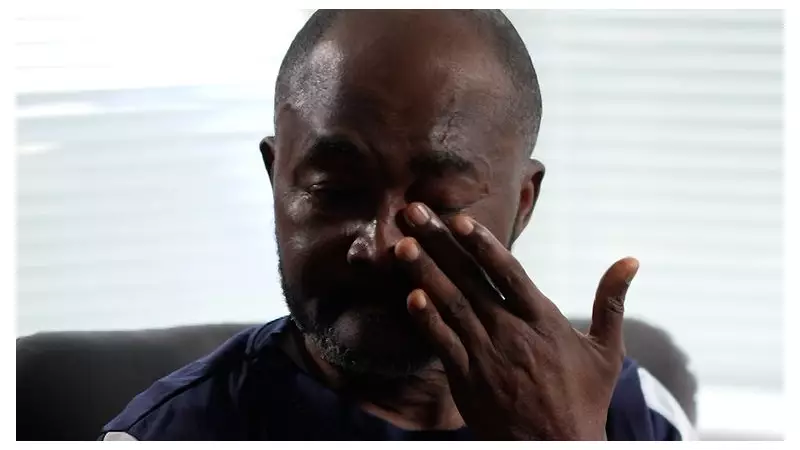
Joshua Obinim still struggles to comprehend the horrific events of last August that tore his family apart. The 64-year-old recalls lying on the floor, desperately pleading with his own son not to take his life. "I was begging him not to kill me, because he knows how much I love him," Joshua remembers. "I was lying on the floor and he wasn't giving in."
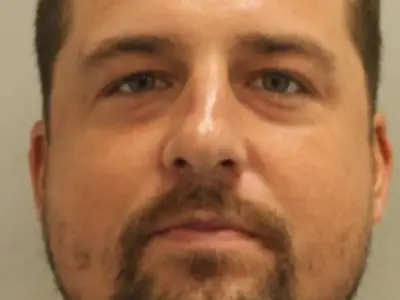
What began as an ordinary day in their Manchester home turned into a nightmare when Joshua's son Benjamin, then 22, launched what a judge would later describe as a 'rampage of violence'. Benjamin burst into the family home armed with a large kitchen knife, stabbing his mother Alberta 16 to 17 times, killing her instantly.
Joshua woke to the sound of screaming and confronted his son outside his daughter's bedroom. "I saw my son outside the door of my daughter with a knife, so I asked what was going on," he says. "Usually he is someone who listens to me. I just said, 'give me the knife'. I stretched forth my left hand, I held the blade and then he said 'don't try it'.
Violent Attack Leaves Family Shattered
As Joshua ran outside seeking help from neighbours, Benjamin intercepted him. "He just came and met me there and then he cut my head, so blood was just gushing out, then he went into my belly," Joshua recounts. During the attack, Benjamin also wounded his younger sister Bernice, then 18, who attempted to barricade herself in her bedroom before jumping from a window to escape.
Police found Benjamin sitting in his car nearby with a blood-stained knife. He was arrested and four days later was detained under the Mental Health Act. The tragedy was compounded by Benjamin's previous character - described by his father as the "kind of son every parent would love to have" with a "bright future ahead of him".
From Promising Student to Mental Health Crisis
In the weeks preceding the attack, Benjamin's behaviour had undergone a dramatic transformation. He began experiencing hallucinations and developed a paranoid fear that he was being controlled by others. He became convinced that his mother and sister were witches who had implanted a device in his chest and were trying to kill him.
The family, devout Christians from Manchester's Ghanaian community, responded to these changes by praying together. "I never even thought it was a mental thing," Joshua admits. "I thought he was demonised, that the demons had come to attack him." On the day she was killed, Alberta had even voiced concerns about Benjamin's mental health at their church, but he never saw a doctor about his symptoms.
Joshua suffered multiple injuries to his head, face, neck, chest, abdomen, both arms and his left leg during the attack. He was placed in an induced coma and upon waking, received the devastating news that his wife had died.
Mental Health Diagnosis and Spiritual Conflict
After being detained under the Mental Health Act, Benjamin was diagnosed with paranoid schizophrenia. Experts agreed he was suffering from the condition at the time of the attack. Benjamin pleaded guilty to the manslaughter of his mother by reason of diminished responsibility, and to wounding with intent of his father and sister.
The judge ruled that Benjamin should continue to be detained at Ashworth High Security Hospital indefinitely. The court heard evidence from Dr Ronan Brennan, a consultant forensic psychiatrist, who confirmed that Benjamin's mental health disorder was the sole reason for the attack.
With time to reflect, Joshua now regrets not recognising the signs of mental illness. "I had never heard about schizophrenia before," he says. "I thought what was happening to Benjamin was purely spiritual."
Bridging Faith and Mental Healthcare
Bishop Tony Parry, senior pastor at the New Testament Church of God in Leeds, explains that belief in demonisation is rooted in biblical teachings. "If you read the Bible, you will see a number of occurrences where people were, as the Bible would describe it, 'filled with demons' and they were delivered by Jesus," says Bishop Parry.
However, he and other church leaders have undergone training as mental health first aiders and now encourage people to seek professional help alongside prayer. "Mental illness is a reality in the world that we live in," Bishop Parry acknowledges. "There are some who are really poorly and then need medical intervention."
Dr Gwen Adshead, a consultant forensic psychiatrist and member of the Royal College of Psychiatrists's spirituality special interest group, emphasises the importance of considering spiritual backgrounds in mental health treatment. "We pay a lot of attention to people's spiritual, religious, and cultural backgrounds because they have a big impact on how people talk about themselves but also interpret their experiences," she says.
Moving Forward with Forgiveness and Awareness
Bernice, who was 18 during the attack, has needed plastic surgery and was left with what the court heard is 'significant long-term physical and psychological scarring'. Joshua continues his recovery, supported by his fervent faith that helped him come to terms with the tragedy.
The house where the Obinims now live is lined with pictures of happier times, with framed photographs of Alberta taking pride of place. "She was a very good mother, she did everything possible for her children to be happy," Joshua reflects. "When she's at home it's like there is life at home."
Despite everything, Joshua's message to his son is one of forgiveness, deeply connected to his faith. "What I would say to him is that he should be able to forgive himself and he should remember that we have not stopped loving him," Joshua says. "We have forgiven him, so he should forgive himself."
Joshua now shares his story beyond his close-knit community, hoping to raise awareness about mental health. "We have to be open minded," he advises other spiritual families. "Praying for someone to get healed doesn't mean the person does not need medical attention. If I knew, I would have done both together."