London CEO's Life Transformed by Single Step at Oxford Circus
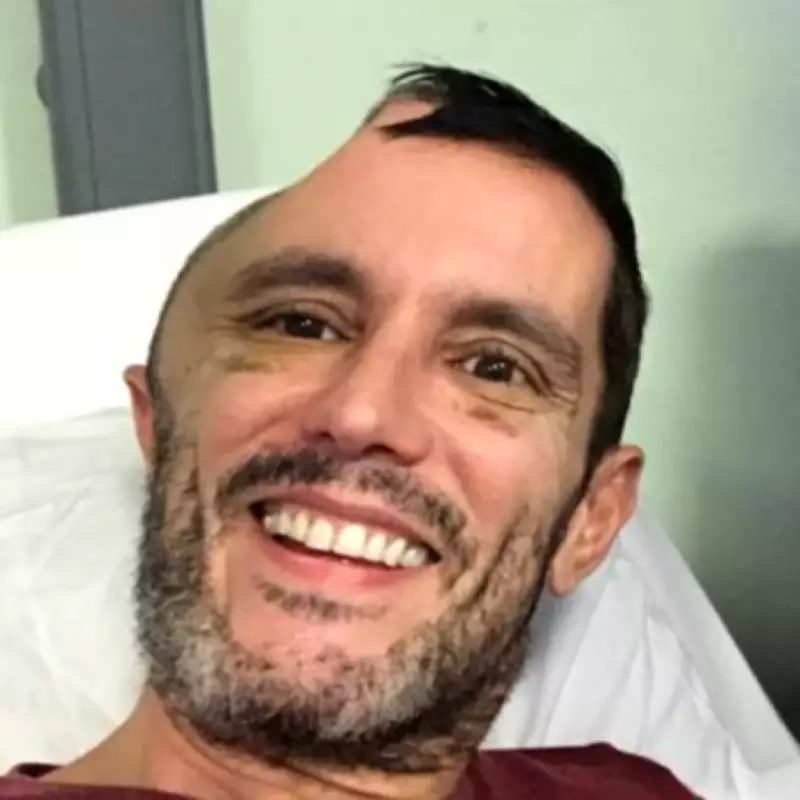
Alastair Wallace, a 51-year-old London resident, experienced a life-altering accident after missing just one step at Oxford Circus Tube station in 2019. The Willesden Green man woke up days later in intensive care with part of his skull surgically removed, having suffered a severe traumatic brain injury that would reshape his existence.
Medical Crisis and Unconventional Solutions
Following the fall, Wallace spent two weeks hospitalized and was required to wear a protective BMX helmet. He subsequently developed a cerebrospinal fluid leak, necessitating regular needle drainage by neurosurgeons. In an innovative approach, Wallace began wearing a swimming cap for twelve months to contain the fluid, describing the experience as "very uncomfortable" and requiring him to sleep at a 45-degree angle.
Remarkably, Wallace went on a fourth date while wearing the swimming cap, noting that his companion looked beyond his appearance. The couple became engaged in January of the following year, demonstrating resilience in the face of adversity.
Long-Term Medical Interventions and Challenges
After a year of the swimming cap solution, medical professionals installed a ventriculoperitoneal shunt to permanently drain excess cerebrospinal fluid from his brain to his abdomen. Wallace explained the device functions "like a drainpipe that runs down the back of my skull into my stomach cavity."
Unfortunately, during the shunt insertion, medical staff accidentally damaged a nerve controlling his right eyebrow. This presented significant challenges for Wallace in his role as CEO of a leadership training and consultancy company, where first impressions and confidence in appearance are crucial for client-facing work.
Sensory Loss and Recovery Journey
The Brent resident also lost his sense of smell following the accident but managed partial recovery through olfactory training using lemon, eucalyptus, clove, and rose scents. As an enthusiastic chef and food lover, regaining this sense represented important progress toward reclaiming his identity.
Wallace reflected on the gradual improvement, stating "My sense of smell is never going to be what it was but it's definitely better than directly post-accident. It took some time and it was quite a frustrating process, but practice makes better, not perfect."
Finding Support and Purpose Through Advocacy
During recovery, Wallace connected with brain injury charity Headway, which provides essential services to survivors, caregivers, and families. He attended events with Headway West London, finding community among others with similar experiences.
"One of the reasons I was drawn to Headway is unless you've had a brain injury, nobody really understands what it's like," Wallace emphasized, highlighting the importance of specialized support networks.
Transforming Trauma into Inspiration
The experience ultimately led Wallace to achieve a personal goal: delivering a TEDx Talk titled 'Falling Forward: How Catastrophe Forged Connection.' In his presentation, he explores identity reconstruction following trauma, questioning "who was I now, with a smashed in skull, a fuzzy brain and this fear that I couldn't seem to shake?"
Wallace concluded with profound insight about human resilience: "This journey taught me that we're not our polished social media profiles or our job descriptions; we're who we become when things fall apart a bit." His story continues to raise awareness about brain injury recovery while demonstrating remarkable personal transformation.