Meningitis Outbreak at Kent University: Three Cheerleaders Hospitalized as Cases Rise
The University of Kent is grappling with a serious meningitis outbreak, with three members of the university cheerleading society now hospitalized due to confirmed cases. Olivia Parkins, an 18-year-old classical civilisations student and cheerleading society member, revealed this development to the Press Association, highlighting the direct impact on her peer group.
Rising Case Numbers and Student Concerns
According to the UK Health Security Agency (UKHSA), the number of meningitis cases linked to the Kent outbreak has increased to 27, up from 20 previously reported. This update was announced on Thursday, March 19, 2026, underscoring the escalating health crisis on campus.
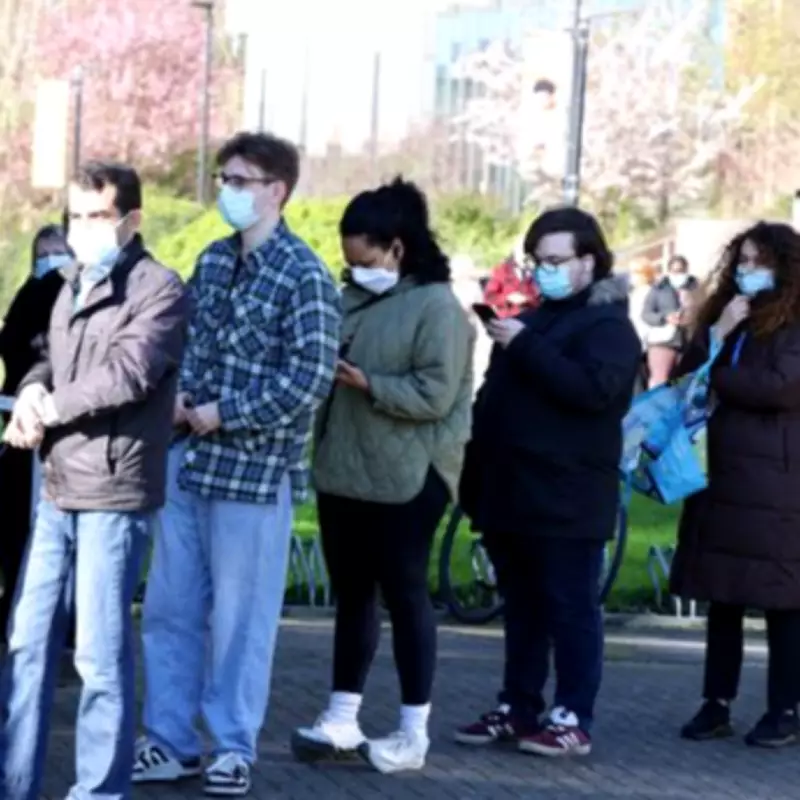
Olivia Parkins, who attended the campus on Thursday morning to queue for a vaccine, shared her firsthand experience. "I know quite a lot of people who are in hospital with it – a lot of people from the cheerleading society which I’m part of," she stated. "I also live in the block where the outbreak happened. It was one of the two blocks that had to come in to get antibiotics."
Parkins, who was at her home in Bromley when she learned about the outbreak, confirmed she has been in contact with the hospitalized cases and noted, "So far they’re OK." She praised the "good communication" surrounding the outbreak, but other students expressed significant concerns.
Student Reactions and Safety Measures
Paris Summer, a 22-year-old psychology student from Twickenham, voiced frustration after receiving the vaccine. "They just don’t really seem very prepared," she said, referring to the university's response. "I feel like, surely, they knew before someone actually ended up passing away. I feel like we could have found out a lot sooner." This comment follows two deaths previously linked to the outbreak, amplifying student anxiety.
Aarohi Gupta, a 21-year-old economics student from High Wycombe, echoed these sentiments. "It was very scary, very worrying. Obviously, we didn’t really know what to do," she explained. "And the uni hadn’t really told us much. So, I think that was extra concerning. We found out when the rest of the public did."
In response to the outbreak, some students have taken proactive safety measures. Tumi, a 20-year-old computer science student at the University of Kent, decided not to return home to prevent potential spread. "Because I think if everyone leaves you kind of, if you’re carrying it, you don’t know, then you take it to your hometown," she reasoned. "I just don’t think it’s quite safe, so I’ve just decided to stay here." Tumi chose not to provide her surname, reflecting the personal nature of her decision.
Ongoing Response and Implications
The meningitis outbreak at the University of Kent has prompted a coordinated public health response, with vaccines and antibiotics being administered on campus. However, the hospitalization of three cheerleaders and the rising case count highlight the urgency of the situation.
Key aspects of the outbreak include:
- Hospitalized Individuals: Three cheerleaders from the university society are confirmed to be in hospital.
- Case Increase: Total cases have risen to 27, according to UKHSA data.
- Student Actions: Some students are opting to remain on campus to mitigate spread.
- Communication Issues: Multiple students reported delays in being informed about the outbreak.
As the situation develops, students and health authorities continue to monitor the outbreak closely, with a focus on containment and support for those affected. The community remains on high alert, balancing safety protocols with academic responsibilities.