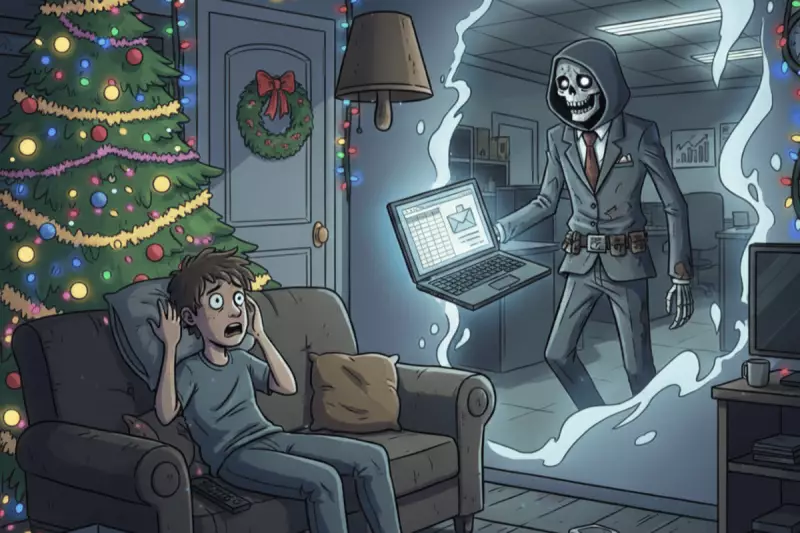
Forget Blue Monday. The most daunting day of the year for many professionals across the UK may well be the Sunday before returning to the office after the Christmas break. This specific brand of pre-week dread, known as the Sunday Scaries, is set to reach a peak on Sunday 4 January 2026.
The Rising Tide of Pre-Work Anxiety
This phenomenon is far from uncommon. In fact, data from 2025 revealed a significant surge in public anxiety, with Google searches for the term 'Sunday Scaries' increasing by 84 per cent year-on-year. The unique pressure of resuming work after a festive hiatus amplifies this feeling, creating what some are calling the ultimate Sunday Scary.
The sensation is familiar: a creeping sense of dread that disrupts an otherwise peaceful Sunday evening, heralding a wave of emails and obligations. To help navigate this challenging transition, insights have been gathered from executive coaches, mindfulness specialists, and seasoned commentators, culminating in five actionable strategies of varying practicality.
Five Strategies to Reclaim Your Sunday
1. Reframe Your Mindset
Executive coach Angela Cox identifies a root cause of the Sunday Scaries as the fragmentation of identity between our professional and personal selves. She notes that the cumulative pressure to perform and please erodes self-esteem, a fact that becomes starkly clear during time away from the office.
Cox proposes a foundational exercise: establishing your 'self-value baseline' by listing 100 things you genuinely appreciate about yourself. "The fewer you can write," Cox explains to City AM, "the more likely your sense of worth depends on external validation, which makes work feel heavier and more threatening." If the list proves difficult, the solution may involve a degree of positive self-deception through affirmations to initiate a crucial mental shift.
2. Schedule Positive Reinforcement
Behavioural psychology suggests that planned rewards can effectively retrain your brain's response. By scheduling specific treats for both Sunday and Monday—whether a favourite lunch or a special coffee—you can begin to associate the start of the week with positive anticipation.
Angela Cox encourages actively seeking out "glimmers" or small moments of joy within the workday itself. Challenging the notion that Mondays must be inherently miserable is key. The goal for 2026 could be to redefine the start of the week entirely.
3. Soothe Your Nervous System
According to empowerment coach Sophie Jane Lee, the Sunday Scaries are not merely a mindset issue but a physical nervous system response to anticipated stress. "By Sunday afternoon, the body is already anticipating the stress of the week ahead," Lee states. This triggers a cortisol spike, leading to physical symptoms like a tight chest and racing thoughts.
This is where the much-discussed vagus nerve comes into play. As the longest cranial nerve, stimulating it is promoted by wellness experts as a method to reduce stress and induce calm. Techniques to achieve this range from singing and specific eye movements to cold water immersion, offering a physical counterbalance to psychological dread.
4. Adopt a Power Pose
For anxiety stemming from a lack of confidence in the workplace, communication coach Dominic Colenso advises using the body to influence the mind. Instead of trying to think your way into confidence, he recommends adopting 'power poses' to signal safety and control to your brain.
Simple adjustments like placing both feet firmly on the floor, uncrossing your arms, resting hands visibly on a table, and lifting your chest can have a tangible calming effect on the nervous system. It’s a physical hack for a mental challenge.
5. Gain a Reality Check
When mindfulness and cold plunges aren't appealing, a stark dose of perspective can be surprisingly effective. In the bubble of a 9-5 routine, it's easy to lose sight of the bigger picture. Remembering that an office job is far from the worst fate can be a sobering antidote to anxiety.
For a genuine shock, one might examine the latest UK employment figures. Such a comparison could swiftly reframe your own professional situation, potentially transforming Sunday night dread into a moment of earnest gratitude for stable employment.
Preparing for the Inevitable
As January 2026 approaches, the collective anticipation of the return to work looms. With search trends indicating a growing struggle with work-related anxiety, these expert tips—from cognitive reframing with Angela Cox to physiological resets suggested by Sophie Jane Lee—offer a multifaceted toolkit. The battle against the Sunday Scaries may require both mental tricks and physical interventions, but the goal is clear: to start the new year not with dread, but with a sense of prepared resilience.