The national director of the progressive Working Families Party has declared the "time has come" for a serious third-party movement in the United States, following a year of significant electoral gains and growing voter disenchantment with the two major parties.
A Movement Meeting Its Moment
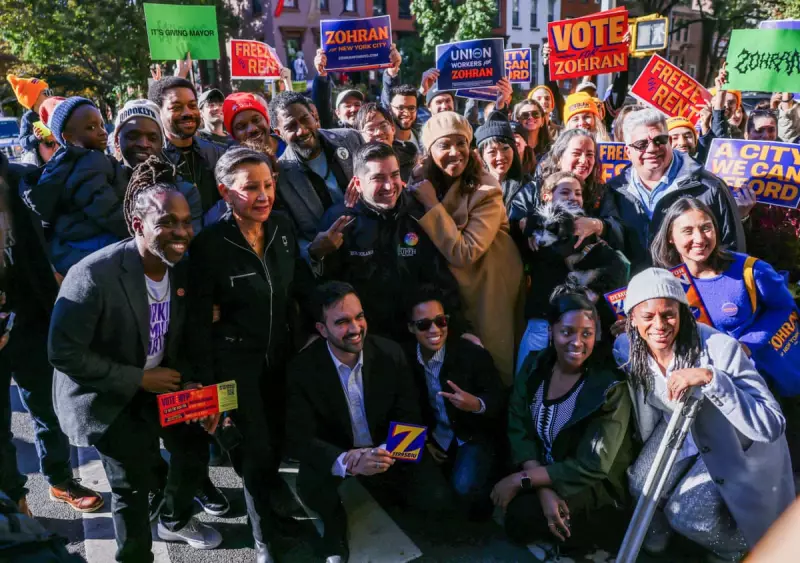
Maurice Mitchell, the party's national director, stated that after 26 years of groundwork, the party's argument for a new political home has finally aligned with the public mood. "The argument has met the moment," Mitchell asserted. Founded in 1998, the party has recently celebrated high-profile successes, including playing a pivotal role in the election of Zohran Mamdani as Mayor of New York City and helping to abolish a controversial ballot system in New Jersey that favoured party insiders.
The party's influence is expanding beyond traditional progressive strongholds. It has seen endorsees win races in cities like Dayton, Ohio, and Buffalo, New York, demonstrating a broader appeal. With an eye on next year's midterm elections, the party plans to intensify its involvement in primary contests, backing candidates who champion working-class issues and challenge the political establishment.

Building a Multiracial Party for Workers
The Working Families Party defines itself as a multiracial organisation fighting for "workers over bosses and people over the powerful." In practice, it often supports insurgent candidates running in Democratic primaries, focusing on platforms of economic affordability, workers' rights, social safety net expansion, and democratic reform. Mitchell summarised their pragmatic strategy: "We cook what we have in the kitchen."
This growth is partly fuelled by declining identification with the Democratic and Republican brands. "The brand of the Democratic and the Republican parties are underwater consistently," Mitchell argued. He sees a historic opening for a party that speaks directly to everyday working people. The party is now active in 18 states, appears directly on ballots in three (New York, Connecticut, Oregon), and boasts over 600,000 members and more than 100 staff.
Strategic Wins and Cultural Engagement
The party's victory in New York's mayoral race was a textbook example of its strategy. It formed a cohesive slate early to avoid splitting the progressive vote, mobilised volunteers for city-wide canvassing, and used independent expenditure groups for targeted advertising. The result was striking: more people voted for mayor on the Working Families ballot line than on the Republican line.
In New Jersey, years of campaigning led to the abolition of the so-called "line" system in 2024, a practice that gave party bosses undue influence. This reform has already allowed multiple Working Families-aligned candidates to secure election. Katie Brennan, one such successful candidate, noted voters are "tired of a broken system" and are increasingly familiar with the party's alternative.
Beyond traditional politics, the party engages in cultural outreach. Strategy director Nelini Stamp has initiated projects like the "Real Housewives of Politics" to connect with Bravo TV fans and organised Dungeons & Dragons nights. Mitchell now views cultural engagement not as a distraction but as the "main event" for building political identity.
Looking ahead to 2026, the party believes a nationwide wave for the left is possible and is aggressively recruiting state legislature candidates. It aims not merely to flip chambers from red to blue, but to "from red to Working Families orange." It has already announced primary challengers in several congressional districts and launched a new recruitment drive targeting opponents of data centres. "I believe that our time has come," Mitchell concluded.