The French Sunday Phenomenon: Embracing Leisure and Love
In an era dominated by relentless productivity and digital overload, a charming trend has emerged from across the Channel: the French Sunday. This concept advocates dedicating one day each week to a relaxed, Gallic-inspired routine focused on sex, strolling, and simple pleasures. Inspired by France's cultural ethos, it promises a pathway to improved health and happiness by reclaiming the art of leisure.
What Exactly Is a French Sunday?
At its core, French Sunday is less about strict rules and more about cultivating a state of mind—finding your "inner Frenchness" on the traditional day of rest. While its viral popularity is recent, the idea echoes ancient traditions, even biblical references to sanctifying the seventh day. However, this modern interpretation blends secular French lifestyle elements with a touch of romanticism, emphasizing indulgence over obligation.
Key elements include:
- Sleeping in late and savoring a leisurely breakfast with coffee and pastries.
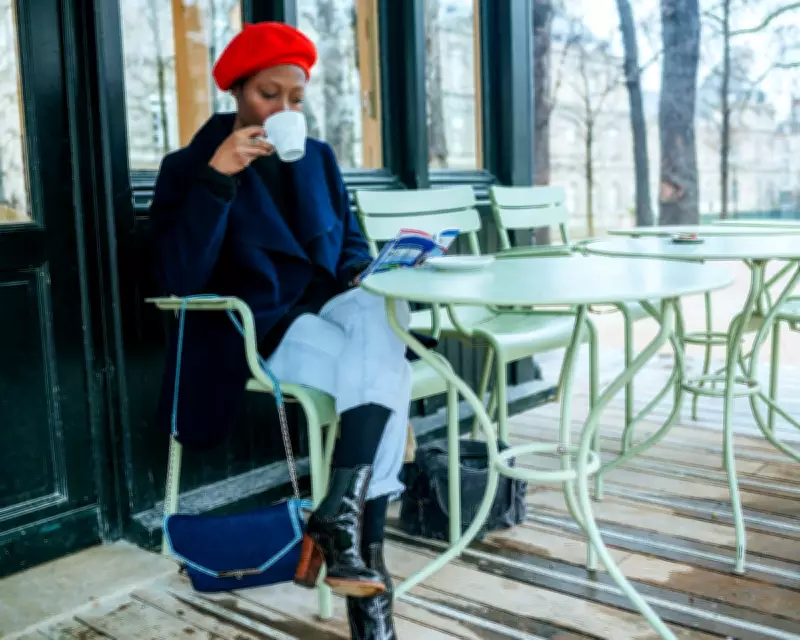
- Engaging in aimless strolling, known as flânerie, to unwind and observe.
- Preparing slow-cooked meals, like a whole roasted chicken with lemon, that demand time and attention.
- Visiting museums or galleries to appreciate art without analytical pressure.
- Prioritizing intimacy and relaxation, including making love, as highlighted in trends like Emily in Paris.
The Cultural Backdrop: How France Does Sundays
Traditionally, France treats Sundays as sacred, with many shops closed and activities centered on family and rest. Céline Kaplan, a PR for French clients in New York, notes, "Even protests in France happen every day except Sunday," underscoring the day's cultural significance. This reverence extends to anecdotes like a Louvre heist on a Sunday morning, when the country was "still asleep," illustrating how deeply ingrained this day of pause is in French society.
However, the trend isn't about rigidly copying French habits. Instead, it encourages adopting a mindset that values downtime, creativity, and connection. As Kaplan points out, it's about avoiding work, planning, and productivity to let thoughts flow freely—a counterbalance to our hyper-scheduled lives.
Why Embrace a French Sunday?
Proponents argue that dedicating a day to such activities can boost mental and physical well-being. By reducing stress and fostering mindfulness, individuals may experience greater happiness and resilience. The trend aligns with broader wellness movements that prioritize self-care and work-life balance, making it accessible to anyone seeking a healthier lifestyle.
To adopt this trend, consider:
- Setting aside Sundays for unstructured time, free from digital distractions.
- Incorporating elements like cooking, strolling, or cultural visits into your routine.
- Embracing spontaneity and pleasure, whether through intimacy or artistic appreciation.
Ultimately, French Sunday is a reminder that sometimes, the best way to recharge is to do nothing at all—with a touch of Gallic flair. As the trend spreads, it invites us all to slow down and savor life's simple joys, one Sunday at a time.