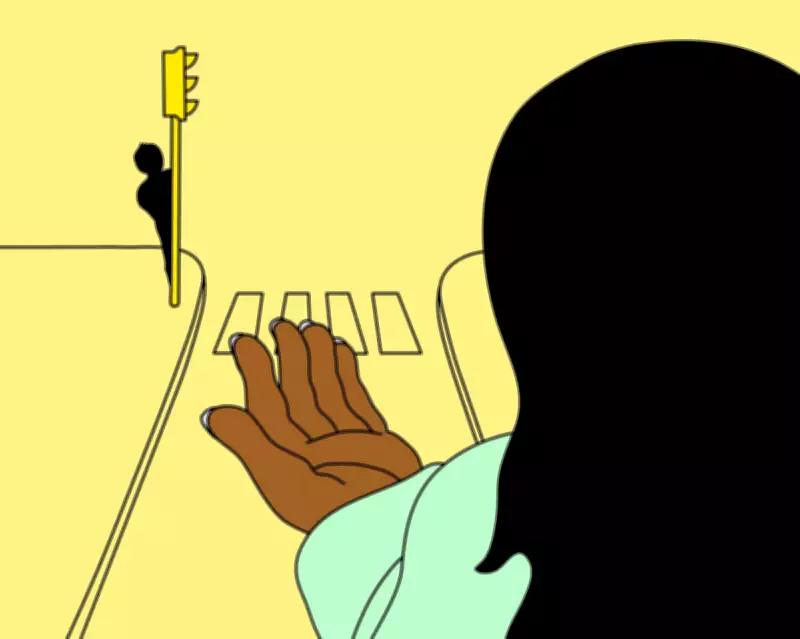
Public Hand-Holding Debate: A Couple's Affection Clash Goes Viral
In a relationship dilemma that has captured public attention, Chantelle and Hugo, a couple together for five years, are at odds over a simple yet emotionally charged issue: holding hands in public. This disagreement, detailed in a recent feature, highlights broader themes of affection, personal comfort, and compromise in modern partnerships.
The Prosecution: Chantelle's Desire for Affection
Chantelle expresses a strong desire for Hugo to show more physical affection, particularly through hand-holding when they are out together. She notes that friends and family have noticed their lack of this gesture, turning it into a running joke. For Chantelle, hand-holding is a small but meaningful act that reassures her about the relationship's strength.
She attributes Hugo's reluctance to his boarding school upbringing, contrasting it with her own huggy family background where she still holds her mother's hand. Chantelle admits that seeing other couples hold hands in groups bothers her, leading her to urge Hugo to "man up" on occasion. While Hugo has occasionally held her hand during stressful moments like moving house or on special occasions like anniversaries, these instances are rare and often feel transactional.
Chantelle emphasizes that she does not want to guilt-trip Hugo but believes more frequent hand-holding would make her feel more secure. She recalls a photo taken by friends when Hugo once held her hand, highlighting how unusual the sight was.
The Defence: Hugo's Discomfort with Public Displays
Hugo, on the other hand, finds hand-holding annoying and impractical. He cites issues like sweaty hands and the logistical challenges of navigating streets while connected. More deeply, he feels embarrassed by public displays of affection in front of friends and family, a discomfort he links to his boarding school experience where affection was minimal.
Despite this, Hugo asserts that he shows love in other ways, such as being chivalrous, handling bills, and expressing verbal affection daily. He views Chantelle's insistence on hand-holding as performative, especially in social settings, and worries it might make others feel like third wheels. Hugo acknowledges being unfair at times but sees hand-holding as a currency for scoring "brownie points," which he avoids to maintain his resolve.
Guardian Readers Weigh In as Jury
A panel of Guardian readers offered diverse perspectives on the conflict:
- Rhiannon, 32: Argues that Chantelle has the right to request affection, and Hugo should compromise by breaking his family's cycle of limited physical touch.
- Max, 33: Criticizes Hugo for withholding affection transactionally, suggesting it prioritizes his comfort over Chantelle's needs.
- Jack, 20: Encourages Hugo to step out of his comfort zone, noting that Chantelle's desire, while performative, is innocuous and important to her.
- Leah, 41: A former boarder, she empathizes with Hugo but sides with Chantelle, urging her to reduce pressure so Hugo can learn to enjoy affection.
- Annie, 49: Suggests that some people naturally dislike physical touch and that the couple should find alternative ways to demonstrate love.
The debate extends to an online poll asking whether Hugo should hold Chantelle's hand, with results pending. Last week's poll on a different topic showed a close split, indicating how personal such dilemmas can be.
Broader Implications for Relationships
This case underscores common relationship challenges around affection and boundaries. It raises questions about how upbringing influences physical intimacy and the balance between personal comfort and partner needs. As readers engage with the story, it sparks broader discussions on compromise and communication in partnerships.
Ultimately, the hand-holding debate between Chantelle and Hugo serves as a microcosm for larger issues in modern relationships, where small gestures can carry significant emotional weight. Whether through hand-holding or other acts, finding mutual ground remains key to navigating such conflicts.