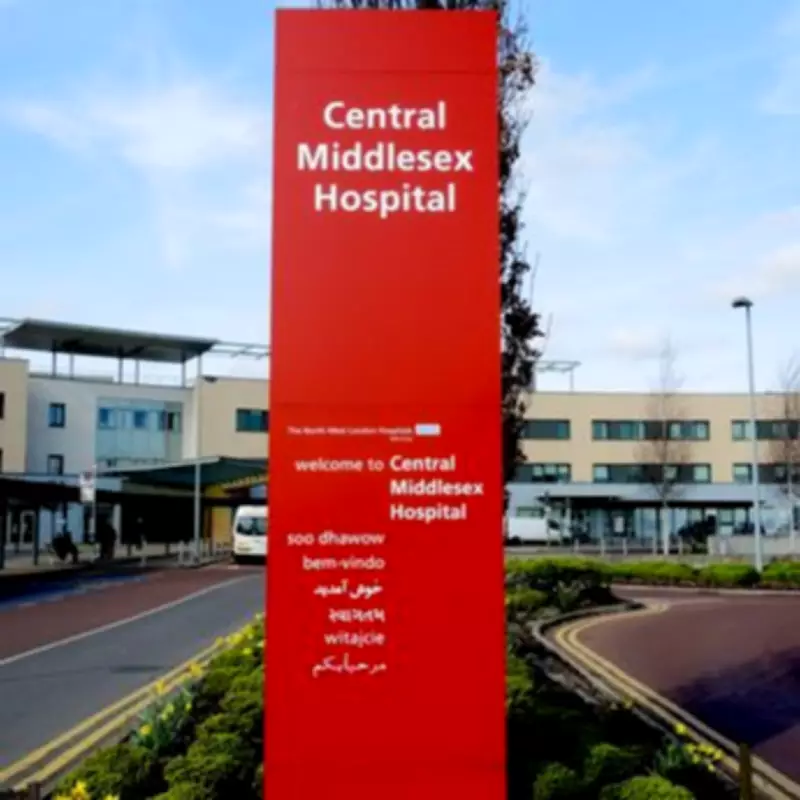
Council Faces Backlash Over Hospital Urgent Care Hours Reduction
Brent Council has been accused of "failing residents" following significant cuts to urgent care hours at Central Middlesex Hospital in North London. The London North West University Healthcare NHS Trust implemented changes earlier this month that reduced the Urgent Treatment Centre's operating hours by 21 hours per week, sparking widespread criticism from opposition parties and community members.
Details of the Service Reduction
Effective February 1, the urgent care facility at Central Middlesex Hospital now operates from 8am to 9pm daily, representing a substantial reduction from previous 24-hour service. The NHS Trust announced these changes on February 2, one day after implementation, leaving many residents unaware of the reduced hours until after they took effect.
The Trust justified the decision by citing low attendance numbers during late-night hours, stating that only about four patients per hour visited between 9pm and midnight. According to official statements, many of these patients could have received appropriate care from their general practitioners or local pharmacies instead of utilizing the hospital's urgent care services.
Political Criticism and Community Response
Opposition leaders in Brent have launched scathing critiques of the council's handling of the situation. Councillor Mary Mitchell, Leader of the Brent Green Party, accused the administration of maintaining "a pattern of glossing over residents' concerns" and criticized what she called the "gradual erosion of NHS care for Brent residents."
Councillor Paul Lorber, Leader of the Brent Liberal Democrats, echoed these concerns, stating: "The Labour Council have failed once again to hold the NHS to account for their decision to reduce hours at the Urgent Treatment Centre." He specifically criticized the council for not utilizing its Health and Wellbeing Scrutiny Committee to properly examine the changes and advocate for residents.
Community Engagement and Petition
Prior to the implementation, the NHS Trust conducted two public engagement events in October 2025 to gather community feedback. Trust officials reported that these consultations "did not result in any substantial or widespread objections" to the proposed changes.
However, community members presented a different perspective. A petition signed by 570 residents called on the council to thoroughly examine the proposals, arguing they were "bad for patients, bad for staff, and bad for the NHS as a whole." When presenting this petition last month, community representative Zengha Wellings Longmore asserted that local health services had "already been cut back too far."
Communication Failures and Transparency Concerns
Critics have highlighted multiple communication failures surrounding the changes:
- The hospital website failed to reflect the new hours on the implementation date
- The NHS Trust delayed its official announcement until after changes took effect
- Brent Council maintained what opponents called a "silent" response to the reductions
- Residents reported significant confusion about service availability following the changes
Despite repeated requests for comment, Brent Council did not respond to inquiries about the urgent care hour reductions or the criticism from opposition parties and community members.
Broader Implications for Healthcare Access
The reduction at Central Middlesex Hospital represents another development in the ongoing challenges facing London's healthcare infrastructure. While the NHS Trust maintains that the changes represent efficient resource allocation based on actual usage patterns, critics argue they reflect a worrying trend of service reductions that disproportionately affect local communities.
The situation highlights the complex relationship between NHS service providers, local government oversight, and community healthcare needs, raising questions about transparency, consultation processes, and how healthcare decisions affecting thousands of residents are made and communicated.