Coroner Issues Stark Warning Over Rare Brain Disorder Guidance Gap
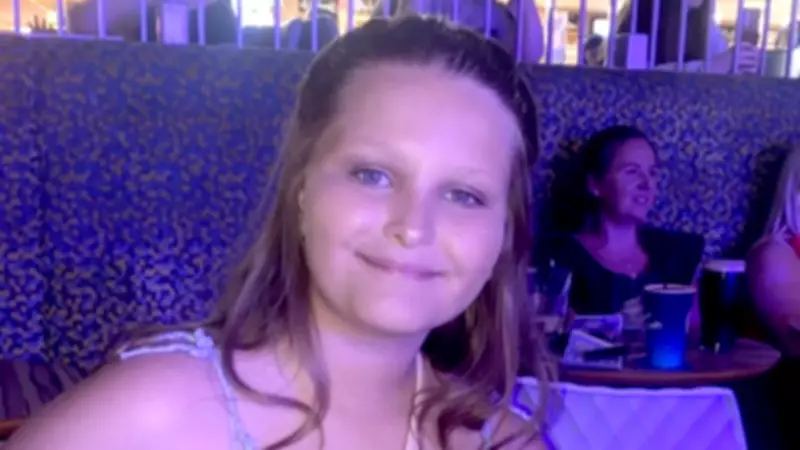
A coroner has issued a dire warning that the absence of national guidance for diagnosing a rare brain disorder is creating a perilous situation that could result in additional deaths. This alert follows the tragic case of Mia Lucas, a 12-year-old girl who took her own life in January 2024 while under section at an NHS children's psychiatric unit.
Undiagnosed Condition Leads to Fatal Outcome
Mia Lucas was discovered unresponsive at the Becton Centre, part of Sheffield Children's Hospital, after developing autoimmune encephalitis, a rare neurological disorder that remained undiagnosed. An inquest held in November revealed that Mia was suffering from this condition, which involves inflammation of the brain and can trigger severe psychiatric symptoms, yet is treatable if identified promptly.
The jury concluded that the failure to perform a lumbar puncture at Queen's Medical Centre in Nottingham before her transfer to the Becton Centre "possibly contributed" to her death. A lumbar puncture is a critical diagnostic procedure where a needle is inserted into the lower back to detect brain or spine conditions.
Systemic Failures and Coroner's Concerns
During the inquest, it emerged that Mia had been sectioned during an "acute psychotic episode" at QMC. Sheffield's senior coroner, Tanyka Rawden, has since written to NHS England to express grave concerns about the recognition and diagnosis of autoimmune encephalitis. In her prevention of future deaths report, she emphasized: "The court heard there is no national guidance for clinicians on when to consider, and how to diagnose, autoimmune encephalitis. Without this I am of the view there is a risk the condition will not be identified which gives rise to a risk that deaths will occur in the future."
The diagnosis of autoimmune encephalitis only came to light partway through the nine-day inquest, when a pathologist presented new post-mortem results, causing shock in the courtroom and distress among Mia's family members.
Inadequate Supervision and Family Anguish
The jury also found that the Becton Centre failed to adequately respond to Mia's risk of self-harm. After the inquest, Mia's mother, Chloe Hayes, voiced her dissatisfaction with the supervision her daughter received, stating: "All they had to do was watch her. I actually never got told the truth about the attempts that Mia made [to self-harm] until after she died. If I'd have known the truth I wouldn't have left Mia there. And I think she had so much to live for. I don't think she knew what she was doing."
Apologies and Institutional Responses
In November, QMC apologized to Ms. Hayes and her family, expressing that they were "truly sorry" further tests were not conducted. Dr. Jeff Perring, executive medical director at Sheffield Children's NHS Foundation Trust, also issued a statement in November, saying "we are deeply sorry for Mia's death" and detailing changes implemented at the centre following a review of her care.
This case underscores urgent calls for improved protocols and national guidelines to prevent similar tragedies in the future, highlighting critical gaps in mental health and neurological care for children.