Baftas Tourette's Tic Controversy Ignites Discussion on Coprolalia
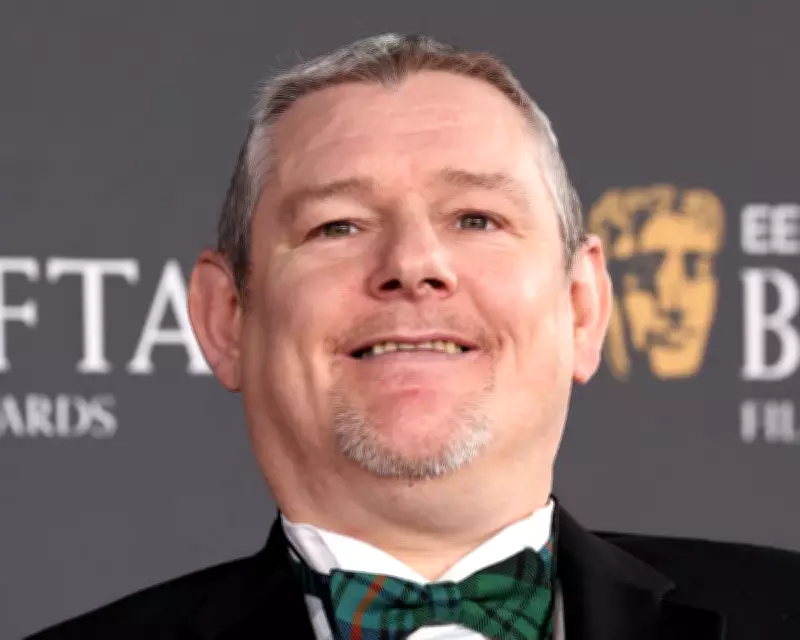
Controversy erupted at the Baftas award ceremony after the BBC initially failed to edit out the N-word spoken involuntarily by John Davidson, a prominent Tourette syndrome (TS) campaigner. Davidson, who has TS, expressed deep mortification in a statement, emphasizing that his vocal tics are unintentional and carry no meaning.
Campaigner's Response and Early Exit
In his statement, Davidson said, "I am deeply mortified if anyone considers my involuntary tics to be intentional or to carry any meaning." He added, "I have spent my life trying to support and empower the Tourette's community and to teach empathy, kindness, and understanding from others, and I will continue to do so." Aware of the distress his tics were causing, Davidson chose to leave the auditorium early into the ceremony.
Call for Experiences from the Tourette's Community
This incident has prompted a call for insights from individuals affected by Tourette syndrome, particularly those with vocal tics involving swearing, known as coprolalia. Questions raised include:
- Does the Baftas situation reflect your own challenges with TS?
- How would you like others to respond to involuntary tics in public settings?
Individuals are encouraged to share their experiences anonymously if they wish, with data handled securely and used solely for this feature.
Implications for Media and Public Understanding
The controversy underscores broader issues around media representation and public empathy for neurological conditions. It highlights the need for greater awareness and sensitivity in handling such situations, as involuntary actions can be misinterpreted without proper context.
This event serves as a reminder of the ongoing struggles faced by the Tourette's community and the importance of fostering a more inclusive and understanding society.