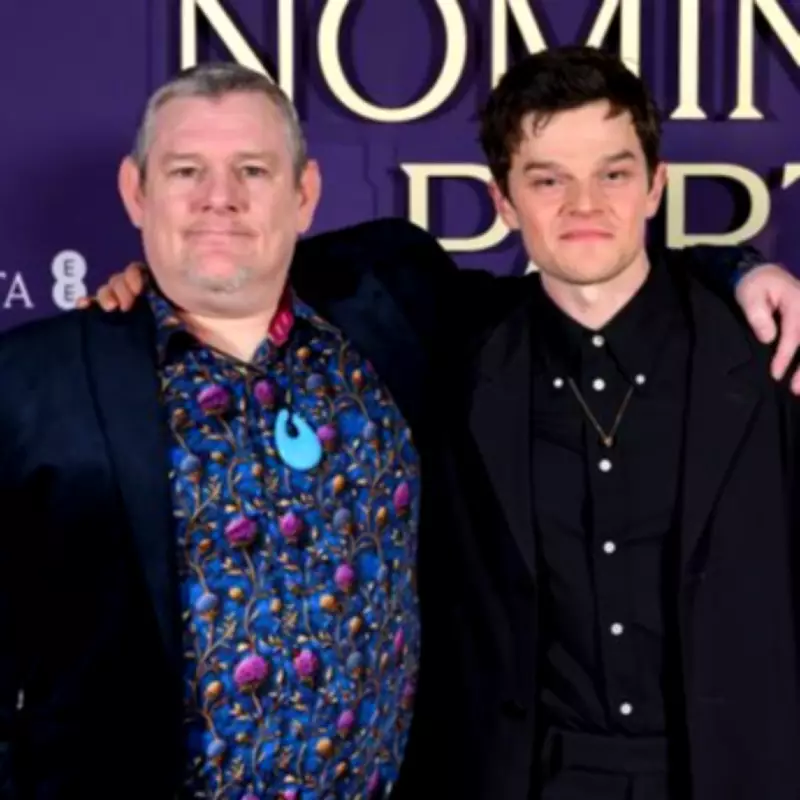
BAFTA Ceremony Faces Unplanned Interruptions from Tourette's Campaigner
The prestigious BAFTA awards ceremony on February 22 was unexpectedly interrupted by a series of involuntary outbursts from Tourette's campaigner John Davidson, whose life inspired the nominated film 'I Swear'. During the event, Davidson experienced vocal tics that included swearing during BAFTA chair Sara Putt's introductory speech and shouting a racial slur as Michael B Jordan and Delroy Lindo presented the award for best visual effects.
Understanding and Compassion Prevail at the Event
Host Alan Cumming addressed the audience with empathy, stating, "You may have noticed some strong language in the background. This can be part of how Tourette's syndrome shows up for some people as the film explores that experience." The ceremony continued smoothly, with attendees demonstrating remarkable understanding towards Davidson's condition.
Demystifying Tourette's Syndrome: Beyond the Stereotypes
While swearing outbursts, known as coprolalia, represent the most recognized symptom of Tourette's syndrome, this manifestation actually affects only approximately 10% of individuals with the condition. Tourette's is a complex neurological disorder characterized by involuntary vocalizations and movements called tics, with severity varying dramatically between individuals.
Exploring the Root Causes of Tourette's
According to tourettes-action.org.uk, Tourette's syndrome impacts more than 300,000 people across the United Kingdom. Medical experts believe the condition stems from a complicated interplay between genetic predisposition and environmental factors, though the precise cause remains undetermined.
The Mayo Clinic suggests that neurotransmitters like dopamine and serotonin may contribute to the development of Tourette's, while the NHS confirms it as a disorder leading to involuntary vocal and physical tics that can significantly affect daily functioning for some individuals.
Recognizing the Symptoms: Physical and Vocal Manifestations
Tourette's syndrome presents through both physical and vocal tics that typically emerge during childhood. The NHS outlines these symptoms comprehensively:
Physical tics include:
- Blinking and eye rolling
- Grimacing and shoulder shrugging
- Jerking of the head or limbs
- Jumping and twirling movements
- Touching objects and other people
Vocal tics include:
- Grunting and throat clearing
- Whistling and coughing
- Tongue clicking and animal sounds
- Saying random words and phrases
- Repeating sounds, words, or phrases
- Swearing (affecting minority of cases)
Age of Onset: When Symptoms Typically Emerge
Tourette's syndrome generally manifests between ages two and fourteen, with the average onset occurring around six years old. While most cases appear during this developmental window, medical literature documents instances of both earlier and later symptom presentation.
Treatment Options and Management Strategies
Although no cure exists for Tourette's syndrome, various treatments help manage symptoms and improve quality of life. These include behavioral therapies, medication, and comprehensive support systems that address both the neurological and psychological aspects of the condition.
The BAFTA incident serves as a powerful reminder of the importance of public awareness and compassion toward neurological conditions that affect thousands of individuals and families across the UK.