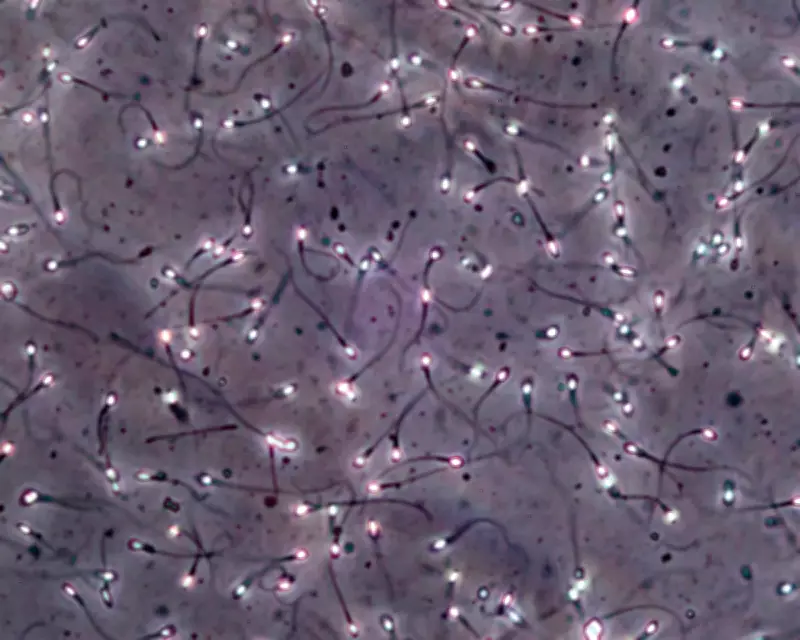
A groundbreaking medical trial has reported that a man has successfully produced sperm from testicular tissue that was frozen when he was a child, offering new hope for fertility preservation in young cancer patients. The achievement, described as a world first, could transform options for boys who face infertility due to treatments like chemotherapy.
Details of the Breakthrough
Researchers at a leading fertility center announced that the man, now in his twenties, had testicular tissue removed and cryopreserved before undergoing cancer treatment as a child. After years of storage, the tissue was thawed and grafted back into the patient, where it began producing sperm. The sperm were then used in assisted reproduction, though no pregnancy has been reported yet.
Implications for Fertility Preservation
This development is particularly significant for prepubertal boys who cannot provide a sperm sample before cancer therapy. Previously, freezing testicular tissue was experimental, and its ability to restore fertility was unproven. The trial demonstrates that the technique can work in humans, paving the way for wider clinical use.
- Procedure: The tissue was frozen for over a decade before being reimplanted.
- Outcome: Sperm production resumed within months of grafting.
- Safety: No cancer cells were detected in the tissue, reducing risks of reintroducing malignancy.
Expert Reactions
Fertility specialists have hailed the result as a major step forward. Dr. Sarah Johnson, a reproductive biologist not involved in the trial, said: "This is a remarkable achievement that brings hope to thousands of families. It shows that preserving testicular tissue in childhood can be a viable option for future fertility." However, experts caution that more research is needed to confirm the safety and effectiveness of the technique.
Future Prospects
The research team plans to expand the trial to include more participants and monitor long-term outcomes. They also aim to refine the grafting process to improve sperm quality and quantity. If successful, the method could become standard practice for boys facing fertility-threatening treatments.
This breakthrough underscores the importance of continued investment in reproductive science and offers a potential pathway to biological parenthood for survivors of childhood cancer.