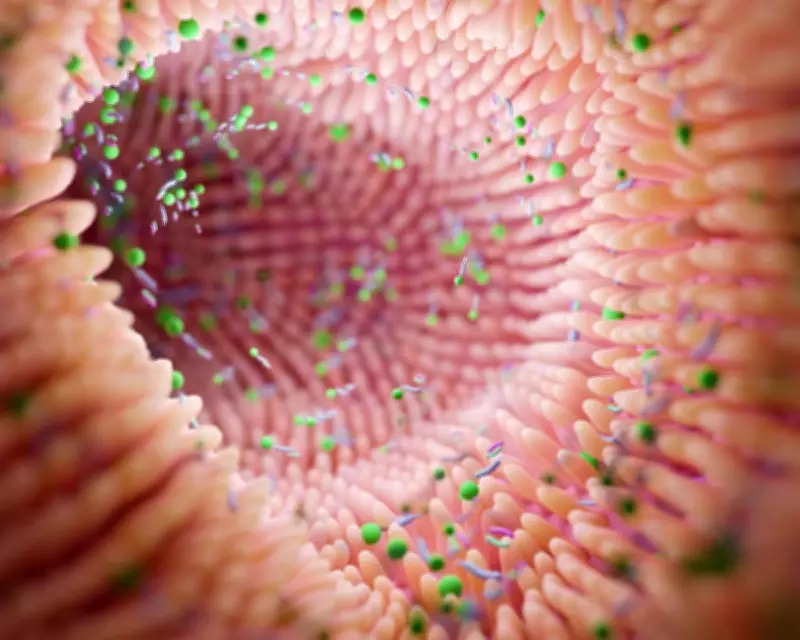
Gut Microbiome Changes Could Predict Parkinson's Disease Years Before Symptoms
Groundbreaking research reveals that signature changes in the gut microbiome could help doctors identify individuals at risk of developing Parkinson's disease years before clear symptoms emerge. This discovery not only offers potential for early intervention but also raises hopes for new therapeutic approaches targeting the gut-brain connection.
Microbial Signature More Pronounced in High-Risk Groups
Scientists have identified distinct alterations in gut microbes that are more pronounced in people with genetic susceptibility to Parkinson's and become even more stark in those already diagnosed with the disease. The research represents the first time such a microbial signature has been observed in individuals with genetic risk factors who have not yet developed clinical symptoms.
Professor Anthony Schapira, head of clinical and movement neurosciences at University College London and lead investigator on the study, emphasized the significance of these findings. "These same changes can be found in a small proportion of the general population that may put them at increased risk," Schapira noted, adding that the signature appears to strengthen as the disease progresses.
Global Impact of Parkinson's Disease
Parkinson's cases have doubled globally over the past 25 years, with more than 8.5 million people now living with the condition worldwide. The neurodegenerative disorder causes progressive brain damage, leading to characteristic symptoms including tremors, slow movement, stiff muscles, and balance difficulties. Patients frequently experience additional challenges such as depression, anxiety, sleep disturbances, and memory problems.
The disease primarily results from the death of neurons in the substantia nigra region of the brain, leading to decreased dopamine levels that drive many symptoms. While no cure exists, current treatments focus on dopamine-boosting medications, physiotherapy, and surgical interventions.
Comprehensive Research Methodology
The University College London research team analyzed extensive clinical and fecal data from multiple participant groups:
- 271 individuals diagnosed with Parkinson's disease
- 43 people carrying genetic risk factors for Parkinson's but showing no clinical symptoms
- 150 healthy control participants
Researchers discovered that more than a quarter of gut microbial species—176 distinct types—showed significant abundance differences in Parkinson's patients compared to healthy individuals. Crucially, these changes were not attributable to medication effects. A similar microbial pattern emerged in those genetically predisposed to Parkinson's but without symptoms.
International Validation of Findings
The scientists further validated their results using additional medical data from 638 Parkinson's patients and 319 healthy controls across three countries: the United Kingdom, South Korea, and Turkey. According to findings published in Nature Medicine, a small percentage of healthy individuals exhibited the microbiome signature, suggesting they might be at elevated risk for developing Parkinson's.
Potential Mechanisms and Future Directions
While the exact relationship between gut microbes and Parkinson's remains unclear—whether microbial changes drive the disease, result from it, or involve bidirectional influence—researchers propose several potential mechanisms. Schapira explained that microbiome alterations might affect production of alpha-synuclein, a protein crucial to neuronal damage in Parkinson's.
"Certain bacteria cause inflammation in the gut wall that increases alpha-synuclein, which is then transported up the vagus nerve from the gut to the brain and into the brain cells affected in Parkinson's," Schapira detailed, referring to the nerve that facilitates communication between brain and major organs.
Dietary Connections and Preventive Potential
The study revealed significant dietary patterns among participants with abnormal microbiome signatures. These individuals consumed more processed foods and saturated fats while eating less fruit, vegetables, fiber, fish, and lentils compared to those with healthier gut profiles.
Claire Bale, associated director of research at Parkinson's UK, highlighted the growing evidence connecting gut health to Parkinson's. "The findings indicate that changes in the microbiome may occur in the very early stages of the condition and that the extent of these changes may correlate with disease progression," she stated.
Bale drew parallels between this discovery and previous advances in managing Parkinson's through physical activity. "Our growing understanding of the gut microbiome offers similar hope that dietary modification could benefit those living with Parkinson's," she added, suggesting that healthier diets and microbiome-targeting treatments might prevent or delay disease onset.
Next Steps for Research and Clinical Application
Further research and clinical trials are necessary to fully understand how gut microbes influence Parkinson's development and whether reshaping the microbiome could provide protective benefits. The identification of this microbial signature opens promising avenues for early detection strategies that could revolutionize Parkinson's diagnosis and treatment approaches.
As scientists continue to unravel the complex relationship between gut health and neurodegenerative diseases, this research represents a significant step toward potentially preventing Parkinson's through targeted interventions years before debilitating symptoms manifest.