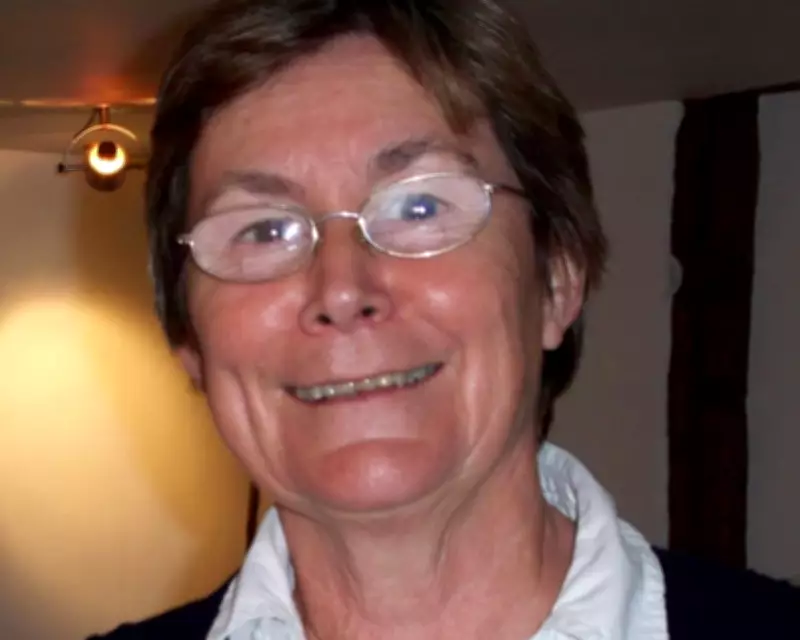
Ann Barrett, a pioneering oncologist who established the UK's first MSc course in clinical oncology and became a world authority on paediatric radiotherapy, has died at the age of 83. Her career spanned four decades and significantly improved cancer outcomes, particularly for children.
Early Career and Training
Barrett qualified in medicine in 1968, entering the rapidly evolving field of oncology. She trained at St Bartholomew's Hospital in London and held various junior doctor posts before becoming a consultant at the Royal Marsden Hospital in 1977. There, she specialised in brain tumours in children and irradiating the central nervous system.
Pioneering Paediatric Radiotherapy
Determining precise radiation doses and locations was exacting work before computers and scanners. Barrett collaborated with physicists to plan treatments for each child, mindful of their developing organs. She co-founded the UK Children's Cancer Study Group in 1977, which later became the Children and Young People's Cancer Association, to collect data and advance understanding.
Academic Leadership
In 1986, Barrett became the first professor of radiation oncology at the University of Glasgow, where she established the UK's first MSc course in clinical oncology. She was an early advocate for holistic treatment and multidisciplinary collaboration.
In 1988, she helped found the Beatson Oncology Centre, the largest cancer treatment centre in Scotland, serving 2.8 million people. It was among the first in the UK to hold multidisciplinary meetings where surgeons and oncologists agreed on treatment plans for each patient. She also initiated annual conventions in St Andrews for junior doctors and professionals.
Holistic Care and Maggie's Centre
Barrett strongly believed in holistic care and helped establish the Maggie's Centre in Glasgow, serving as a director from 1997 to 2001. She felt that a patient's surroundings, including gardens, could be highly therapeutic.
Challenges and Resignation
By the late 1990s, the Beatson centre's equipment was ageing and insufficient. The centre had only six linear accelerators instead of the needed 11, and patients were often treated in corridors due to a lack of beds. Troubled by the declining quality of care, Barrett resigned in 2001, stating in the British Medical Journal: "I am so unhappy that the quality of care I am able to give is so far below what I want that I simply find myself unable to carry on." Her resignation, along with others, prompted a government review and major upgrade.
Later Career at UEA
In 2002, Barrett joined the University of East Anglia as deputy dean and first professor of oncology. She helped shape the curriculum, emphasising early clinical exposure and communication skills. She remained at UEA until her retirement in 2008.
Honours and Legacy
Barrett served as dean of the Royal College of Radiologists from 2002 to 2004 and advised the Ministry of Defence and Nato on radiation effects. She was appointed OBE in 2010 for services to healthcare. She authored over 150 academic papers and contributed to classic textbooks such as Practical Radiotherapy Planning and Cancer in Children.
Personal Life
Born in Southgate, north London, and raised in the Welsh valleys, Barrett attended Queen Elizabeth girls' school in Barnet. She studied medicine at St Bartholomew's after an extra pre-med year in biology. She was an accomplished writer and translator, and a media fellow at the Independent newspaper. In retirement, she moved to Cambridge, where she was a church warden, enjoyed nature, poetry, piano, and cycling. She married John Barrett in 1970 (divorced 1982) and Adrian Bell in 1989 (divorced), but remained close to her stepchildren. She is survived by her brother, sister, and stepchildren.