
Utah Measles Outbreak Surpasses 600 Cases as Spread Accelerates Nationwide
Utah has become a significant epicenter of measles infections in the United States, with health officials confirming a total of 602 cases tied to an ongoing outbreak that began last year. According to the Center for Infectious Disease Research and Policy (Cidrap), this includes 19 newly identified infections reported on Wednesday, underscoring the persistent nature of this public health crisis.
Recent Surge and Hospitalization Rates
Out of the 602 total cases, an alarming 405 have been recorded since the beginning of this year alone. The outbreak has shown no signs of slowing, with 75 cases reported in just the last three weeks. This rapid escalation has resulted in 49 individuals requiring hospitalization, while approximately one-third of those infected have experienced symptoms severe enough to necessitate emergency room visits. These severe cases are largely attributed to intense dehydration caused by vomiting and diarrhea, common complications of measles.
Vaccination Gaps and Herd Immunity Concerns
A critical analysis of the data reveals that 513 people, or 85% of those infected, were not vaccinated against measles. This statistic highlights a dangerous vulnerability in the population's immunity. Although about 90% of Utah residents are vaccinated, this falls short of the 95% coverage typically needed to achieve "herd immunity," which protects those who cannot be immunized, such as infants under one year old and individuals with certain health conditions.
The outbreak's spread appears to be occurring more broadly across the general population, unlike previous outbreaks often linked to close-knit religious communities. Recent exposures have been reported at several preschools and elementary schools, raising concerns about transmission in educational settings.
National Context and Legislative Challenges
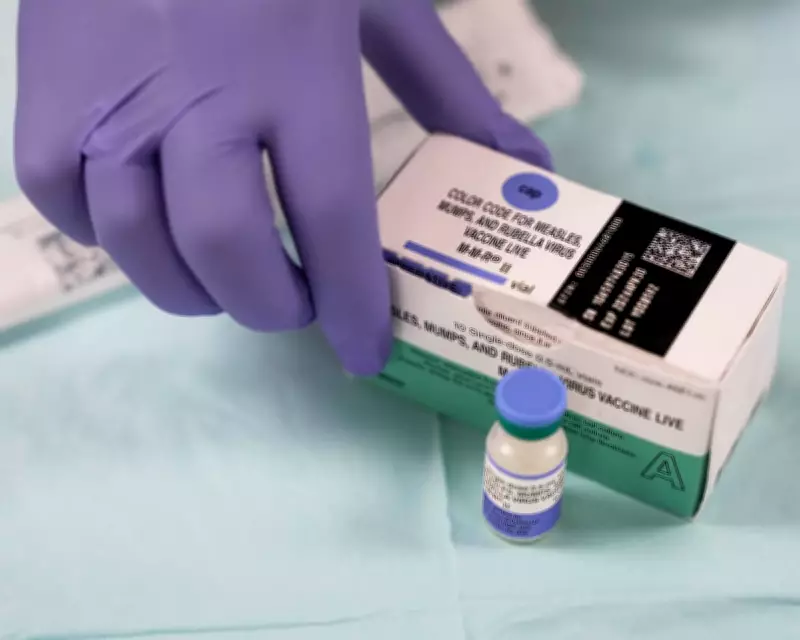
Over the past year, large measles outbreaks have emerged in multiple parts of the country, including Texas and South Carolina. The Utah outbreak originated in Texas more than a year ago and has since spread to most states across the nation, marking the end of the period when measles was considered eliminated in the US. Most cases have occurred in children, many of whom had not received the measles, mumps, and rubella (MMR) vaccine.
Despite the active outbreak, state lawmakers in Utah introduced a bill earlier this year that would have made it easier for families to opt out of school vaccination requirements. Although the proposal did not pass, its introduction during a public health emergency highlighted ongoing tensions between public health experts and the anti-vaccine movement.
Misinformation and Public Health Response
The situation has been further complicated by the spread of misinformation. Robert F Kennedy Jr, secretary of the US Department of Health and Human Services and a longtime vaccine critic, has described measles vaccination as a personal choice and promoted unproven treatments. This stance has drawn criticism from experts who argue that the Trump administration is failing to adequately address the spread of measles, potentially exacerbating the outbreak.
As the outbreak continues to expand, public health officials emphasize the importance of vaccination to protect vulnerable populations and prevent further spread. The data from Utah serves as a stark reminder of the consequences when vaccination rates fall below necessary thresholds, putting entire communities at risk.




