NHS Hospital Doctors in England Threaten Coordinated Strike Action Over Pay
The NHS in England faces a dramatic escalation in industrial action as three major groups of hospital doctors are threatening to coordinate strikes in a campaign for higher pay and improved working conditions. The British Medical Association (BMA) announced on Tuesday that it will ballot consultants, along with specialist, associate specialist, and speciality (SAS) medics, on whether to join resident doctors in taking strike action.
Should the ballots prove successful, the government risks having all doctors working in secondary hospital care in England taking industrial action during the same period, the BMA warned. This move represents a significant hardening of tactics by the union, as consultants seek better pay and shorter hours, while SAS doctors are pushing for increased basic pay, improved overtime rates, more annual leave, and enhanced career opportunities.
Ballots and Strike Timelines
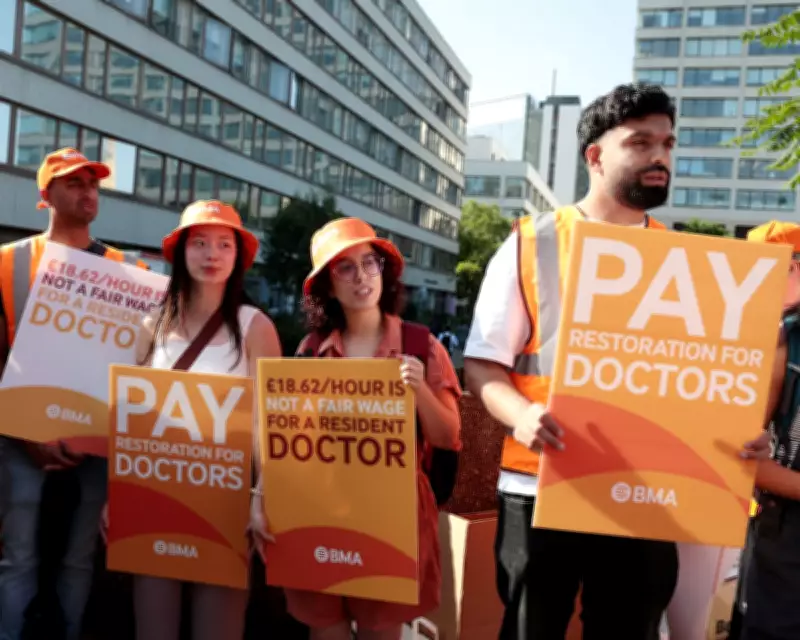
Simultaneous ballots for consultants and SAS doctors will run from 11 May to 6 July, providing a window for negotiations to avert potential walkouts. This development comes as resident doctors, formerly known as junior doctors, are due to commence a six-day strike starting next Tuesday, 7 April, following the Easter weekend. Their representatives continue to engage in talks with the government to resolve a long-running pay and jobs dispute ahead of a deadline to accept ministers' last offer.

Dr Shanu Dattu and Dr Helen Neary, co-chairs of the BMA's consultants committee, emphasized the union's stance, stating that "in the short term, ministers must ask themselves whether they can afford to have all hospital doctors with a mandate to take industrial action at the same time." Coordinated action, even if strikes occur sequentially rather than simultaneously, could bring havoc to the NHS, exacerbating existing pressures on healthcare services.
Government Response and Pay Disputes
The Department of Health and Social Care (DHSC) responded to the BMA's announcement by highlighting that consultants typically earn an average of £147,000 annually. "Consultants and specialist, associate specialist and specialty doctors are highly skilled and valued NHS staff. They are some of the best paid workers in the country," the DHSC stated. "Last year consultants earned an average of £147,000, and they have just been awarded another above-inflation pay rise. Basic pay for new senior doctors has increased by about 28.5% across the last four years. These are not grounds for even considering strike action."
However, the BMA's decision to ballot consultant and SAS doctors was triggered by the government's recent offer of only a 3.5% pay rise for 2026-27, which the union described as "inadequate" and "a crushing blow to doctors." This percentage increase was recommended by the review body on doctors' and dentists' remuneration, advising ministers on pay for these professions. The 3.5% award also influenced the BMA's resident doctors committee to reject what it termed the DHSC's final offer to end their dispute, now in its fourth year.
Key Demands and Negotiation Breakdown
Resident doctors have been seeking a 26% pay rise spread over several years. They declared the six-day strike in response to what they perceived as the government "shifting the goalposts" after weeks of productive negotiations. Reports indicate that the sudden breakdown in talks stemmed from a disagreement over the timing of £700 million in extra "progression pay" agreed by Health Secretary Wes Streeting to address pay demands. Streeting proposed distributing this amount over three years, while the BMA insisted on receiving the full sum in the new NHS operational year starting this Wednesday.

The BMA outlined specific demands for both groups. Consultants aim for higher pay to counteract what they claim is a 25% erosion in the real-terms value of their salaries since 2008-09. They also advocate for a shorter working week, increased pay for out-of-hours work, and more protected non-clinical time for training, research, and service improvement. SAS doctors seek to have their usual working hours end at 7pm, with any work beyond that classified as "out of hours" for overtime purposes, rather than the current 9pm cutoff. Additionally, they demand more annual leave and an expansion of specialist roles within NHS hospitals.
Impact and Union Representation
With approximately 66,000 consultant doctors and 16,000 SAS doctors in the NHS in England, the BMA represents about 36,000 consultants and 7,000 SAS doctors. The DHSC expressed disappointment at the BMA's escalation, stating, "We have been having constructive conversations with the consultants committee and have invited them to work with us on contract reform, so it is disappointing that the BMA has escalated in this way. We would urge senior doctors to work with us to continue to rebuild our NHS together, rather than considering disruptive strike action that patients do not support."
As ballots approach, the potential for coordinated strike action looms large, threatening to disrupt hospital care across England and intensify the ongoing debate over fair compensation and working conditions for medical professionals.