
One person has died amid a legionnaires’ disease outbreak in New York City that has sickened dozens of people, health officials said Friday. The outbreak, concentrated on Manhattan’s Upper East Side, has infected at least 67 individuals and led to numerous hospitalizations, according to city health department data.
Officials have not released additional information about the victim’s identity, age, or the circumstances of their illness. Investigators are still working to identify the source of the outbreak.
Cooling towers under scrutiny
Much of the investigation has focused on cooling towers atop large buildings, which can release water vapor carrying Legionella bacteria. The city has tested cooling towers in the area and found either living or dead Legionella bacteria in more than 75 Upper East Side buildings. These include prominent museums, private schools, and luxury apartment houses.
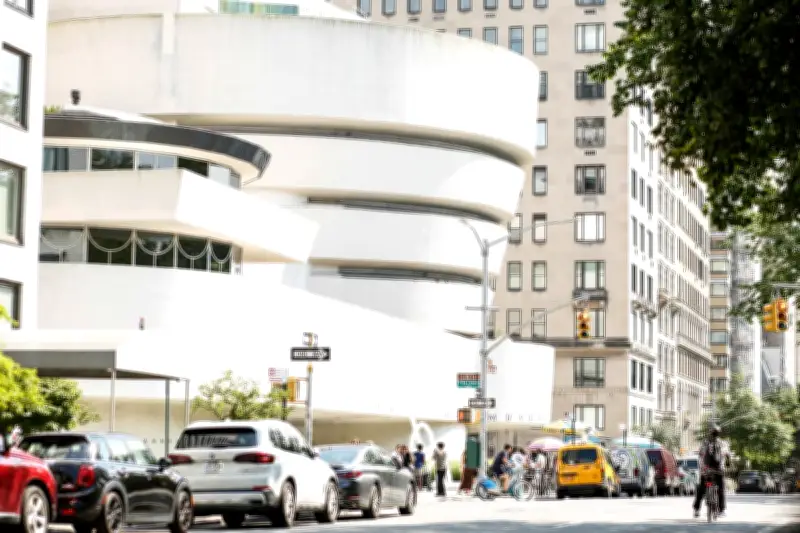
Among the buildings with positive tests is the Guggenheim Museum, which was listed among 31 buildings on the Upper East Side whose cooling towers tested positive for Legionella. It is not yet clear which, if any, of these buildings contributed to the outbreak, but all were ordered to clean, drain, and disinfect their cooling towers.
Legionnaires’ disease: symptoms and risks
Legionnaires’ disease is a severe form of pneumonia caused by Legionella bacteria. According to the US Centers for Disease Control and Prevention, it is treatable but kills about 10% of patients. The bacteria grow in warm water and can spread through cooling towers, hot tubs, and showerheads. People typically contract the disease by inhaling tiny droplets of contaminated water; it does not spread from person to person.
Last year, a similar outbreak in New York’s Harlem neighborhood resulted in seven deaths and more than 100 infections.
Outbreak timeline and response
City officials began tracking the current outbreak on 2 July, after two people were infected in the Upper East Side area. Since then, the number of cases has risen rapidly. Health officials continue to urge residents, especially those with underlying health conditions, to seek medical attention if they develop symptoms such as fever, cough, shortness of breath, or muscle aches.




