
Eswatini's Renewed Battle Against Malaria After Four-Year Hiatus
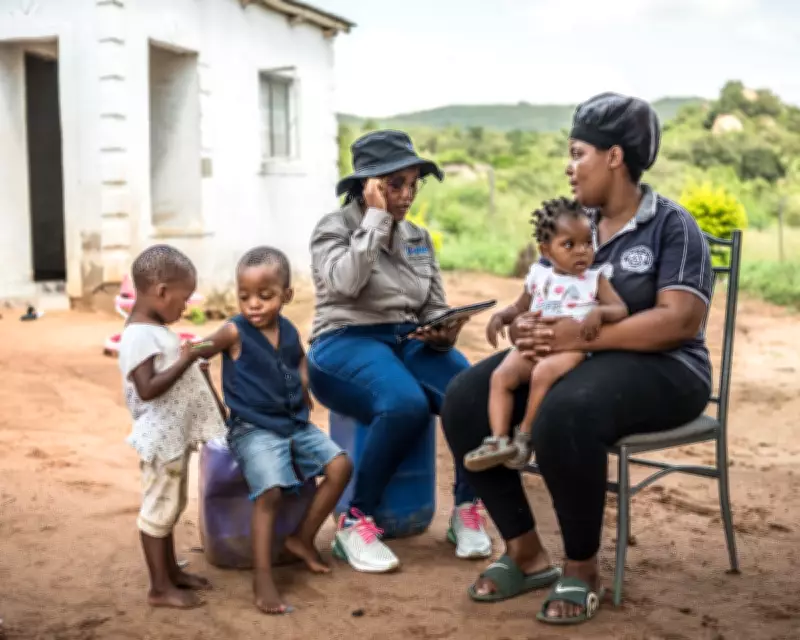
In the northern Hhohho region of Eswatini, a landlocked African nation formerly known as Swaziland, malaria has resurfaced after an absence of four years. This development has triggered immediate action from the country's national malaria prevention team, who are now conducting house-to-house visits in affected communities. The team provides health advice, distributes informational leaflets, administers malaria tests, and applies insecticide sprays to homes in an effort to contain the outbreak.
The Complex Challenges of Malaria Elimination
Eswatini's ambitious goal to eliminate malaria faces multiple significant obstacles. The country recorded 362 confirmed malaria cases in 2024, a concerning number when compared to neighboring Mozambique's staggering 11.6 million cases and South Africa's 4,639 cases. This disparity highlights the vulnerability created by porous borders and informal migration patterns.
Climate change represents another formidable challenge, creating more favorable breeding conditions for mosquitoes and extending the malaria season. Nomcebo Dlamini, chief malaria surveillance officer, notes that the season now persists into the May sugarcane harvest period, whereas it previously peaked in March. Extreme weather events, such as floods, create numerous new breeding sites by producing stagnant water collections near human settlements.
Surveillance and Prevention Strategies
At the heart of Eswatini's malaria response is the national insectary in Siphofaneni, where Nombuso Princess Bhembe and her team maintain a colony of mosquitoes for research purposes. Daily, teams set traps at sentinel sites to monitor mosquito populations, examining species through microscopic analysis of colors and wing patterns. Some captured mosquitoes are used to test the effectiveness of current insecticides, revealing concerning trends of insecticide resistance over time.
The surveillance system operates with remarkable efficiency. When a patient tests positive for malaria at a local health center, an immediate phone alert triggers a rapid response. Teams quickly mobilize to the affected area, conducting comprehensive testing and prevention measures in surrounding communities. This proactive approach aims to contain outbreaks before they can spread more widely.
Agricultural and Migration Factors
The malaria challenge intersects with agricultural practices and labor migration in complex ways. The extended malaria season now coincides with the sugarcane harvest, when workers spend extended periods in fields. Additionally, some farms in the region illegally cultivate cannabis, employing workers from Mozambique who accept lower wages. These migrant workers may carry malaria parasites, and when bitten by local mosquitoes, can initiate new transmission cycles.
Agricultural workers often sleep outdoors to guard their fields, frequently without protective bed nets that have historically been crucial for malaria prevention. Their wariness of engaging with authorities, including health clinics, further complicates prevention efforts. The malaria team must continuously develop new strategies to reach these vulnerable populations.
Funding Challenges and Global Context
Mark Edington, head of grant management at the Global Fund to Fight Aids, Tuberculosis and Malaria, which partially funds Eswatini's malaria programme, expresses concern about the global malaria situation. Cases have risen worldwide for six consecutive years, while funding has decreased. The Global Fund was forced to implement $1.4 billion in cuts to existing grants last year after donors failed to fulfill their pledged contributions.
Edington identifies a dangerous combination of factors: "decreased malaria funding, increased resistance towards both drugs and insecticide, population growth, and increasing extreme weather events." In Eswatini, aid cuts have primarily affected worker training programs, though core services remain operational.
Government Response and Future Outlook
Eswatini's health minister, Mduduzi Matsebula, emphasizes the government's commitment to malaria elimination. The country is exploring integrated border controls with neighboring nations to simplify health surveillance. Additionally, officials are considering making travel documents and passports more accessible, encouraging people to use formal border crossings rather than informal routes that complicate disease tracking.
Despite the challenges, Minister Matsebula remains determined: "We are ambitious about it and we believe it's doable." The country continues its comprehensive approach, combining insecticide spraying, community education, rapid response teams, and international cooperation in its fight against this persistent disease.
The situation in Eswatini illustrates the complex interplay between climate change, migration patterns, agricultural practices, and disease transmission. As the nation works to eliminate malaria once again, its experiences offer valuable insights for other countries facing similar challenges in an increasingly interconnected world.




