
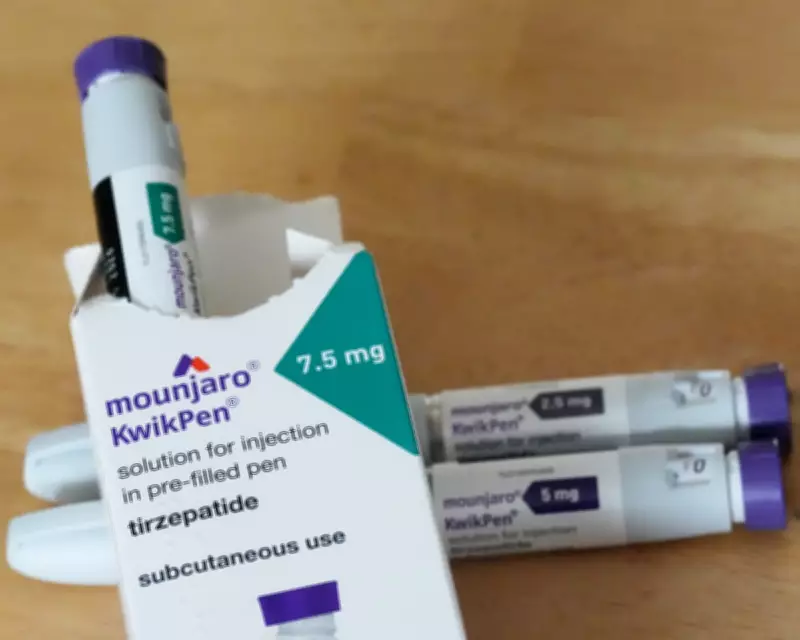
The US pharmaceutical corporation Eli Lilly, renowned for producing the weight-loss medication Mounjaro, has issued a stark ultimatum to the UK government. The company has declared it will resume its paused investments in Britain only if ministers commit to regular increases in NHS drug prices and abolish an existing rebate scheme. This demand comes after Eli Lilly was among several pharmaceutical firms that halted or abandoned nearly £25 billion in planned UK investments last year, including a laboratory site in central London.
Negotiations Underway for Summer Agreement
Patrik Jonsson, President of Eli Lilly's international business, revealed in an exclusive interview with the Financial Times that the company is actively engaged in discussions with UK ministers. He expressed optimism about reaching a formal agreement this summer, which would involve Britain paying more for its medicines. Jonsson emphasized that UK drug prices have been "far too low for far too long," arguing that even recent adjustments to cost-effectiveness thresholds fail to restore levels from over two decades ago.
Innovative Pricing Models on the Table
The talks are not limited to simple price hikes. They are also exploring "innovative" pricing strategies, such as linking payments for anti-obesity drugs to patient outcomes, including whether treatments enable individuals to return to work. Jonsson cited data showing that obesity interventions reduce absenteeism, highlighting a potential benefit for employers. With 2.8 million eligible UK workers absent due to sickness, he sees "real opportunities" for outcome-based agreements that could transform healthcare funding.
Broader Industry Pressure and Policy Changes
Eli Lilly's stance aligns with escalating pressure from the US pharmaceutical industry on the UK. Last year, Prime Minister Keir Starmer approved the first increase in NHS cost-effectiveness thresholds in 27 years, raising the price range for life-extending drugs from £20,000-£30,000 to £25,000-£35,000 per year of life gained. Additionally, under a US-UK drug pricing deal influenced by former President Donald Trump, the UK agreed to pay 25% more for new medicines by 2035, potentially costing the NHS budget up to £9 billion annually.
Rebate Scheme Controversy
Large pharmaceutical companies have long protested a "rebate" scheme that requires them to repay a portion of revenue from branded medicine sales if NHS usage exceeds an agreed rate. While this scheme is expected to diminish in 2026, Jonsson insists payments "should actually get down to zero" over time. He criticized the NHS for rationing access to Mounjaro injections but noted the company's eagerness for more innovative agreements, especially with a pill version of the weight-loss drug slated for launch later this year.
Government Response and Future Implications
A spokesperson for the Department of Health and Social Care affirmed the government's commitment to providing innovative treatments, stating that changes to medicine pricing will ensure faster NHS access to new therapies. The department also reiterated its dedication to the UK-US pharmaceutical agreement, including adjustments to the National Institute for Health and Care Excellence (NICE) cost-effectiveness threshold. However, Jonsson stressed that any resumption of Eli Lilly's investment hinges on a "well-defined action plan with interventions and timelines," warning that thresholds cannot remain "written in stone for another three decades."
This development underscores a critical juncture in UK healthcare policy, balancing the need for pharmaceutical investment against the financial sustainability of the NHS. The outcome of these negotiations could set a precedent for how Britain manages drug pricing and industry relations in the post-Brexit era, impacting everything from patient care to economic growth in the pharmaceutical sector.




