
Doctors Express Divisions Over NHS Strike Impact
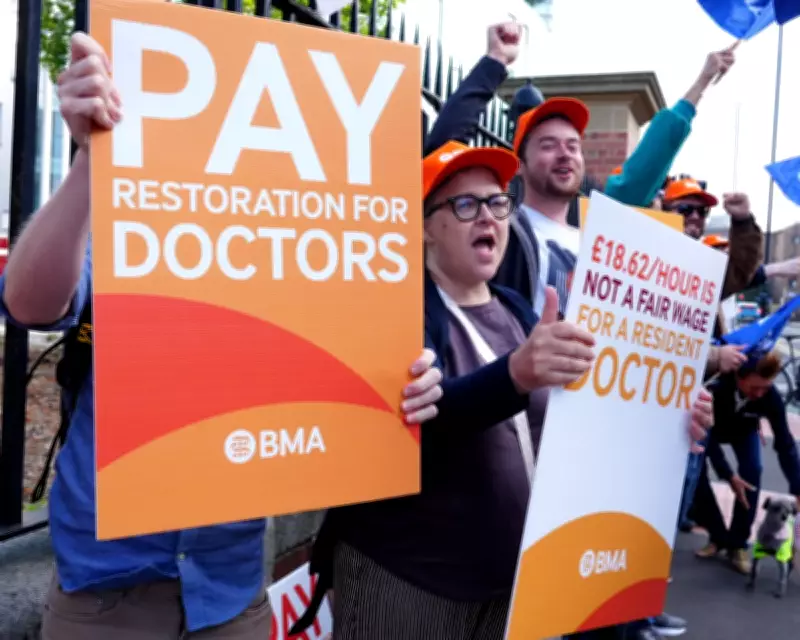
In response to recent commentary on the ongoing NHS strikes, two senior medical professionals have voiced contrasting perspectives on the industrial action that continues to disrupt healthcare services across the United Kingdom. The debate highlights growing divisions within the medical community as the strikes enter another contentious phase.
The Case for Diplomacy and Resolution
Dr Helen Holt, a consultant physician and chair of the medical staff committee at University Hospitals Dorset, acknowledges that many doctors initially supported industrial action reluctantly. "We recognized a government that wasn't listening," she explains, "and wanted to support junior colleagues whose pay had fallen significantly behind their contemporaries."
However, Dr Holt now expresses deep concern about the strikes' consequences. "We are anxious about our patients and their cancelled appointments and procedures," she states. "We are exhausted covering work that we are not familiar with, and those receiving overtime for unwanted shifts feel uncomfortable about the financial impact on the NHS."
The consultant physician observes that resident doctors themselves have become increasingly divided and conflicted about the ongoing industrial action. "We long for a resolution," she emphasizes, noting that communication and diplomacy represent skills that medical professionals pride themselves on. "Politicians have never needed these skills more than now. Diplomacy is the way to resolve this crisis for our NHS."
Opposition to Continued Strikes
Dr Peter Davis from Bristol presents a contrasting viewpoint, stating that as a British Medical Association member, he cannot support the latest strike action. He challenges the BMA's framing of the pay dispute, noting that "none of the resident doctors working now were working in 2008," the year the union uses as a benchmark for its demands.
"Working conditions were very different then," Dr Davis argues, "and included significantly longer hours." He points out that many current resident doctors work less than 40 hours weekly, partly because their compensation allows this flexibility, including annual bonuses that incentivize less-than-full-time work.
The doctor reports diminishing support for strikes among his colleagues. "Fewer resident doctors are voting for strike action, and fewer still actually support these strikes," he observes. In his own practice area, he notes that no resident doctors have participated in the latest strike, with many instead attending educational sessions that continued during the industrial action.
Structural Changes and Future Implications
Dr Davis highlights a significant development that may reshape NHS staffing: "The veiled threat by Jim Mackey, chief executive of NHS England, that resident doctors will be replaced is absolutely playing out." He observes that advanced practitioners are increasingly taking on permanent roles that resident doctors traditionally filled through rotational placements.
"This shift potentially provides a more consistent and better service for patients," Dr Davis suggests, "compared to resident doctors who rotate through different posts every few months." His observation points toward potential long-term structural changes within the NHS workforce that could fundamentally alter medical training and service delivery models.
Broader Context and Healthcare Implications
The ongoing dispute occurs against a backdrop of significant challenges facing the National Health Service, including:
- Patient appointment and procedure cancellations
- Financial pressures from overtime payments
- Staff exhaustion from covering unfamiliar roles
- Potential permanent workforce restructuring
- Growing divisions within the medical profession
Both doctors acknowledge the strikes' harmful effects while presenting different perspectives on appropriate responses. Their letters reveal a medical community grappling with complex questions about fair compensation, working conditions, patient welfare, and the most effective strategies for achieving meaningful reform within the healthcare system.
The call for diplomatic resolution comes as the NHS faces one of its most challenging periods in recent memory, with industrial action exacerbating existing pressures on healthcare delivery and staff morale across the United Kingdom.




