
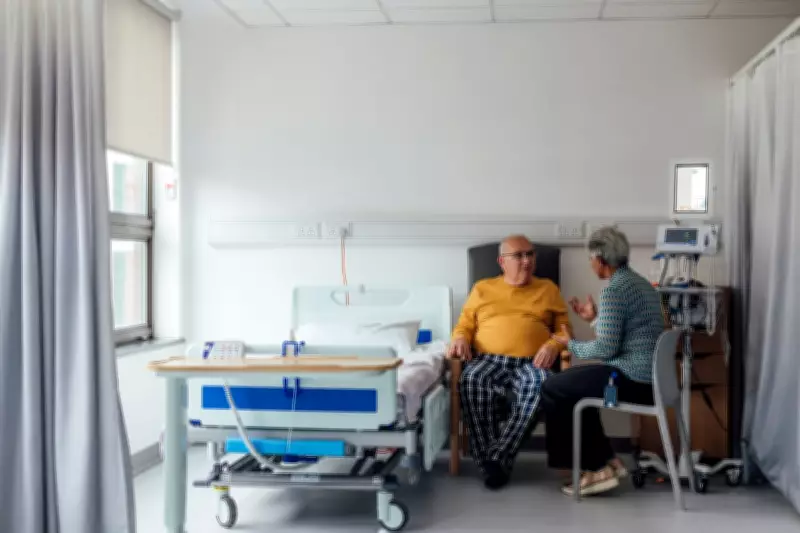
A Doctor-Patient's Journey: Lessons on Bedside Manner and Health System Realities
Roland Bull's medical history reads like a dramatic novel, yet it's his real-life experience that bridges the gap between doctor and patient. In 2017, a spinal procedure went awry when a surgeon operated on the wrong part of his back, leaving him with two herniating intervertebral discs instead of one. During his recovery, Bull began contemplating a career in medicine, leading him to apply for medical school. However, his journey took another turn when he woke up one morning with functional loss in his right foot, caused by a wayward disc compressing a spinal nerve root and resulting in permanent neurological damage. Later, during final exams, he discovered a benign but nasty tumour at the base of his brain, which he eventually had surgically removed after careful consideration.
Straddling Two Worlds: Doctor and Patient
Bull's unique position allows him to critically examine both sides of the healthcare experience. He shares key lessons learned from this dual perspective, offering insights that challenge common assumptions about medical practice.
Good Bedside Manner Can Be Healing
Some doctors dismiss bedside manner as secondary to clinical knowledge, but Bull argues this is nonsense. As a patient, he always prefers a clinician who is kind, inclusive, and upfront about double-checking information over one who is abrupt and dismissive, even if the latter can rapidly recall medical facts. While the exact impact of positive interpersonal interactions on health remains unclear, Bull observes daily behavioural effects that suggest it's profound. Clear, reassuring communication might help ease high blood pressure, and empathy could alleviate pain. Kindness and inclusivity encourage patients to participate actively in their healthcare by asking questions, understanding treatments, adhering to medication regimens, and enhancing future health-seeking behaviours, all of which positively impact overall health.
Everybody Looks Things Up, and That's Fine
Before his medical career, Bull sometimes watched with skepticism as his GP appeared to Google ailments during consultations. He has heard similar complaints from others, implying that with a stable internet connection, GPs might be unnecessary. Now, as a doctor, he knows that clinicians in hospitals and specialist clinics look things up constantly, though they are less likely to do so in front of patients. Medical professionals should look things up because medical science is dynamic and evolving. Guidelines change with new research, and treatments should reflect this. Doctors often check obscure anatomical landmarks or correct medication doses, using niche subscription websites accessible only to medical professionals. Double-checking is a safer approach than guessing, and doctors rely on their training to synthesise information.
The Emergency Department Is Not Necessarily Diagnostic
Years ago, Bull arrived at the emergency department with excruciating back pain, demanding an MRI to check for serious issues. The doctors declined, reassuring him he showed no signs of permanent functional loss and could safely follow up with his GP. Initially furious, Bull now understands the decision from a doctor's perspective. The emergency department's primary role is to rule out or treat medical danger, not always provide immediate diagnostic answers. Sometimes, the response is that the condition isn't life-threatening or harmful, and patients are sent home for further community-based care. Uncertainty can be frustrating, but the health system doesn't always cater to this immediacy.
Hospitals Aren't Designed to Be Comfortable
Having spent considerable time in hospitals, Bull acknowledges their lack of creature comforts can be disappointing. Patients desire good food, warm beds, and solid sleep, but hospitals are often cold, noisy, and far from luxurious. They prioritise safety over comfort, with monitoring alarms, regular observation checks, scheduled medications, and other patients to manage. It's beneficial that hospitals aren't too appealing, as they harbour hazards like infections or delirium that might not exist in the community. Cleaning staff play a crucial role in safety, and Bull emphasises the importance of treating them with respect, noting that not all heroes wear capes—some carry mops and disinfectant wipes.
Health Is Not a Passive Activity
Patients sometimes ask, "Can you fix me, doc?" as if a magic bullet exists for their ailments. Bull understands the appeal of quick fixes, but he now knows better from his own experiences. Health requires active maintenance. While doctors can prescribe medications and perform procedures, patients aren't off the hook. Staying active, eating a balanced diet, quitting smoking and alcohol, and engaging with allied health and mental health services are essential for long-term success. This requires cost, access, and effort, which can be challenging when sick, but being an active participant in one's health makes a significant difference. Modern medicine should serve as a safety net rather than a menu of miracles.
Reflecting on his journey, Bull states that given the choice again, he would not have had that first spinal surgery. Instead, he would have pursued physiotherapy, scaled back exacerbating activities, and accessed mental health services during pain peaks. This approach has led to better health outcomes compared to the aftermath of the botched operation, underscoring the value of proactive health management.




