
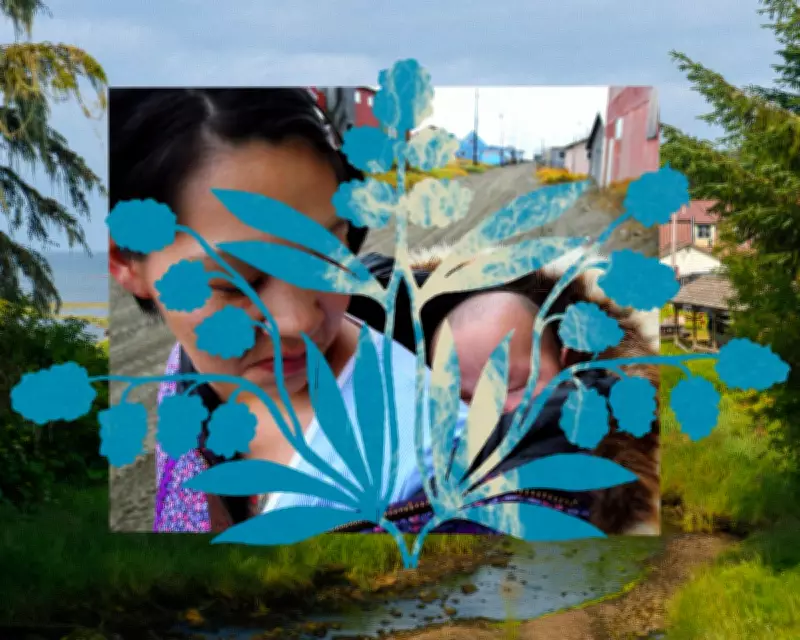
Alaska Native Birth Workers Bridge Maternal Health Gap in Remote Communities
In the vast and isolated regions of Alaska, a critical healthcare crisis has long plagued Indigenous communities, with maternal health outcomes lagging far behind national averages. However, a grassroots movement led by Alaska Native birth workers is now making significant strides in closing this gap, offering culturally attuned care that respects traditional practices while integrating modern medical knowledge.
Addressing Severe Disparities in Maternal Care
Alaska Native women face disproportionately high rates of maternal mortality and morbidity compared to their non-Native counterparts, a disparity exacerbated by geographic isolation, limited access to hospitals, and systemic barriers in the healthcare system. Many remote villages lack nearby obstetric facilities, forcing expectant mothers to travel hundreds of miles for prenatal visits and deliveries, often in harsh weather conditions. This logistical challenge not only increases stress but also delays critical interventions, contributing to poorer health outcomes.
Indigenous birth workers, including doulas, midwives, and community health aides, are stepping in to fill this void. By providing continuous support throughout pregnancy, labor, and postpartum periods, they help mitigate risks and ensure that mothers receive timely care. Their deep understanding of local cultures and languages fosters trust and communication, which is often lacking in conventional medical settings.
Culturally Sensitive Approaches to Improve Outcomes
These birth workers incorporate traditional Alaska Native practices, such as the use of herbal remedies, spiritual ceremonies, and family-centered birthing rituals, into their care plans. This holistic approach not only honors cultural heritage but also has been shown to reduce anxiety and improve maternal satisfaction. Studies indicate that when Indigenous women receive care from providers who share their cultural background, they experience lower rates of complications and higher rates of successful breastfeeding.
Moreover, these initiatives are empowering local communities by training more Alaska Natives in maternal health professions. Programs supported by tribal organizations and non-profits offer certifications and mentorship, creating a sustainable pipeline of healthcare workers who can serve their own people. This not only addresses immediate health needs but also builds long-term resilience against future crises.
Challenges and Future Directions
Despite these successes, challenges remain. Funding shortages, regulatory hurdles, and the ongoing impacts of historical trauma continue to hinder progress. Many birth workers operate with limited resources, relying on grants and community donations to sustain their services. Advocates are calling for increased state and federal investment to expand these programs and integrate them more fully into Alaska's healthcare infrastructure.
Looking ahead, the expansion of telehealth and mobile health units could further enhance access in remote areas, allowing birth workers to collaborate with specialists and provide more comprehensive care. By continuing to blend traditional wisdom with modern medicine, Alaska Native birth workers are not only saving lives but also revitalizing cultural connections, offering a model for Indigenous health initiatives worldwide.




