
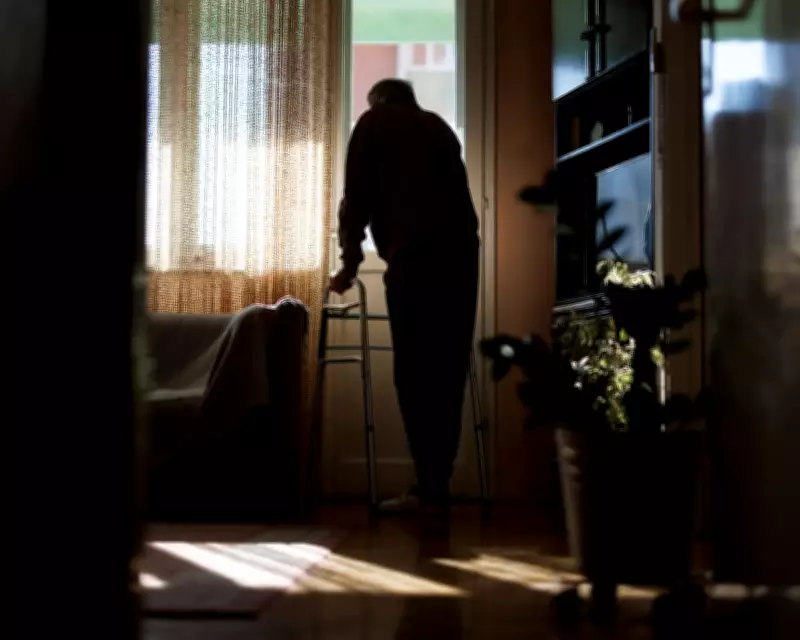
Aged Care Algorithm Sparks 50% Surge in Help Calls, Called 'Nightmare' System
Requests for assistance to aged care advocacy services have surged dramatically since the Australian government introduced a controversial algorithm-based assessment tool for home care support. The Older Person's Advocacy Network (Opan) reported responding to 7,500 requests for information and advocacy between October 1 and December 31 regarding home support or care packages.
This represents a 50% increase from the previous quarter before the Integrated Assessment Tool (IAT) was implemented in November, when approximately 5,000 requests were made. While these figures encompass various home support issues, Opan's spokesperson confirmed numerous concerns specifically relate to the IAT's outcomes.
Algorithm Overrides Human Judgment
The government's IAT user guide reveals the tool generates a classification of need that aged care assessors must accept, with limited ability to override incorrect outcomes. Currently, assessors cannot override the IAT algorithm, leaving older Australians without access to necessary care. While reviews can be requested, responses may take up to 90 days.
"The uncertainty and confusion being experienced by older people is unfair and impacts their health and wellbeing," the Opan spokesperson stated.
Specific Concerns and Case Studies
Key concerns about the algorithm-based tool include:
- People seeking help to get reassessed after unsatisfactory outcomes
- Individuals who have had their funding reduced through the automated system
- People living with dementia not being assessed as a high priority despite their needs
An 83-year-old woman described her experience as "the stuff of nightmares" when an algorithm rather than a human determined her funding level. Despite increasing health problems and living alone with disabilities in a regional town, the algorithm decided against increasing her home support funding.
"I watched the assessor's face, and she was in just as much turmoil at the outcome as I was," the woman reported.
Professional Concerns and Political Response
Jim Moraitis, founder of aged care navigation community VillageLocal, expressed concern about "over-reliance on algorithmic outputs in complex, human situations." He noted that experienced clinicians historically used judgment to interpret what older Australians might not articulate during assessments, but this discretion is now constrained.
"When that discretion is constrained, there is a real risk of people being under-assessed for both level and urgency of support," Moraitis warned. "At scale, even a small percentage of under-assessment can have significant consequences for older Australians trying to remain safe and independent at home."
Shadow Minister for Health and Aged Care Anne Ruston reported increasing concerns from nurses and frontline professionals about inaccurate assessments that may place older Australians at risk.
"It is deeply alarming that there's no way to override the outcome ... even when a qualified healthcare assessor says the result is clearly wrong," Ruston stated.
Broader Implications for Aged Care
The Royal Commission into Aged Care Quality and Safety, which delivered its final report in 2021, found most Australians want to age in their own homes and should be supported to do so. However, the IAT risks pushing people into aged care homes before they are ready.
The commission previously determined that home care package funding was insufficient to meet many people's care needs, recommending boosted in-home support to promote independence and dignity. Without adequate home care services meeting assessed needs, the commission warned of risks including declining function, preventable hospitalization, carer burnout, premature entry to residential aged care, and even death.
The Department of Health, Disability and Ageing has yet to respond to questions about the tool's accuracy and implementation concerns.




