
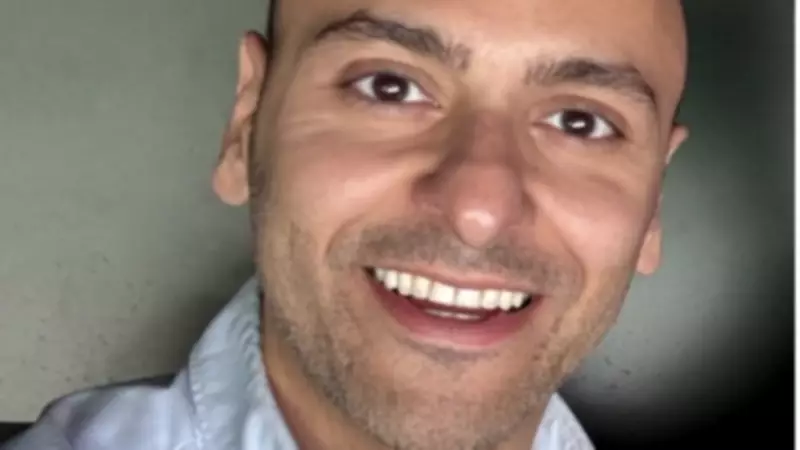
GP Shares Insights on Salaries, Mental Health, and Cold Remedies
Dr. George Hawche, a GP at Fulham Medical Centre in west London, offers a candid look into the realities of general practice, including earnings, patient care, and common health misconceptions. In an exclusive interview, he reveals the financial aspects of the profession, the importance of mental well-being, and practical advice for everyday ailments.
Earnings and Financial Realities in General Practice
A salaried GP working full-time can expect to earn between £80,000 and £95,000 annually, with GP partners often earning more. Locum or self-employed GPs may earn anywhere from £60 to £110 per hour. NHS pension contributions consist of 12.5% from employees and 23.7% from employers. As a self-employed GP partner, Dr. Hawche pays both portions himself.
While he believes his work is fairly remunerated, Dr. Hawche expresses concern for resident doctors, who face significant debt upon qualification. He argues that starting salaries should account for these financial burdens, as young doctors repay loans at high rates for decades.
Patient Care and Professional Challenges
Dr. Hawche always worries about making mistakes, given the responsibility of handling people's lives. To mitigate this, he emphasizes asking the right questions, understanding patient concerns, ruling out red flag symptoms, and ensuring safety nets so patients know when to return if symptoms change.
His biggest lessons include adapting communication styles, taking more time with patients, and seeking feedback from colleagues in multidisciplinary teams. He also highlights the administrative burden and bureaucracy as frustrating aspects of his job, along with unnecessary referrals that add to his workload.
Debunking Myths and Health Advice
Dr. Hawche dismisses old wives' tales, stressing that hydration, rest, and a balanced diet rich in vitamins, minerals, complex carbohydrates, and protein are key to recovery. For colds, his go-to remedy is a combination of honey, lemon, ginger, and paracetamol, with a caution against overdosing.
He advises against paying for big-name brands, noting that active ingredients are the same in cheaper products, and it's merely clever marketing. To address appointment booking frustrations, he recommends pre-booking routine appointments, using online platforms, or submitting eConsultations. Pharmacies can also handle common ailments like sore throats, skin infections, and allergies.
Mental Health and Lifestyle Tips
Dr. Hawche's top tip for improving mental health includes a whole-food diet, regular exercise, proper hydration, stress outlets, fostering good relationships, optimizing sleep, and getting sunlight. He encourages a positive outlook, citing studies that link positivity to better health outcomes.
Regarding weight loss jabs, he supports their use but warns they must accompany diet and lifestyle changes. These medications are not lifelong solutions and carry risks like pancreatitis, thyroid cancer, and allergic reactions. They require appropriate monitoring and follow-up.
Addressing Vaccine Skepticism and AI in Healthcare
Dr. Hawche expresses concern about vaccine skepticism, particularly with measles. He refutes misinformation linking the MMR vaccine to autism, emphasizing that debunked data has led to a risk of outbreaks. He urges patients to consult GPs or health visitors with concerns.
On AI, he acknowledges its uses but cautions against reliance due to its infancy, lack of context, and inability to empathize. He values the human connection in medicine, where patients share sensitive information that AI cannot process.
Reflections on Career and NHS Challenges
If he could change one decision, Dr. Hawche would have taken a year off after residency to explore other opportunities, believing it helps reaffirm career choices and personal growth. He praises the NHS for being free at the point of access but notes challenges from increased life expectancy and waiting lists for elective cases.
He believes the NHS excels in life-and-death conditions, such as cancer care and acute services. If he were prime minister, he would implement three changes: moving to a neighborhood care model with integrated services, adopting a preventative healthcare approach, and improving social care to enhance patient journeys.
The Role of General Practice
Dr. Hawche wishes people understood that general practice is a specialty requiring rigorous training and postgraduate exams. GPs are not just referral points but specialist generalists capable of handling a wide range of issues. He calls for greater recognition of their expertise and contributions to healthcare.




