Child chaperones on UK film and television sets are the last line of defence for young performers, yet they remain largely invisible in the credits. Linda Matthews, founder of Premier Chaperones, and Stephen Rawnsley, head chaperone on Netflix's Adolescence, reveal the challenges and rewards of a role that blends social work, parenting, and law enforcement.
The Role of a Chaperone: More Than a Supervisor
By law, all children under 16 on UK productions require a chaperone. These professionals are vetted through enhanced DBS checks and licensed by local authorities, with some requiring safeguarding training and references, and others demanding applicants pass the first stage of a social worker's assessment. Their duty is to the child, not the production, and they have the authority to halt a shoot if a child is distressed, regardless of the wishes of executives or the financial impact.
Matthews, who left banking to found Premier Chaperones in 2010, once stopped a scene when a young actress playing a cancer patient broke down in tears, reminded of a friend's mother undergoing treatment. "I don't mind being the big bad person," she says. "That was the end of that."
Strict Rules Forged by Cautionary Tales
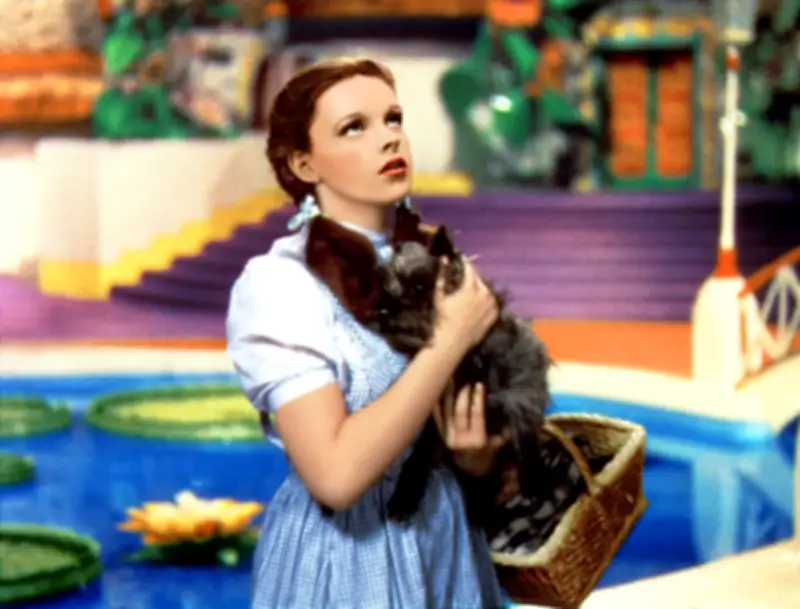
The strictness of the rules is rooted in historical abuses, such as Judy Garland's childhood at MGM, where she was given amphetamines and a diet of black coffee, chicken soup, and cigarettes, leading to her accidental overdose at 47. In 2022, Olivia Hussey and Leonard Whiting sued Paramount over an alleged coerced nude scene in Romeo and Juliet, claiming they were promised flesh-coloured undergarments but were persuaded to film nude. Although the case was dismissed, it highlighted the vulnerability of minors on set.
In the UK, productions face fines up to £1,000 per offence and custodial sentences of up to six months for serious violations. The 2024 documentary Quiet on Set revealed allegations by Drake Bell of abuse by dialogue coach Brian Peck, underscoring the ongoing need for vigilant safeguarding.
Invisible Work, Visible Impact
Chaperones ensure children don't share facilities with adults and have access to medication. On the BBC's Cider with Rosie, Matthews insisted on a closed set for a nude swimming scene, with only herself, the cameraman, and the director present. Despite such critical work, chaperones are often uncredited. After working on The Fantastic Four: First Steps, Matthews took her husband to the cinema, but her name never appeared. "Sometimes they'll credit the janitor," she says, "but not the chaperones."
Stephen Rawnsley, head chaperone on Adolescence, coordinated over 40 licensed chaperones for more than 350 child actors. His IMDb credit sits near the bottom, between runners and an "insurance" role. "We do an important job," he says. "It would be nice to get a bit more recognition from production companies and to be treated like the rest of the crew."
Building Trust and Navigating Challenges
Rawnsley focuses on the pastoral side, helping first-time child actors understand the set's unwritten rules. "I let them know they haven't done anything wrong if a director asks them to film the same scene again," he says. He also warns that while children have agency, their choices have consequences: "If they want to go home, they can. But the production may not ask them to come back because they're being paid to do a job."
Former child actor Montanna Thompson, who played Justine Littlewood in The Story of Tracy Beaker, describes her chaperone Mary as "family." Mary was there for her first period, talking her through it and buying supplies. Another chaperone, Russell, made her feel at home, letting her paint his nails and cooking dinners. "If I saw either of them now, I'd give them a big hug," Thompson says.
Despite earning little more than minimum wage, lacking a dedicated union, and facing payment delays, chaperones persist. Both Matthews and Rawnsley keep in touch with former charges, attending their shows and premieres. Matthews says, "A lot of the girls I worked with on Hetty Feather are in their early 20s. I'd consider them friends now." Rawnsley has also attended opening nights, a recognition that matters most to these unsung professionals.