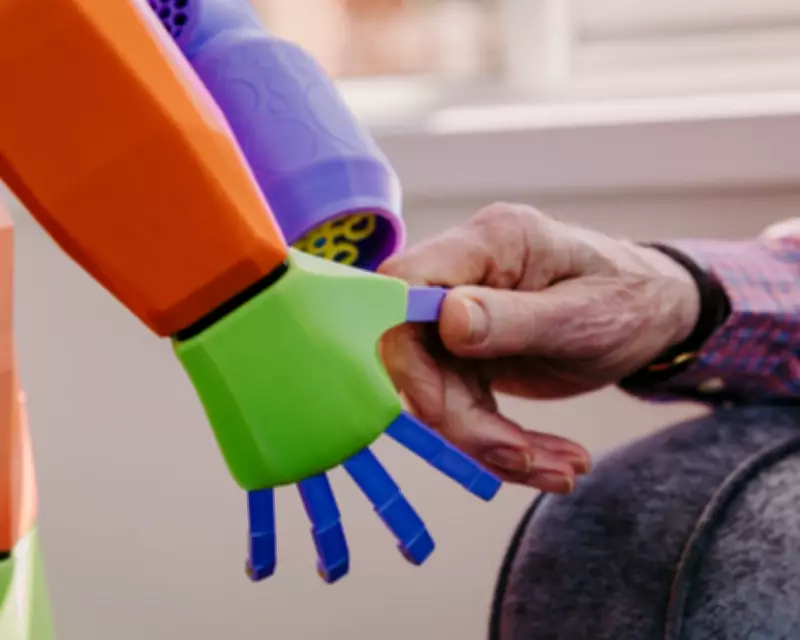
Australia is turning to artificial intelligence to address the growing challenges of its ageing population, with the introduction of AI companion robots in aged care facilities. These robots, designed to provide social interaction and assistance, aim to mitigate the severe workforce shortages that have long plagued the sector. As the number of elderly Australians rises, policymakers and care providers are seeking innovative solutions to maintain quality of life for seniors.
The Role of AI in Aged Care
AI companion robots are being deployed in several aged care homes across the country, offering companionship and basic care support. They can engage in conversations, remind residents to take medication, and even detect falls or unusual behavior. Proponents argue that these robots can fill gaps left by overworked human staff, potentially reducing loneliness and improving mental health among residents. However, critics question whether machines can truly replace human connection, emphasizing the irreplaceable value of empathy and touch in caregiving.
Ethical Considerations
The use of AI in aged care raises significant ethical dilemmas. One major concern is the potential for reduced human interaction, which could lead to further isolation for vulnerable individuals. Additionally, there are questions about data privacy, as robots collect sensitive information about residents' daily habits and health. Experts also warn against a 'dehumanization' of care, where efficiency is prioritized over genuine relationships. The Australian government is now working on regulatory frameworks to ensure that AI complements rather than replaces human caregivers.
Workforce Shortages and Demographic Pressures
Australia's aged care sector is under immense strain due to an ageing population and a chronic shortage of skilled workers. By 2050, the number of people aged 65 and over is expected to double, putting unprecedented pressure on the system. AI robots offer a scalable solution to assist with routine tasks, allowing human staff to focus on more complex and emotional aspects of care. Yet, unions and care workers argue that investment in training and better wages is a more sustainable approach than relying on technology.
Pilot Programs and Public Reception
Several pilot programs are underway, with early results showing mixed reactions from residents and families. Some seniors have embraced the robots, finding them comforting and non-judgmental, while others feel uneasy about interacting with machines. The success of these initiatives may depend on careful implementation and ensuring that robots are used as tools to enhance, not replace, human care. As Australia navigates this technological shift, the balance between innovation and humanity remains a critical debate.