Victim of Quarter-Century Servitude Breaks Silence as Abuser Receives 13-Year Sentence
A woman who endured what a judge described as "Dickensian" servitude for twenty-five years has spoken out about her traumatic ordeal, as her abuser Amanda Wixon was sentenced to thirteen years in prison. The victim, now in her forties, was imprisoned and forced to work for Wixon, a mother of ten, in Tewkesbury, Gloucestershire, from the mid-1990s until her discovery by police in 2021.
Living in Fear and Control for Decades
In a powerful statement released during Wixon's sentencing at Gloucester Crown Court, the victim revealed the psychological scars that persist. "For 25 years I lived in fear, control and abuse," she said. "I was treated as though my life, my freedom and my voice did not matter. The trauma and the nightmares are something I still carry with me every day."
The woman, who has learning disabilities, moved into Wixon's home at age sixteen for what was supposed to be a weekend stay but remained trapped for over two decades. She described surviving on scraps of food, being prohibited from leaving the house, and forced to wash secretly at night. Her benefit payments were systematically diverted into Wixon's bank account.
Systemic Failures and Missed Opportunities
The case has ignited urgent calls for social services to explain how this prolonged abuse went undetected. Despite social services involvement with the family in the late 1990s, there were no subsequent records of contact. The victim had no medical or dental records for twenty years, effectively disappearing from society's radar.
Sam Jones, prosecuting, emphasized during Wixon's trial that "nothing was done by social services" to intervene. Neighbors reported contacting social services with concerns after observing the woman knocking on windows, but their warnings went unheeded. One neighbor stated bluntly: "Social services failed her massively."
Physical and Psychological Torture Revealed
Court proceedings detailed horrific abuse including beatings, forced ingestion of washing-up liquid, bleach splashed on her face, and involuntary head shaving. When police finally discovered the victim following a tip-off, she exhibited scarring on her lips and face, along with severe calluses on her feet and ankles from constant floor cleaning on hands and knees.
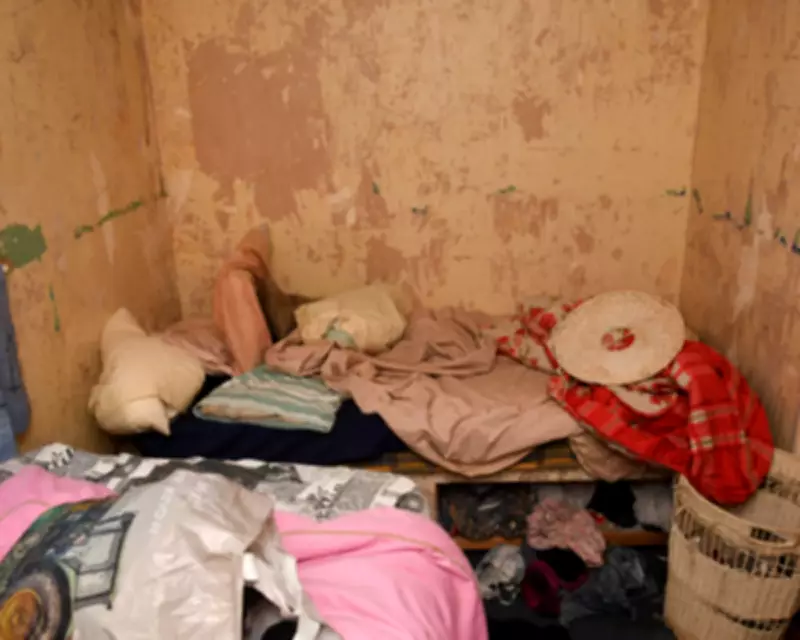
The living conditions were described as overcrowded and squalid, with mould-covered walls, crumbling plaster, and garden rubbish accumulation. Officers characterized the victim's bedroom as resembling a prison cell.
Path to Recovery and Institutional Accountability
The victim now resides with a supportive foster family who provide the care she was denied for decades. "I am now living with a wonderful family who show me kindness, patience and support," she said. "Their love is helping me slowly rebuild the life that was taken from me and begin to feel safe again. Nothing can give me back the 25 years I lost."
Her foster carer highlighted the preventable nature of this tragedy: "It's just a horrible situation which should never have happened. I think social services should be more alert and then maybe no one else will go through what she has been through."
Broader Implications for Modern Slavery Detection
Charity organization Unseen, which supports modern slavery victims, has called for enhanced professional training. Lauren Saunders, the charity's deputy director of frontline services, noted: "The awareness of domestic servitude is really really low because it happens in private homes. I think there is a real lack of training for professionals on how to identify the signs of exploitation."
Gloucestershire County Council acknowledged they only became aware of the situation when police launched their investigation in 2021. A spokesperson confirmed: "Now that this case has concluded, we will be conducting a review to ensure that all agencies do everything possible to spot and prevent such abuse."
Judge Lawrie's characterization of the situation as having a "Dickensian quality" underscores the anachronistic brutality of this prolonged exploitation. As the victim continues her recovery journey, this case serves as a stark reminder of the vulnerabilities within support systems and the enduring resilience of survivors.