
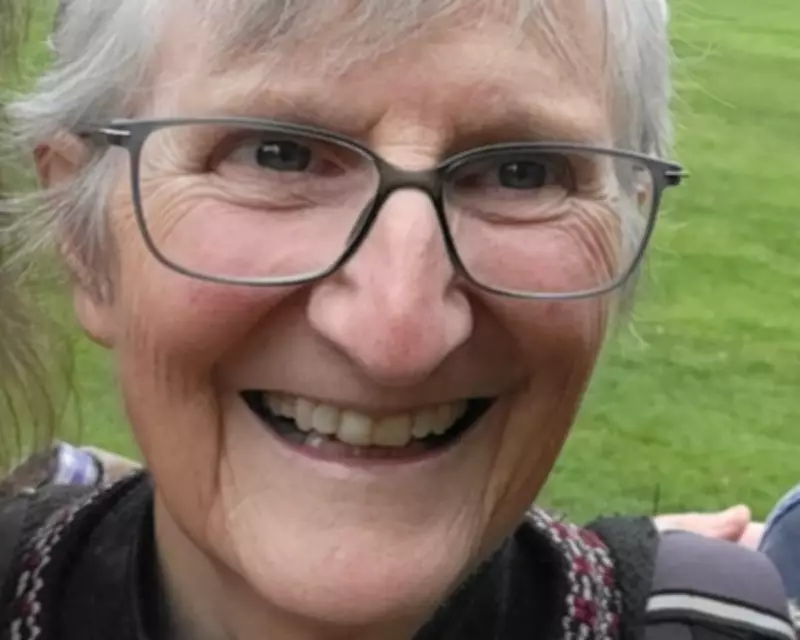
Lorraine Ribbons, a pioneering disability rights activist whose tireless campaigning transformed accessibility and inclusion in the UK, has died at the age of 72. Her family confirmed that she passed away peacefully on Monday, surrounded by loved ones.
Early Life and Activism
Born in 1954 in Birmingham, Ribbons contracted polio at the age of two, which left her with permanent mobility impairments. Despite facing significant barriers, she excelled academically and went on to study social policy at the University of Leeds. It was during her time at university that she first became involved in activism, joining the Disabled People's Movement and campaigning for better access to public buildings.
Landmark Campaigns
Ribbons was instrumental in the campaign for the Disability Discrimination Act 1995, which made it illegal to discriminate against disabled people in employment, access to goods and services, and housing. She later played a key role in the development of the Equality Act 2010, which strengthened protections for disabled people. Her work also focused on accessible transport, leading to improvements in bus and train services across the country.
In 2003, she founded the charity Access Now, which provided legal advice and support for disabled people facing discrimination. The charity helped thousands of individuals secure reasonable adjustments in workplaces and public spaces.
Recognition and Legacy
Ribbons received numerous awards for her activism, including an OBE in 2008 for services to disabled people. She was also awarded honorary doctorates from several universities. In 2015, she was named one of the BBC's 100 Women of the Year.
Her legacy extends beyond legislation. She was a mentor to many young activists and a vocal advocate for the social model of disability, which argues that people are disabled by societal barriers rather than their impairments. Her memoir, Breaking Down Barriers, published in 2020, became a seminal text on disability rights.
Tributes
Tributes have poured in from across the political spectrum. Prime Minister Keir Starmer described her as "a giant of the disability rights movement whose work changed countless lives for the better." Former Prime Minister Theresa May called her "an inspiration to us all."
Ribbons is survived by her wife, Sarah, and their two children. A memorial service will be held later this month.




